Affordable Petite Fashion That Looks Designer
Finding petite fashion that looks designer does not require a closet full of expensive labels or a shopping cart that makes your bank account nervous. With the right proportions, polished fabrics, thoughtful styling, and a few smart shopping tricks, you can create outfits that look far pricier than they actually are.
Petite dressing often comes down to small details that make a big visual difference, especially when your clothes fit properly and each piece works well with the next one.
If you love the clean, polished appearance of designer outfits but prefer realistic prices, this guide to affordable petite fashion that looks designer will show you how to get that elevated look without spending a fortune.
Read Also: How to Dress for Your Petite Body Shape
Affordable Petite Fashion That Looks Designer
Start With Clothes That Fit Your Proportions
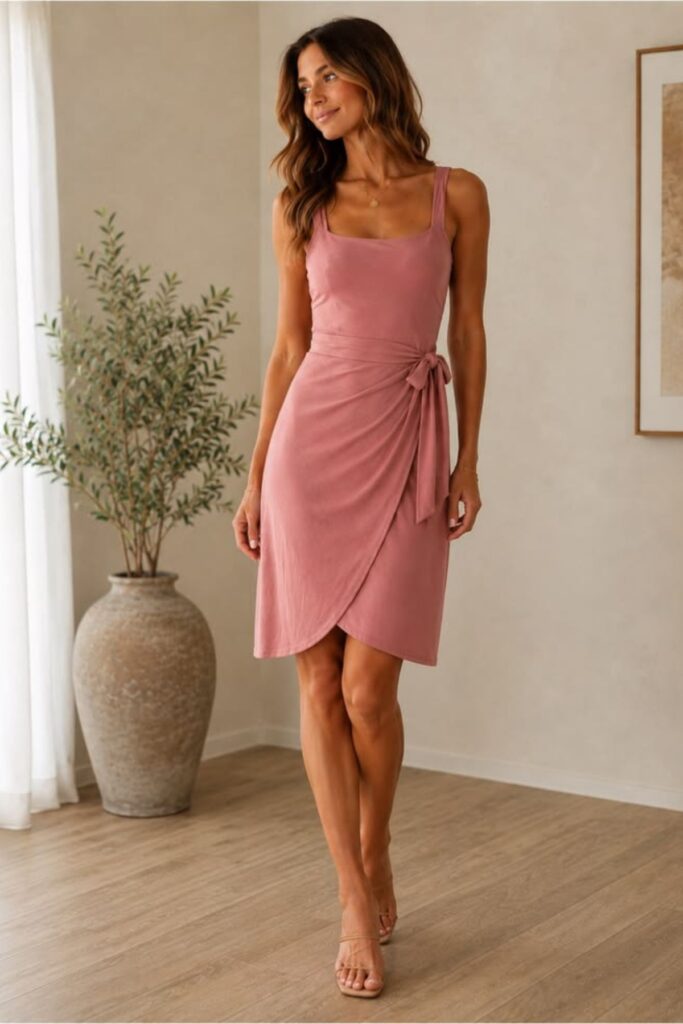
Fit can make an affordable outfit look polished almost instantly, which makes it one of the smartest places to spend your attention.
Petite clothing should sit in the right places, particularly around the shoulders, waist, sleeves, pant hems, and overall length, because oversized proportions can sometimes overwhelm a smaller frame.
You do not have to buy every item from a petite collection, either. A regular-size piece can work beautifully if the proportions already suit you or if a simple alteration fixes the length.
Shortening trousers, adjusting a sleeve, or taking in a waist can completely change how an inexpensive garment looks on you.
Pay close attention to where jackets end, where shirt hems fall, and how much fabric gathers around your ankles.
These details may seem minor while you are standing in a dressing room, but they can make a major difference once you put the entire outfit together.
If you want petite fashion that looks designer, prioritize fit before chasing trends, because a perfectly proportioned $40 outfit can easily look more refined than a poorly fitting $400 one.
For More Information Read: The Secret to Better Outfit Proportions
Build Outfits Around Neutral Colors
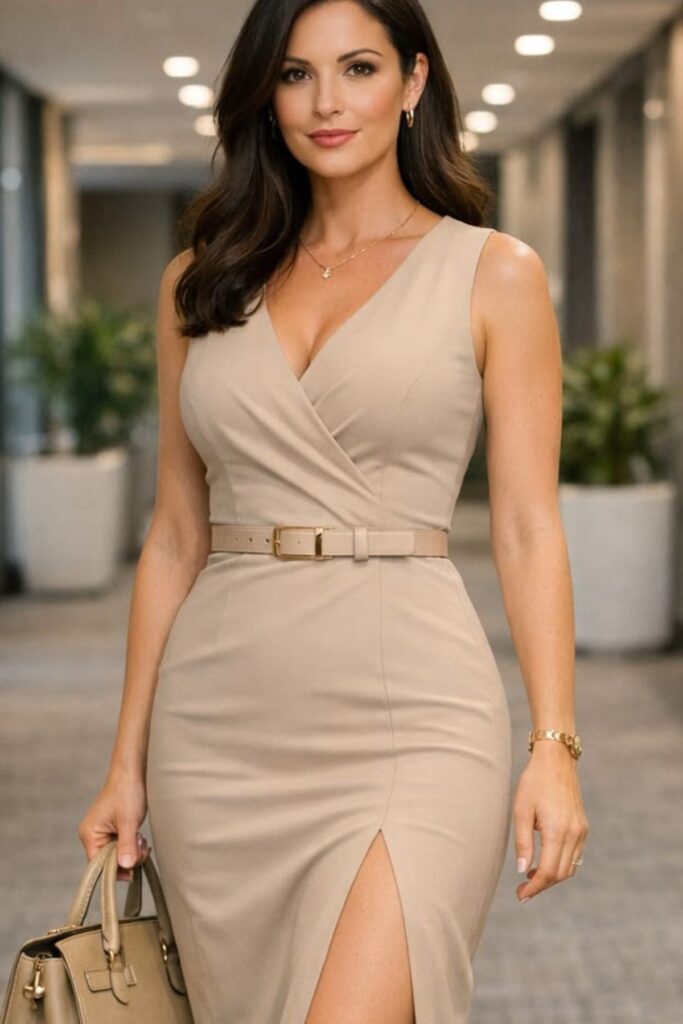
Neutral colors can give your wardrobe that polished appearance associated with expensive fashion because they create an easy sense of coordination.
Black, cream, ivory, navy, camel, gray, chocolate brown, and soft beige can work together in countless combinations, which means you can create several outfits without buying a mountain of clothing.
Try building an outfit around two or three related shades rather than mixing every color in your closet at once.
For example, cream trousers with a camel sweater and brown loafers can create a sophisticated combination, while black pants, a white blouse, and a structured black bag can deliver a classic look that works for dinner, work, or a casual event.
Monochromatic outfits can also work especially well for petite figures because a continuous color story can create a clean visual line.
You can add interest through different fabrics, subtle patterns, jewelry, or shoes without making the outfit feel busy.
When you want petite fashion that looks designer, think of neutral dressing as your blank canvas.
Once you have that foundation, you can add a colorful handbag, patterned scarf, or statement earrings when you want your outfit to have a little more personality.
See Also: 7 Petite-Friendly Designer Lookalikes That Were Made With Short Frames in Mind
Choose Structured Pieces That Hold Their Shape
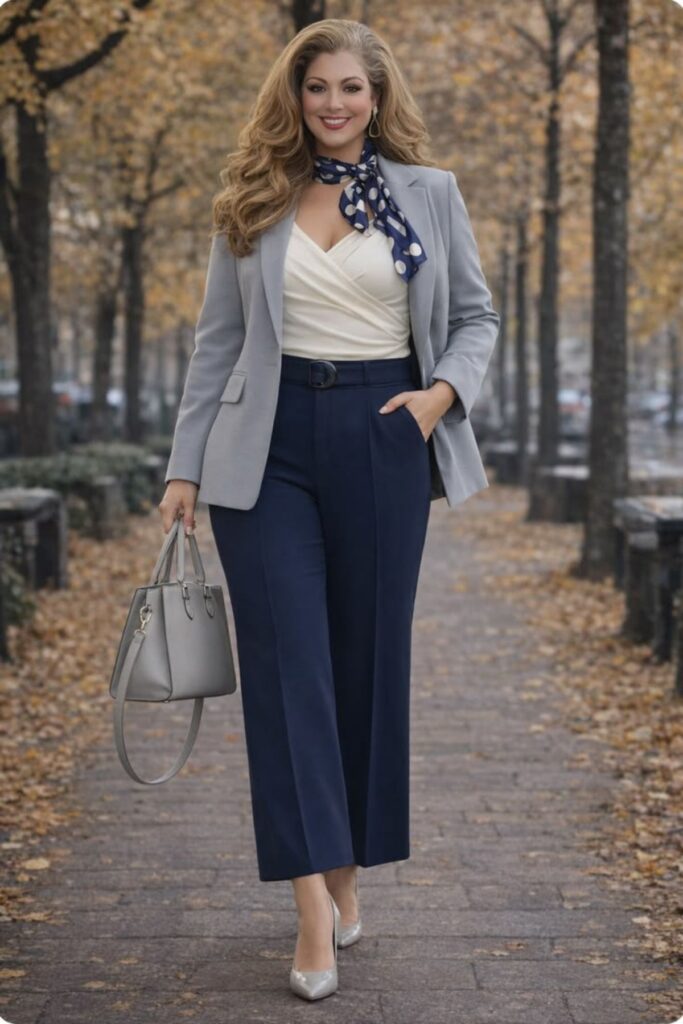
Structured clothing can instantly make an outfit feel more polished, even when you find the piece at an affordable retailer.
Look for blazers with defined shoulders, trousers that maintain their shape, handbags with a firm silhouette, and coats that hang neatly rather than collapsing around your body.
You do not need to wear a blazer and dress shoes every day to achieve this effect.
A structured cropped jacket with straight-leg jeans can look just as put together as a traditional office outfit, especially when you add simple jewelry and polished shoes.
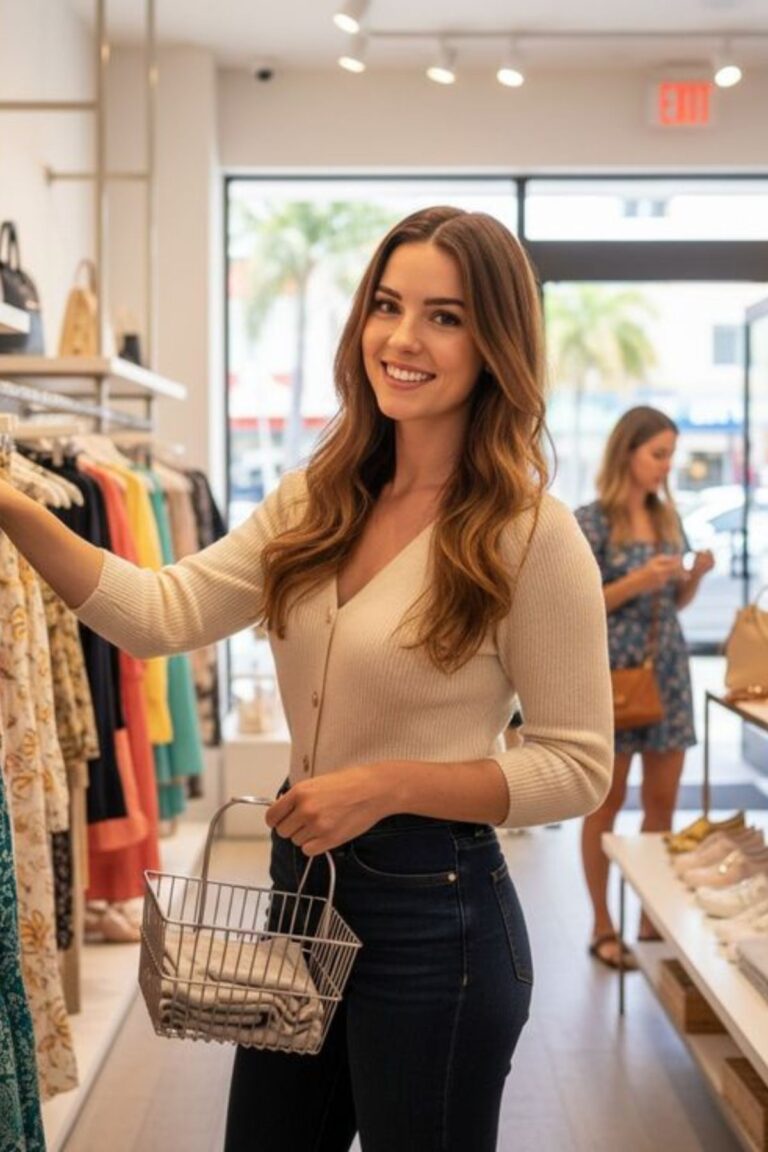
A fitted cardigan with tailored trousers can also create a refined appearance without making you feel overdressed.
For petite shoppers, proportion matters again, so avoid jackets that extend too far below your hips unless you specifically love the look.
Cropped or shorter jackets can help maintain balance, particularly when you pair them with high-rise trousers or skirts.
The same principle applies to handbags. A smaller, structured bag can often complement a petite frame better than an oversized tote that takes over the entire outfit.
These little choices can help you create petite fashion that looks designer while keeping your everyday wardrobe practical.
See Also: 39 Old Money Style Guide for Petite Women
Choose Fabrics That Look Polished
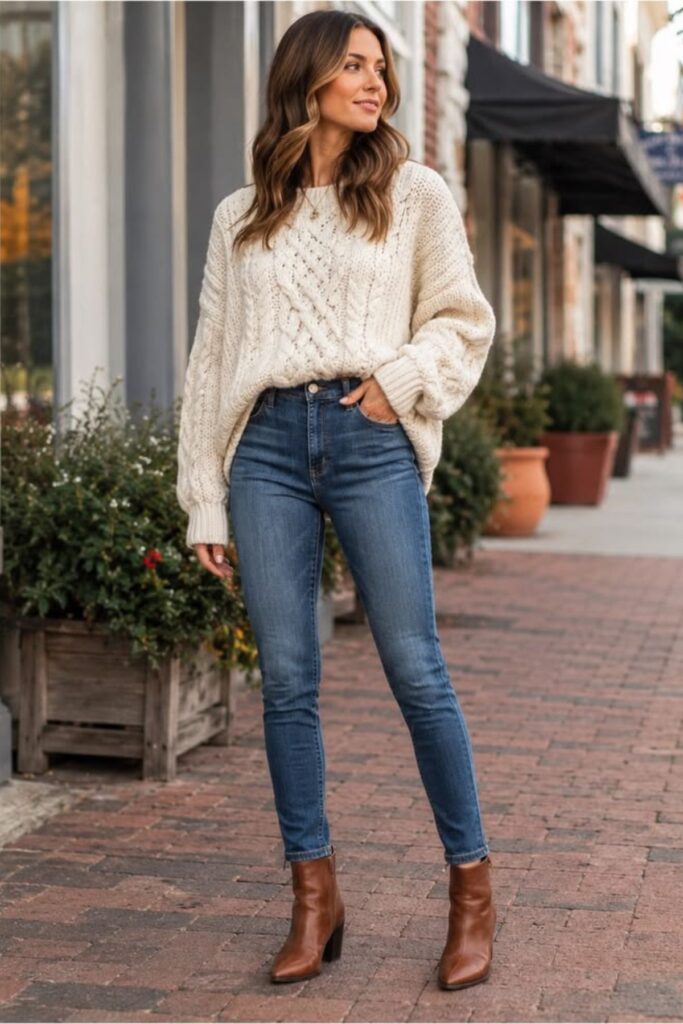
The fabric of a garment can make a surprising difference in how expensive an outfit appears, so pay attention to how a piece looks and feels before you check the price.
You do not need luxury cashmere or Italian silk to create an elevated wardrobe, because affordable cotton, linen blends, viscose, ponte, crepe, and well-made polyester can all look polished when the garment has a clean finish and holds its shape.
When you shop, look closely at the stitching, seams, buttons, zippers, and hems, because these small details can reveal how well a garment was made.
A simple blouse with neat stitching and a smooth finish will usually look more refined than a heavily decorated top made from thin, shiny material.
You should also check how the fabric behaves under normal movement, since excessive wrinkling, pulling, or clinging can make an outfit look less polished.
For petite fashion that looks designer, simplicity often works in your favor.
A beautiful fabric in a straightforward silhouette can create a sophisticated outfit without requiring flashy details, logos, or elaborate embellishments.
Before you put a piece back because it looks too simple, try imagining it with your favorite trousers, jewelry, and shoes, because that quiet little garment may become the hardest-working piece in your closet.
Next Post: 37 Quiet Luxury Outfit Ideas for Petite Women
Make Alterations Your Secret Weapon
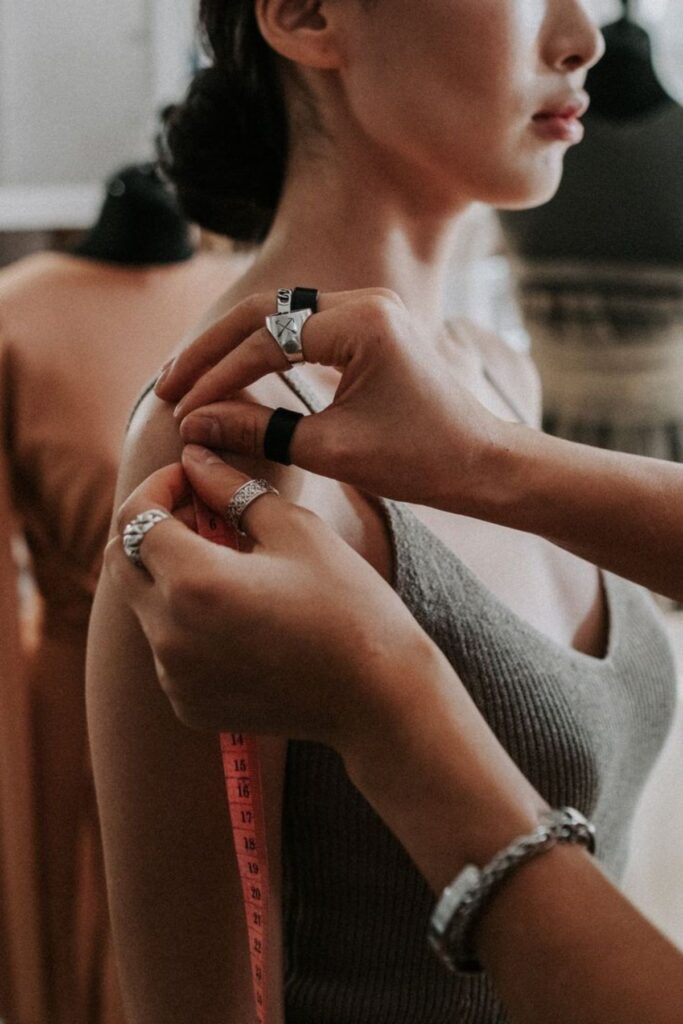
Affordable clothing does not always arrive with perfect proportions, especially if you have a petite frame, but that does not mean you have to reject a great piece immediately.
Sometimes the difference between an ordinary-looking outfit and a polished one comes down to a small alteration, such as shortening a hem, adjusting a sleeve, or taking in a waistband.
A good tailor can become one of your best wardrobe allies, although you should compare alteration costs before buying an inexpensive item that needs several adjustments.
If a $30 pair of pants requires $40 worth of work, you may find a different pair that already fits better.
However, spending a little on a favorite jacket or quality pair of trousers can make financial sense because you will probably wear the item repeatedly.
Pay particular attention to pant length because petite proportions can make excess fabric gather around your shoes.
The same applies to sleeves, as cuffs that extend too far can make an otherwise lovely blazer or coat appear oversized.
A clean hem can give your outfit a sharper appearance without changing the garment itself.
Next Post: The Ultimate Petite Capsule Wardrobe
Look For Elevated Basics
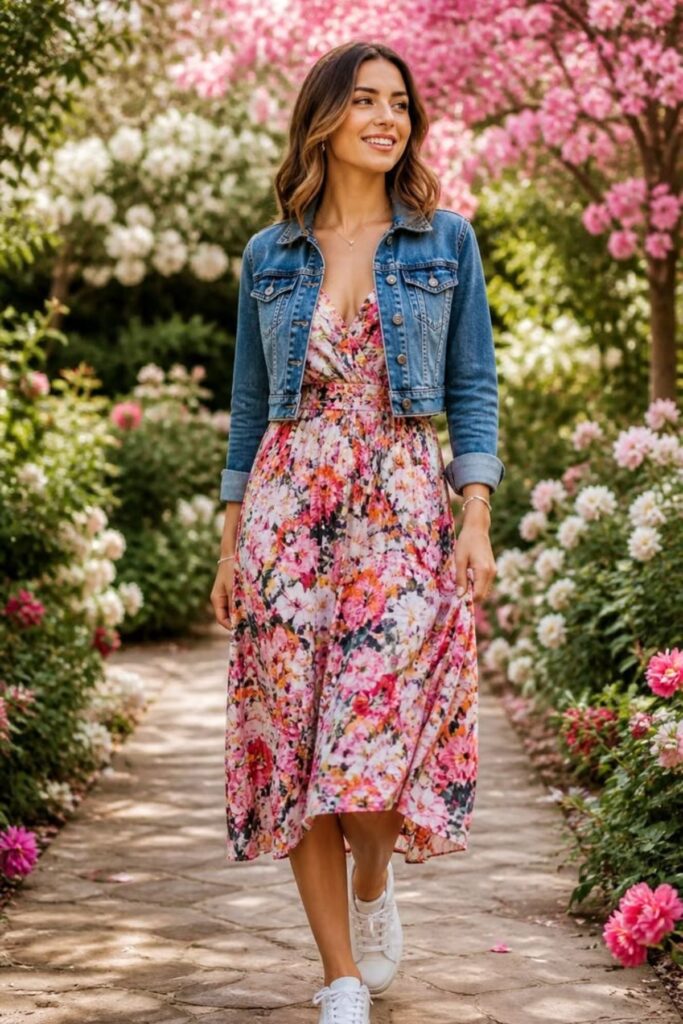
A polished wardrobe does not need dozens of statement pieces, because a small collection of reliable basics can give you far more outfit options.
Think straight-leg trousers, fitted knit tops, crisp button-down shirts, simple skirts, dark denim, cardigans, lightweight sweaters, and clean-lined jackets that can move easily between different occasions.
The trick involves choosing basics with details that make them look intentional.
A white shirt with an interesting collar, trousers with a flattering high waist, or a sweater with a neat neckline can look considerably more sophisticated than a similar item covered in unnecessary decorations.
You can then change the mood of the outfit with shoes, jewelry, belts, or a handbag.
Petite shoppers can also benefit from choosing basics in lengths that work with their proportions.
High-rise pants can create a longer visual line, while cropped jackets can keep your outfit balanced.
A fitted top tucked into a high-waisted skirt can create a clean silhouette without requiring complicated styling.
If you are building your wardrobe on a budget, start with the pieces you know you will wear repeatedly rather than buying something simply because it looks impressive on a mannequin.
The goal is to create petite fashion that looks designer while still making sense for your actual life, because a beautiful outfit sitting untouched in your closet is not doing you any favors.
Discover: How to Build a Closet You’ll Actually Wear
Use Accessories To Elevate Affordable Outfits
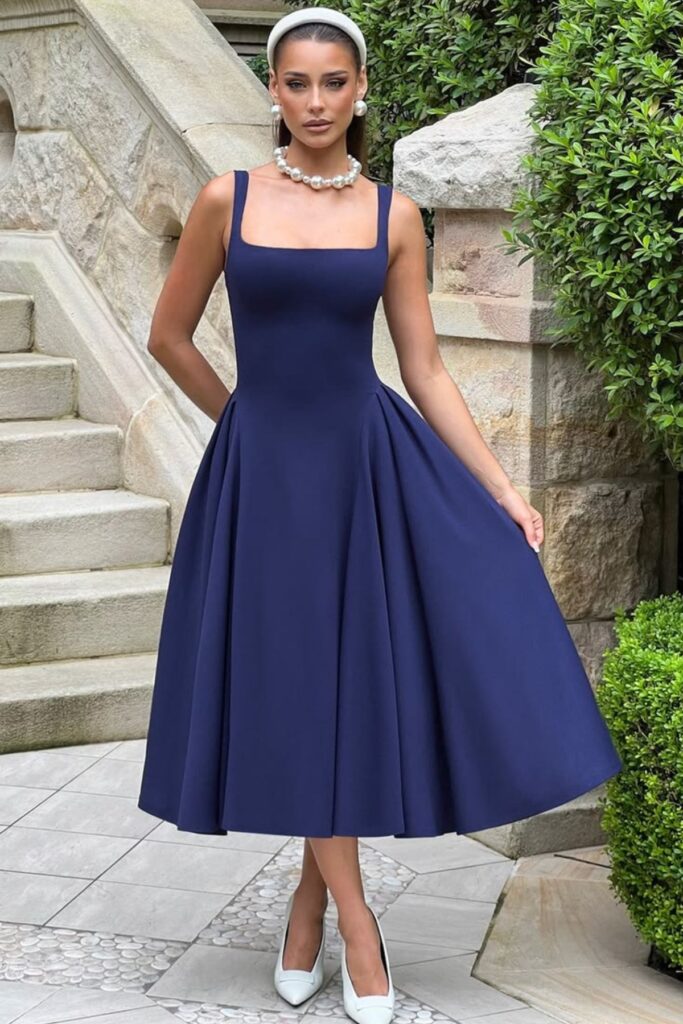
Accessories can completely change the personality of an outfit, and you do not need a designer handbag to create that polished effect.
A simple belt, elegant watch, small hoop earrings, silk-style scarf, structured handbag, or pair of classic sunglasses can give basic clothing a more finished appearance.
The key is to avoid piling everything on at once.
If your outfit already has an interesting neckline or bold print, a simple necklace and understated earrings may work better than several large accessories competing for attention.
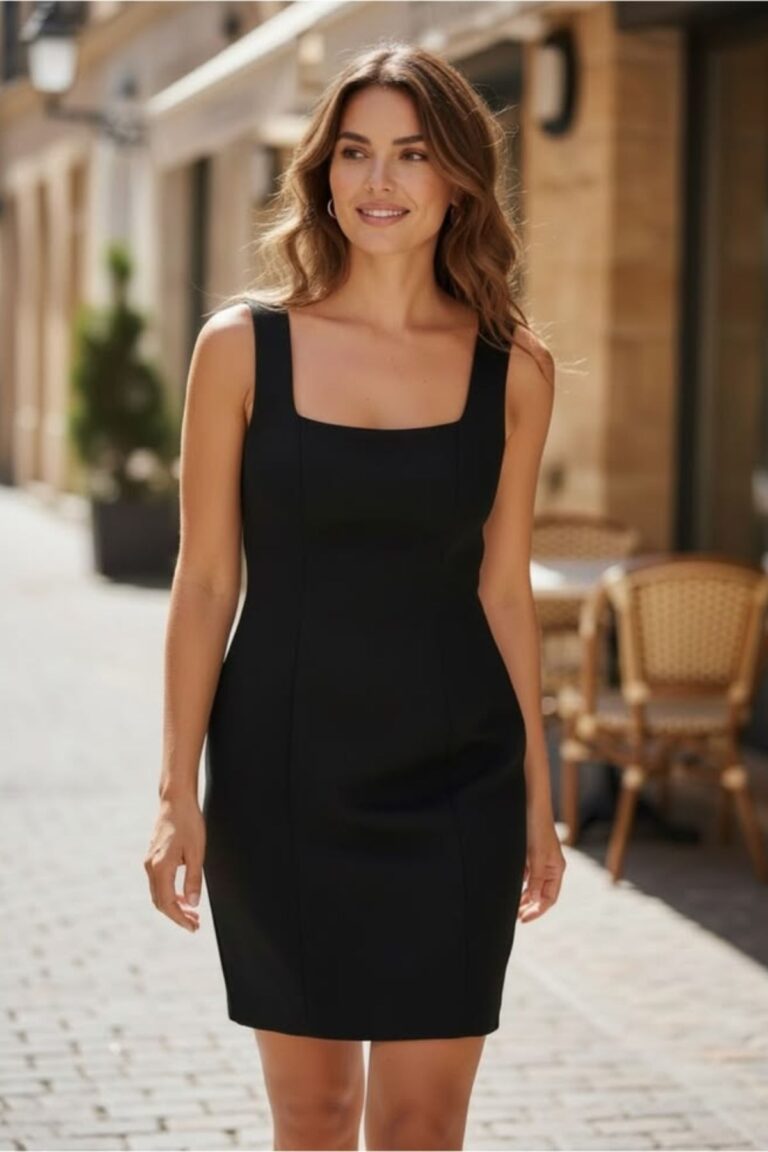
On the other hand, a basic black dress can become much more interesting when you add a structured bag, refined shoes, and a pair of earrings that catch the light.
Petite frames can benefit from accessories that complement rather than overpower the outfit.
A smaller handbag or delicate jewelry may create better balance than extremely oversized pieces, although your personal style should always have the final say.
You can also use accessories to repeat colors throughout an outfit.
For example, brown loafers paired with a brown belt and a small brown handbag can make a simple cream-and-navy outfit feel thoughtfully put together.
These details help affordable pieces work together, which is one of the easiest ways to create petite fashion that looks designer without spending designer money.
Check Out: 30 Pieces That Can Create 100 Petite Outfits
Shop For Timeless Silhouettes Instead Of Fast Trends
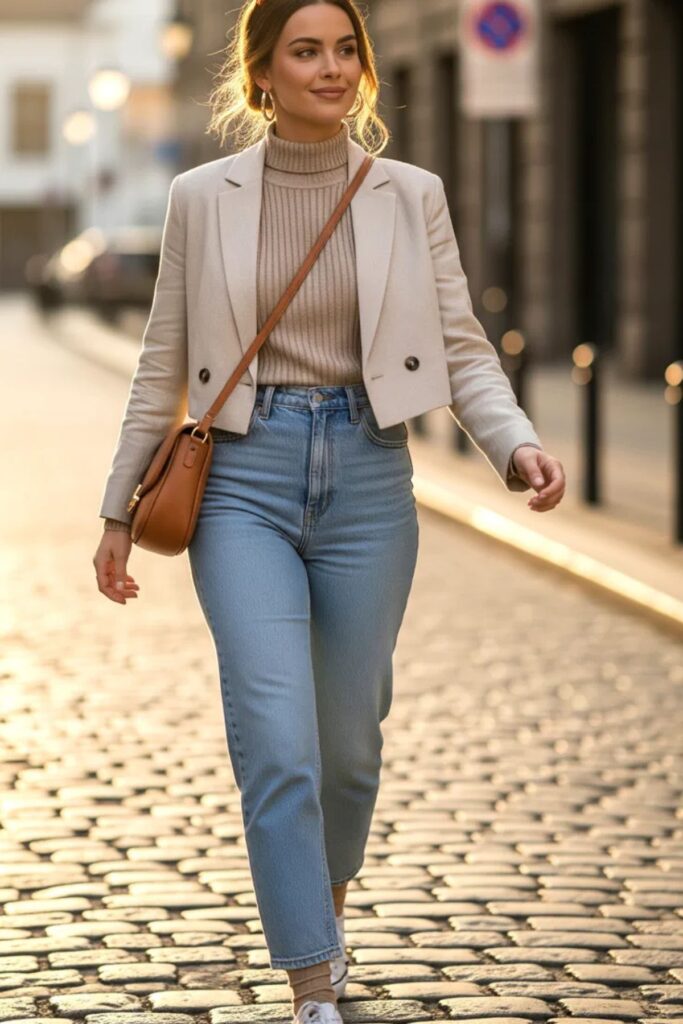
Trends can be fun, but building your entire wardrobe around them can become expensive very quickly, especially when a style disappears before you have worn it enough to justify the purchase.
Timeless silhouettes give you more freedom because you can update your outfits with small details while keeping your main pieces in rotation.
Straight-leg jeans, ankle-length trousers, simple midi skirts, fitted knit dresses, button-down shirts, and clean-cut blazers can work across different seasons when you style them creatively.
You can add a current shoe, handbag, scarf, or jewelry trend without replacing your entire wardrobe whenever fashion changes.
This strategy can also help you become a smarter shopper because you will have a clearer idea of what deserves your money.
Before buying something, ask yourself if you can imagine wearing it with at least three pieces you already own.
If the answer is no, give yourself a moment before reaching for your wallet, because a bargain is not really a bargain if it spends most of its life hanging untouched in your closet.
For petite fashion that looks designer, focus on silhouettes that create a clean, balanced appearance and then use smaller trend-driven additions to keep your outfits feeling current.
Your wardrobe will feel fresher, your spending will stay under control, and getting dressed will become considerably easier.
Read Next: How to Wear Midi Dresses If You’re Petite
Pick Shoes That Give Your Outfit A Finished Look
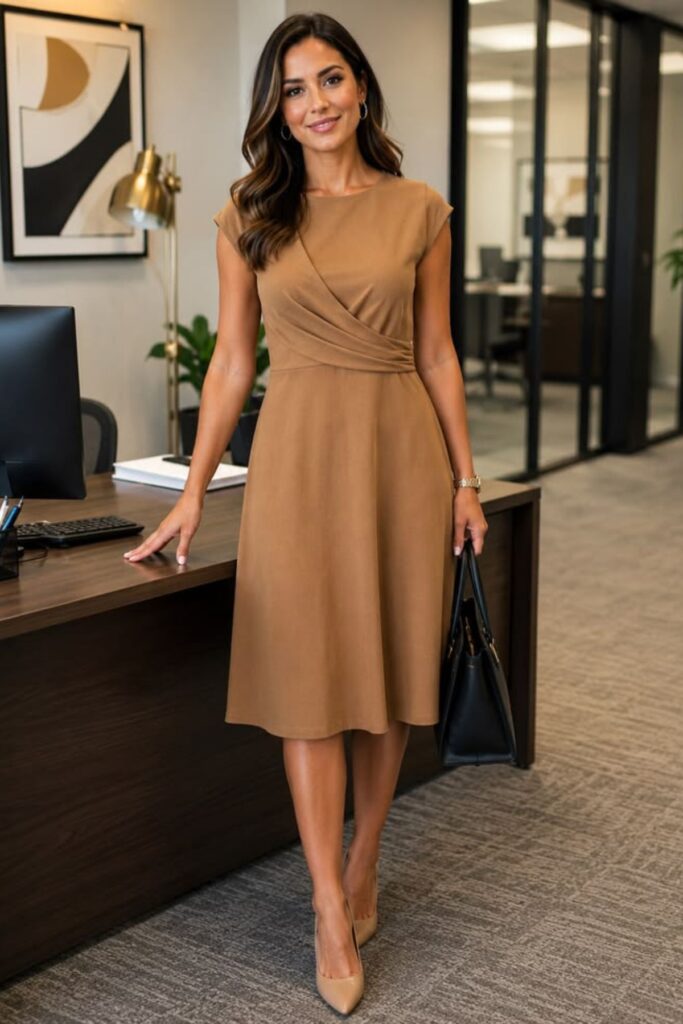
Shoes can quietly make or break an outfit, so you should treat them as part of the overall styling rather than an afterthought.
You do not need a closet packed with expensive footwear, because a few clean, well-maintained pairs can work with a surprisingly large number of outfits.
Loafers, pointed-toe flats, sleek sneakers, ankle boots, and simple pumps can all help create a polished appearance.
For petite outfits, pay attention to the shape and visual weight of your shoes.
A shoe that feels extremely bulky can sometimes compete with the rest of your outfit, while a streamlined style can create a cleaner appearance.
That does not mean you need to avoid chunky shoes entirely, because personal style matters, but consider how the shoe works with your pants, skirt, or dress before deciding.
Color also gives you another easy styling tool.
Shoes that closely coordinate with your pants can create a continuous visual line, while nude or skin-toned shoes can work well with certain dresses and skirts.
You can also use black, brown, or cream shoes as reliable anchors for neutral outfits.
When creating petite fashion that looks designer, clean shoes with minimal visible wear can have a surprisingly strong effect.
Keep your favorite pairs clean, replace worn-out insoles when appropriate, and give scuffed footwear attention before heading out, because polished styling starts with the details.
See Also: 27 Best Work Dresses for Petite Women
Find The Right Petite-Friendly Denim
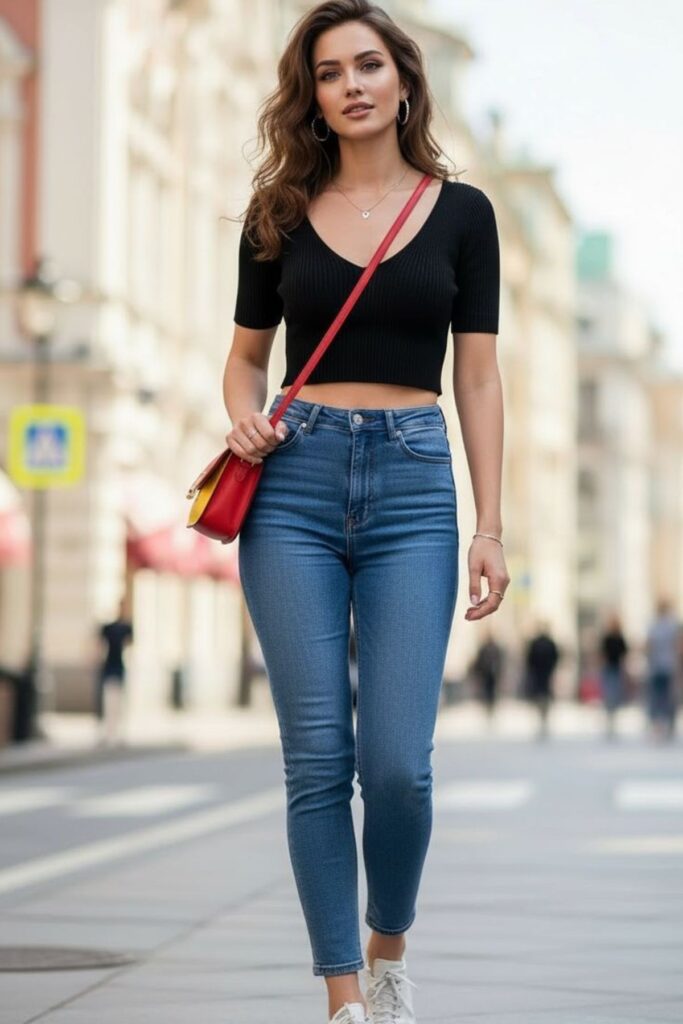
Jeans can be tricky for petite shoppers because the wrong rise, inseam, or leg shape can change the proportions of an entire outfit.
Fortunately, you do not need to abandon denim, because the right pair can become one of the most useful pieces in your closet.
Start by considering the rise. High-rise jeans can work well with tucked-in tops and shorter jackets because they visually position the waist higher.
Straight-leg and slim-straight styles can also create a clean line without adding excessive fabric around your legs, while cropped denim can work nicely with flats, sneakers, or ankle boots.
Pay attention to the hem as well, because excess fabric bunching around your shoes can make a pair of jeans look less polished.
Petite-length denim can save you an alteration trip, although regular jeans can also work if the inseam already suits you or a simple hem fixes the problem.
Dark or medium washes can give you plenty of styling options, particularly if you want your jeans to work for casual dinners, weekend errands, and relaxed office settings.
Pair them with a fitted sweater, structured blazer, and loafers when you want a polished outfit that does not feel overly formal.
The result can easily fit the idea of petite fashion that looks designer because you are using proportion, color, and styling rather than relying on a recognizable label.
Related Post: Mom Jeans Styling Guide
Choose Dresses With Clean Lines
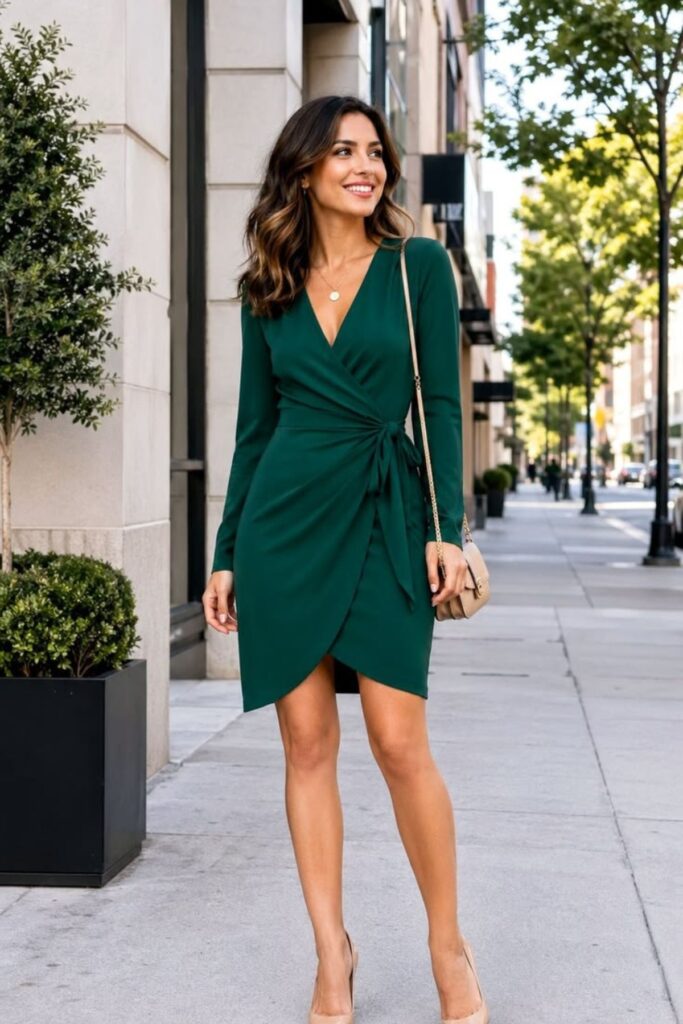
A well-chosen dress can save you plenty of time because it creates the foundation of an entire outfit in one piece.
For petite shoppers, look for dresses with proportions that allow your natural shape to remain visible without overwhelming your frame with excessive fabric, extremely long hems, or unnecessary layers.
Wrap dresses, fitted knit dresses, A-line dresses, and simple shirt dresses can all offer useful options, depending on your personal style and the occasion.
Pay attention to where the waist falls because a waistline that sits too low can sometimes make your proportions appear shorter, while a well-placed waist can create a more balanced appearance.
You should also consider the hemline before buying.
A dress that lands at an awkward point can change the overall look, so try moving around in the garment rather than judging it only while standing still in front of a mirror.
Sit down, walk a few steps, and check how the fabric behaves because real life rarely involves standing perfectly still under flattering dressing-room lights.
For an affordable designer-inspired appearance, choose dresses with simple shapes and refined details, then let your accessories add personality.
A structured handbag, neat shoes, and understated jewelry can turn an inexpensive dress into an outfit that feels polished and intentional.
Read Also: 25 Most Flattering Dresses for Petite Women
Make Outerwear Work For Your Frame
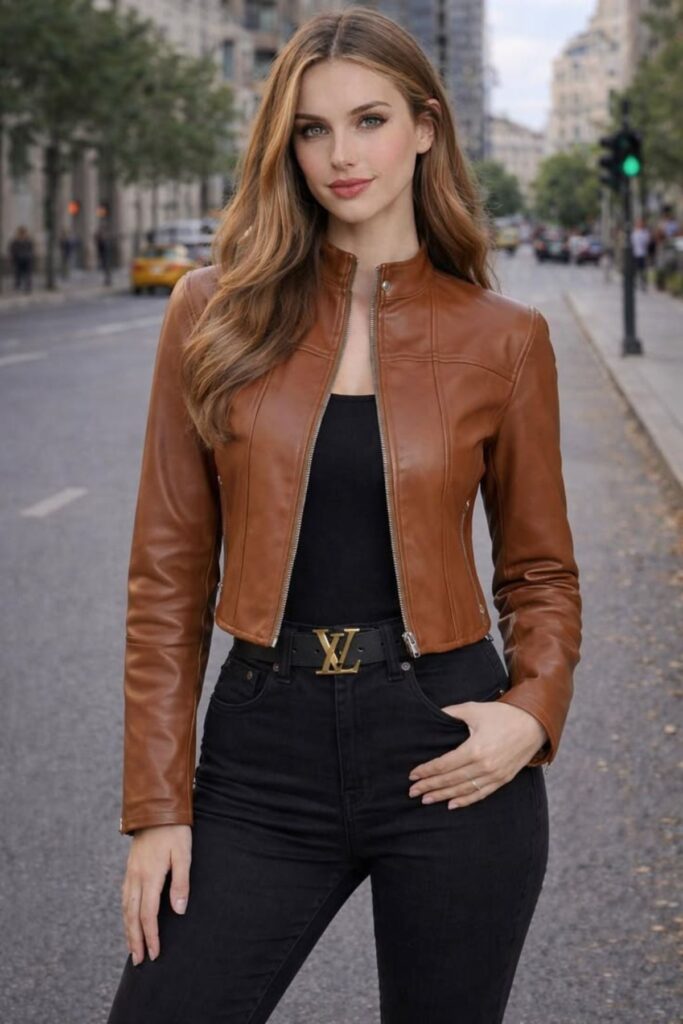
A coat or jacket can become the first thing people notice about an outfit, which makes proportion especially important for petite shoppers.
You want outerwear that gives your outfit structure without swallowing the rest of your look, particularly when you plan to wear it frequently.
Shorter jackets can work beautifully with high-rise pants, skirts, and dresses because they help define the waist area.
A cropped denim jacket can create a casual look, while a shorter wool-style coat can feel polished enough for work or dinner.
If you prefer longer coats, look for clean lines and a shape that does not have excessive fabric around the shoulders and sleeves.
Color can also help your outerwear blend naturally with the rest of your wardrobe.
A camel coat, black jacket, navy blazer, or cream cardigan can work with many existing pieces, so you will not need to buy a new coat every time you want a different outfit.
Pay attention to buttons, zippers, collars, and pocket placement because these details affect how expensive a jacket appears.
You can find affordable outerwear that looks sophisticated when the design remains clean and the fabric holds its shape.
If your goal is petite fashion that looks designer, a well-proportioned coat can give even a simple jeans-and-sweater outfit a polished finish, which makes it one of the smarter pieces to prioritize when shopping on a budget.
2 Comments