How To Find Jeans That Fit Without Tailoring
Finding jeans that fit without tailoring can save you time, money, and the frustration of repeated alterations. You can find a great pair when you understand your measurements, preferred rise, inseam, and denim fabric. A few smart shopping habits can help you avoid jeans that fit one area while failing everywhere else.
You do not need a perfect body shape to find denim that sits comfortably and looks polished.
You simply need to know what measurements matter and how different jean cuts affect your fit.
This guide shows you how to find jeans that fit without tailoring, from measuring yourself to choosing the right pair.
How To Find Jeans That Fit Without Tailoring
Measure Your Waist Before Shopping
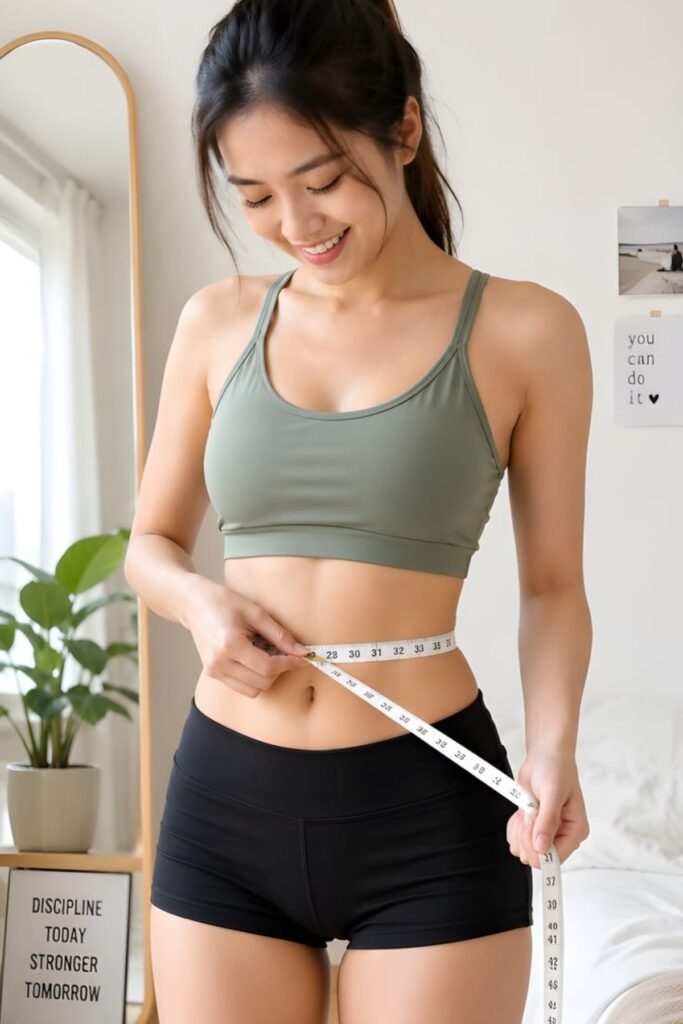
Your waist measurement gives you a useful starting point when you shop for jeans online or in stores.
However, you should measure the area where your chosen jeans will actually sit.
High-rise jeans usually need a different measurement than low-rise styles because the waistband sits higher or lower.
Use a soft measuring tape and keep it comfortably against your body without pulling it tightly.
Write down the number, then compare it with the brand’s size chart before choosing a size. Do not rely on your usual size because denim sizing can vary considerably between brands.
You can also measure a pair of jeans you already love wearing. Lay the jeans flat, measure across the waistband, and double that number for an approximate waist measurement.
This method gives you a useful comparison when a retailer provides garment measurements. Taking your measurements might feel like extra work, but it can prevent several disappointing purchases.
Once you know your numbers, finding jeans that fit without tailoring becomes much less of a guessing game.
Measure Your Hips At The Widest Point
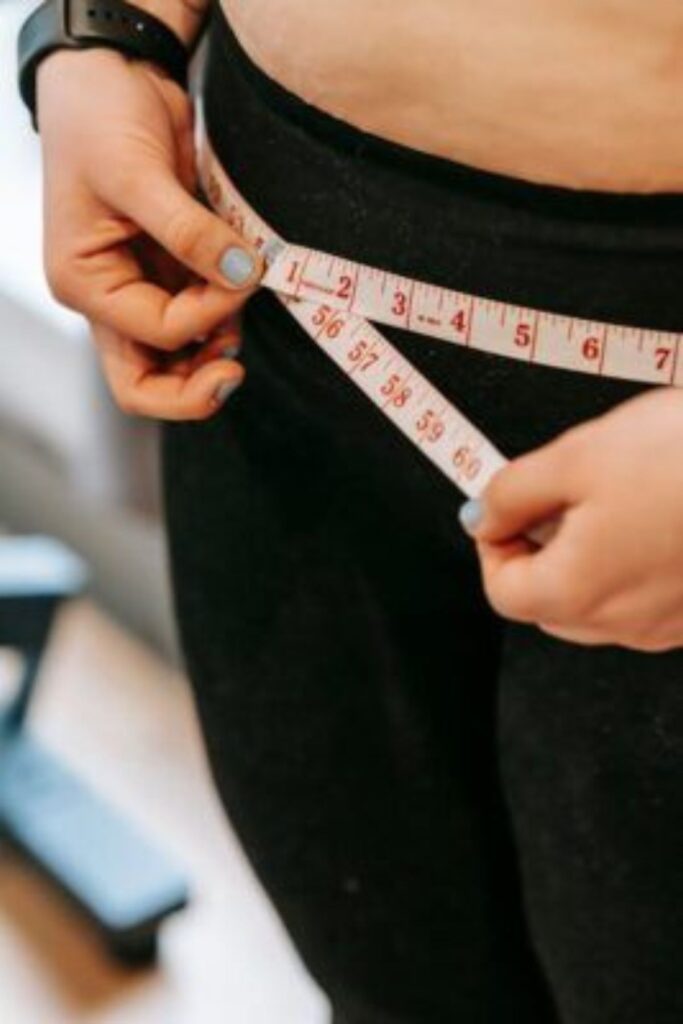
Your hip measurement matters because jeans need enough room through the fullest part of your lower body.
A waistband can fit perfectly while the hips feel tight, which usually means the jeans need a different cut.
Stand naturally while measuring around the widest part of your hips and seat.
Keep the tape level around your body, then record the measurement without pulling the tape too tightly. Compare this number with the retailer’s hip measurement before choosing your size.
If your waist and hip measurements fall into different sizes, look for jeans with stretch or a curvier cut.
You can also check reviews for comments about the hip area, especially when shopping online. Several shoppers mentioning tight hips can give you useful information before you place an order.
Remember that denim should allow you to sit, walk, and move comfortably throughout your day. A pair that looks perfect while standing may become uncomfortable once you sit down for lunch.
Getting the hip measurement right can therefore save you from choosing jeans that need alterations later.
Check Your Inseam Before Ordering

The inseam measures the distance from the crotch seam to the bottom of the leg. This measurement becomes especially important if you want jeans that fit without tailoring.
Standard-length jeans often leave extra fabric around the ankles, particularly on shorter frames. Petite, short, and ankle-length options can help you find a better match without cutting the hem.
Measure the inseam of your favorite jeans by laying them flat on a table. Start at the crotch seam and measure straight down the inside leg to the hem.
Your ideal inseam also depends on the shoe you plan to wear. Full-length jeans may need more length with heels, while cropped jeans can work better with flats.
Check the retailer’s product page carefully because the listed inseam can vary between sizes.
Some brands also offer different lengths within the same style, which gives you more room to find a close match.
If you repeatedly buy jeans that need hemming, your inseam measurement could solve the problem. Knowing this number can make online denim shopping considerably easier.
Choose The Right Rise For Your Body
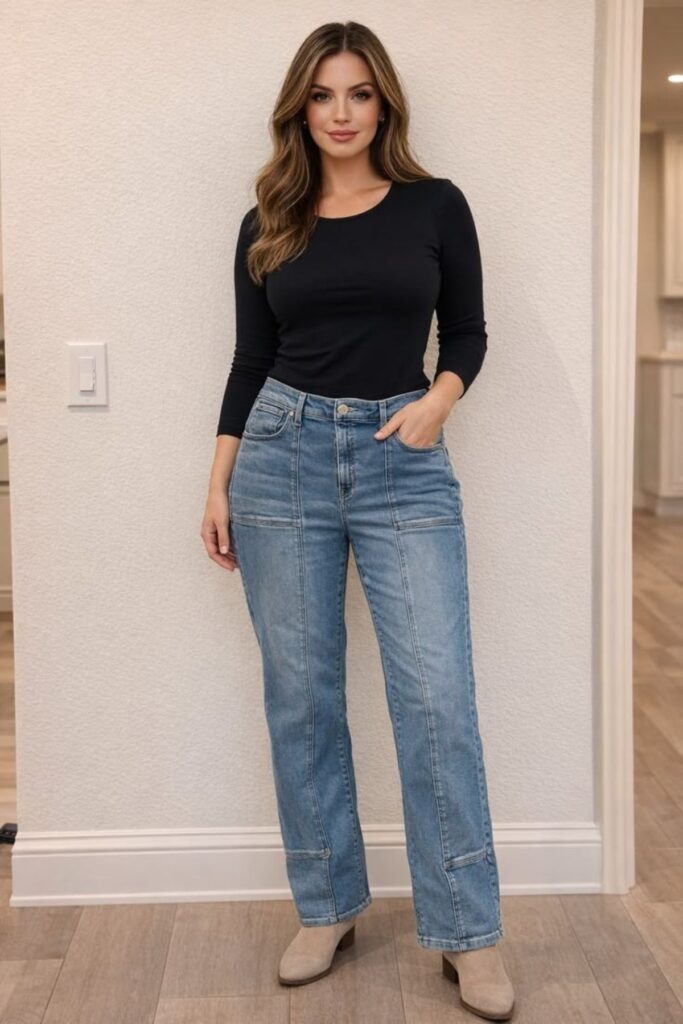
The rise measures the distance between the crotch seam and the top of the waistband. It affects where your jeans sit and how comfortable they feel throughout the day.
High-rise jeans sit higher on your torso, while mid-rise styles provide a lower waistband position. Low-rise jeans sit closer to your hips, which creates a very different fit and appearance.
Your preferred rise should depend on comfort and your natural proportions rather than fashion alone. A high rise may feel secure, while another person may prefer the freedom of a mid-rise waistband.
You should also consider the tops you wear most often. Tucked-in shirts often pair easily with high-rise jeans, while longer tops can work nicely with lower rises.
Pay attention to the front rise and back rise when brands provide both measurements. These details can help you understand how the jeans may sit across your torso.
Choosing the right rise can make a dramatic difference in comfort. It can also help you find jeans that fit without tailoring because the waistband sits where you expect.
Understand How Denim Stretch Affects Fit

The fabric composition can tell you a lot about how jeans will feel after you put them on. Stretch denim often contains elastane or another fiber that gives the fabric additional flexibility.
A small amount of stretch can help jeans accommodate your waist, hips, and thighs more comfortably.
However, too much stretch can make some jeans feel less structured after repeated wear.
Rigid denim contains little or no stretch, so you should pay closer attention to measurements before ordering.
These jeans may feel firm initially, although some fabrics soften as you wear them.
If you sit for long periods during your day, consider how the fabric feels around your waist and thighs.
Comfort matters because jeans that look good but feel restrictive will probably spend most of their time in your closet.
Understanding stretch helps you choose jeans that fit without tailoring while still feeling comfortable during everyday activities.
Read Also: Jeans Mistakes That Make Petite Women Look Shorter
Check The Waistband For Gaping

A waistband that fits your waist should sit securely without digging into your skin or leaving a large gap.
Back-waist gaping often happens when jeans fit your hips but leave extra space around your waist.
Curvy cuts can help because they usually provide additional room through the hips with a closer waistband.
Some styles also include stretch that allows the fabric to follow your shape without requiring alterations.
Try sitting down before deciding that a pair fits properly, especially when shopping inside a store.
The waistband should remain comfortable without pressing painfully into your stomach or sliding several inches downward.
Finding a waistband that sits correctly is one of the easiest ways to get jeans that fit without tailoring.
Once the waist and hips work together, the rest of the fit usually becomes much easier to manage.
See Also: Mom Jeans Styling Guide
Pay Attention To The Thigh And Seat Fit

Jeans should give your thighs enough room for normal movement without creating excessive fabric around your legs. The seat should also feel comfortable when you walk, sit, bend, and climb stairs.
If you notice strong pulling across the hips, the jeans may be too small or poorly suited to your proportions. If the fabric bunches heavily around your thighs, you may need a slimmer cut.
Straight-leg and relaxed styles usually provide more room through the legs than very fitted designs.
Slim and skinny jeans can still work well when the fabric has enough stretch for comfortable movement.
Look at the side seams when trying jeans on because they should fall relatively straight down your legs. Twisting seams can indicate that the cut does not suit your body or that the jeans fit incorrectly.
You should also check the pockets because excessive pulling can make the jeans feel tighter than expected.
A comfortable seat and thigh area can save you from buying jeans that need alterations later.
Pick Jeans Based On Your Preferred Silhouette

The cut of your jeans affects the entire appearance of your outfit, so start with the silhouette you actually enjoy wearing.
Straight-leg jeans offer a balanced shape, while skinny styles create a closer fit through the legs.
Wide-leg jeans provide additional room and create a relaxed appearance that works well with fitted tops.
Bootcut jeans flare slightly below the knee and can pair particularly well with boots or low heels. Your preferred silhouette should also match your everyday wardrobe.
Buying a trendy cut that does not work with your existing tops and shoes can leave you with another closet orphan.
Think about your most-worn outfits before choosing a new pair. If you live in sneakers and fitted tees, straight-leg jeans may give you more outfit options.
If you usually wear ankle boots and tucked-in blouses, bootcut or high-rise styles may work better.
Choosing the right silhouette can help you find jeans that fit without tailoring while keeping your outfits practical.
Compare Jeans With A Pair You Already Own

One of the easiest shopping tricks involves using your favorite jeans as a measuring guide. You already know how they fit, so they provide useful information when you compare new options.
Lay your favorite jeans flat and measure the waistband, rise, inseam, thigh, and leg opening. Write down those numbers so you can compare them with measurements listed by online retailers.
This method can work particularly well when you shop from unfamiliar brands. Instead of guessing based on size labels, you can compare actual garment measurements.
Pay attention to differences in fabric because two pairs with similar measurements can feel completely different.
Stretch denim may feel more forgiving, while rigid denim usually requires a closer measurement match.
You can also photograph the measurements on your phone for quick reference while shopping. That little trick can save you from opening the same size chart five times.
Comparing new jeans with a trusted pair gives you a practical reference point. It can make finding jeans that fit without tailoring feel much less like a roll of the dice.
Check Out: Luxury Petite Brands Worth The Investment
Look For Brands With Multiple Inseam Options

Brands that offer several inseam lengths can make shopping much easier when standard jeans rarely fit your height.
You can choose a length that works for your proportions without immediately reaching for scissors. Look for petite, short, ankle, regular, and long options when browsing a retailer’s denim collection.
Some brands offer multiple inseams within the same style, although availability can vary by size and wash.
Check the product page carefully because the available lengths may appear in a separate dropdown menu.
Do not assume every wash or size includes every inseam because retailers often stock them differently.
You can also search specifically for petite or short denim if regular jeans consistently leave excess fabric around your ankles.
That approach can narrow your choices before you start comparing washes and leg shapes.
If you need additional petite denim ideas, you can also explore our guide to the best petite jeans you can buy online.
Choosing a brand with useful length options gives you a better chance of finding jeans that fit without tailoring. It also saves you the hassle of paying for alterations after every denim purchase.
Shop For Jeans Based On Your Actual Measurements

Your usual jean size can provide a starting point, but your measurements give you better information.
Brands often use different sizing systems, so the same size can fit differently across retailers.
Measure your waist, hips, and inseam before you begin shopping. Keep those numbers somewhere accessible so you can compare them with each product’s size chart.
If your measurements fall between two sizes, examine the fabric before making your decision. Stretch denim may give you enough flexibility to choose the smaller size comfortably.
Rigid denim usually requires a closer match because it offers less room for movement.
You should also check the garment measurements if the retailer provides them. These numbers can help you compare the jeans with a pair you already own and love.
Avoid ordering several sizes simply because you feel unsure about the fit.
Instead, use the available measurements and customer reviews to narrow your choice before purchasing.
This simple habit can save money, reduce returns, and make online shopping less frustrating.
Next Post: The Best Petite Clothing on Amazon
Consider The Rise And Inseam Together

The rise and inseam work together to determine how your jeans sit and how your legs appear.
Choosing one measurement without considering the other can leave you with an awkward overall fit.
High-rise jeans may feel comfortable around your waist, but a very long inseam can create excess fabric below.
Shorter jeans can solve that issue, especially when the waistband already sits at your preferred height.
Mid-rise jeans can provide a different balance, particularly if high-rise styles feel too restrictive around your torso. You can then choose an inseam based on your shoes and preferred hem position.
Try to think about the complete outfit rather than viewing the measurements separately. Your jeans should work with the tops, shoes, and jackets you already wear regularly.
If you prefer cropped jeans, check exactly where the hem falls on your leg. An ankle-length style can look intentional, while an unexpectedly short hem can make the jeans appear incorrectly sized.
Understanding how rise and inseam interact can help you find jeans that fit without tailoring.
You will also have an easier time choosing between similar styles when you know which measurements suit you best.
Discover: Affordable Petite Fashion That Looks Designer
Read Customer Reviews Before Buying

Customer reviews can reveal practical information that product descriptions often leave out.
Shoppers frequently mention stretching, waistband fit, inseam accuracy, and sizing differences after wearing the jeans.
Look for repeated comments instead of relying on one dramatic review.
If several customers mention that the jeans run large, that pattern deserves your attention before ordering.
Pay particular attention to reviews from shoppers with similar height and proportions. Their experiences can give you a better idea of how the jeans may fit your body.
Reviews can also tell you how the denim changes after washing. Some jeans loosen with wear, while others maintain their original shape more closely.
Check comments about fabric weight and stretch if comfort matters to you. A pair described as rigid may feel very different from jeans described as soft and flexible.
You can also look for customer photos because they often show the actual fit more clearly than professional images. That extra visual information can help you decide if the cut matches your expectations.
A few minutes spent reading reviews can make it easier to find jeans that fit without tailoring. Think of reviews as advice from shoppers who already took the fitting-room test for you.
Learn: How to Build a Closet You’ll Actually Wear
Choose The Right Jean Cut For Your Measurements

Your measurements can help you narrow your options, but the jean cut determines how those measurements translate into fit.
Different cuts distribute fabric differently around your waist, hips, thighs, knees, and ankles.
Straight-leg jeans provide a consistent width through most of the leg, making them a dependable everyday option.
Bootcut jeans remain closer through the thigh before widening slightly below the knee.
Wide-leg jeans provide more room through the lower half, although the inseam needs careful attention.
Skinny jeans create a close fit, so stretch becomes especially useful if you want freedom of movement.
If your waist is smaller than your hips, look for curvy cuts with a closer waistband. If your thighs need additional room, relaxed or straight-leg styles may feel more comfortable.
You can also compare the leg opening with jeans you already own. That measurement can tell you whether the new pair will feel fitted, relaxed, or noticeably wider.
Choosing a cut that works with your measurements gives you a much better chance of finding jeans that fit without tailoring.
You can then focus on the wash, color, and styling details that make the pair feel like yours.
Read Also: The Only Wardrobe Basics Petite Women Need
Test Your Jeans Before Removing The Tags

If you shop in person, give yourself a few minutes to test the jeans properly. Standing in front of a mirror only tells you part of the story because denim needs to work while you move.
Sit down, walk around, bend your knees, and try reaching toward the floor. The waistband should remain comfortable, while the fabric should allow normal movement without excessive pulling.
Check the back of the jeans for gaping and the front for unwanted bunching. Look at the side seams too, because twisting can indicate an awkward fit.
Walk around in the shoes you plan to wear with the jeans if the store allows it. That can help you judge the hem length and decide if the inseam works for your wardrobe.
If you shop online, perform the same checks as soon as your package arrives. Keep the tags attached until you decide that the fit works for your everyday activities.
A proper fit test can prevent you from keeping jeans that look good but feel uncomfortable. That extra effort gives you a better chance of finding jeans that fit without tailoring.




One Comment