

The Hidden Reason Your Clothes Never Look Expensive
The hidden reason your clothes never look expensive may have little to do with the price tags hanging inside your closet. Even affordable clothing can look polished when the fit, fabric, color, and finishing details work together.
Meanwhile, an expensive outfit can fall flat when those small details are ignored. Most people focus on buying better clothes when their outfits need better styling, care, or proportions. That realization can save you money because looking polished does not require replacing everything you own.
Once you understand The Hidden Reason Your Clothes Never Look Expensive, your closet may suddenly make much more sense.
You May Also Read: Classic Trends That Never Go Out of Style
The Hidden Reason Your Clothes Never Look Expensive
Your Clothes Do Not Fit As Well As You Think

Fit is often the first reason an outfit looks less polished, even when the clothing itself is attractive.
A garment can have beautiful fabric and still look inexpensive when it pulls, bunches, sags, or hangs awkwardly. Good fit creates clean lines, and clean lines make almost any outfit look more refined.
Check your shoulders first because they establish the structure of jackets, shirts, and coats. If the shoulder seam falls too far down your arm, the garment can appear oversized accidentally.
If it sits too high, the piece may look restrictive and uncomfortable. Trousers deserve the same attention because extra fabric can quickly make an outfit appear messy.
Check the waistband, rise, hips, and hem before deciding whether a pair of pants works. A simple pair of trousers can look remarkably polished after a small hem adjustment.
Sleeves also deserve attention because they often reveal poor fit immediately. A sleeve that covers too much of your hand can make even a beautiful blazer look sloppy.
Meanwhile, an excessively short sleeve can make the garment appear like the wrong size.
If you regularly ask yourself why your clothes never look expensive, examine the fit before blaming the fabric. You might already own excellent pieces that simply need minor alterations.
A few inexpensive adjustments can sometimes produce a bigger transformation than an expensive shopping spree.
Before buying something new, move around while wearing it because real life rarely involves standing perfectly still.
Sit down, raise your arms, walk around, and check the garment from different angles. Clothing that moves comfortably usually looks better because you are less likely to keep adjusting it.
Related Post: How to Wear Oversized Blazers Without Looking Swallowed
Wrinkles Are Quietly Ruining Your Outfits
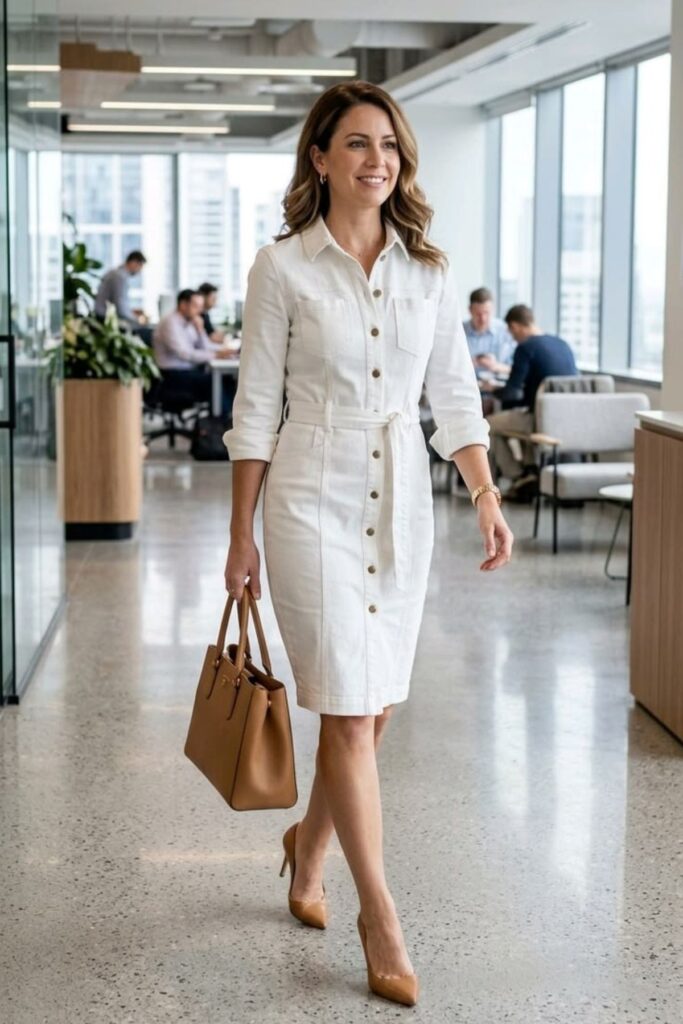
Wrinkles can make an otherwise beautiful outfit look careless because they interrupt the clean lines that create polish.
You can spend hours choosing the right blazer, trousers, and shoes, then lose the effect through neglected fabric.
Unfortunately, wrinkles rarely announce themselves politely, because they simply show up everywhere.
Look closely at the areas that wrinkle most easily, including collars, cuffs, waistbands, sleeves, and trouser fronts.
Those areas are highly visible, so even minor creasing can change the appearance of your outfit. A quick steaming session can make an enormous difference before you leave home.
You do not need an elaborate garment-care setup because a basic steamer can handle many everyday fabrics.
An iron works well too, especially when you need crisp collars, cuffs, or trouser creases. The important part is creating a routine instead of waiting until your clothes look exhausted.
Storage also affects wrinkles because tightly packed clothing has less room to maintain its shape.
Give jackets enough space on sturdy hangers, while knitwear should usually be folded to prevent stretching.
Avoid cramming delicate pieces into an overcrowded drawer where they emerge looking like yesterday’s newspaper.
If you keep wondering why your clothes never look expensive, inspect them before focusing on your shopping habits.
A polished outfit begins before you put it on because clothing needs proper care. Even an inexpensive cotton shirt can look elegant when it is clean, pressed, and properly stored.
Think of steaming as the final polish on your outfit rather than an annoying chore. Five minutes can separate a careless appearance from an outfit that feels genuinely put together.
That small difference can completely change how your clothing is perceived.
See Also: 39 Old Money Style Guide for Petite Women
Your Outfit Has Too Many Competing Details
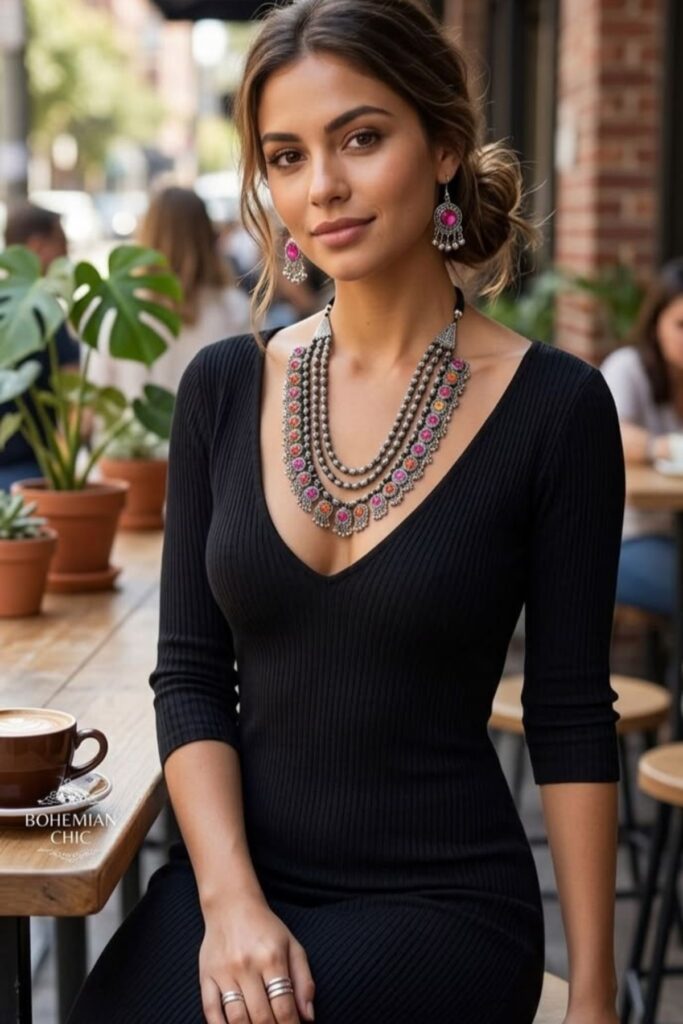
An outfit can look less expensive when every piece tries to become the main attraction.
Large logos, dramatic jewelry, busy prints, embellished shoes, and statement bags can quickly compete for attention.
The result may feel visually crowded instead of polished, even when every individual piece looks attractive.
Try choosing one clear focal point before getting dressed because it gives the outfit a sense of direction.
If you wear a bold printed skirt, keep your top and accessories relatively simple. If your handbag has an unusual shape, let your clothing provide a calmer background.
This does not mean your outfit needs to become boring because personality still matters. Instead, think about contrast and balance rather than adding decoration at every opportunity.
A simple black dress can look spectacular with sculptural earrings and elegant shoes. Color can also create unnecessary competition when several unrelated shades appear together.
Try repeating one color in small areas so the outfit feels connected. For example, burgundy shoes can work beautifully with a burgundy handbag or subtle lipstick.
Accessories should also have enough breathing room because several statement pieces can cancel each other out.
Large earrings may look fantastic with a simple neckline, while a bold necklace may need quieter earrings.
Your accessories should look like they belong at the same party rather than arriving from separate invitations.
If you have wondered why your clothes never look expensive, look at the entire outfit from several feet away. Sometimes removing one accessory creates more polish than adding another.
Fashion can be a little like cooking because too many ingredients can ruin an otherwise excellent dish.
The goal is not owning fewer beautiful things, but learning when each piece deserves attention. Once you understand that balance, even simple outfits can look remarkably sophisticated.
Next Post: The Biggest Petite Fashion Trends This Year
Your Shoes Are Working Against Your Clothes
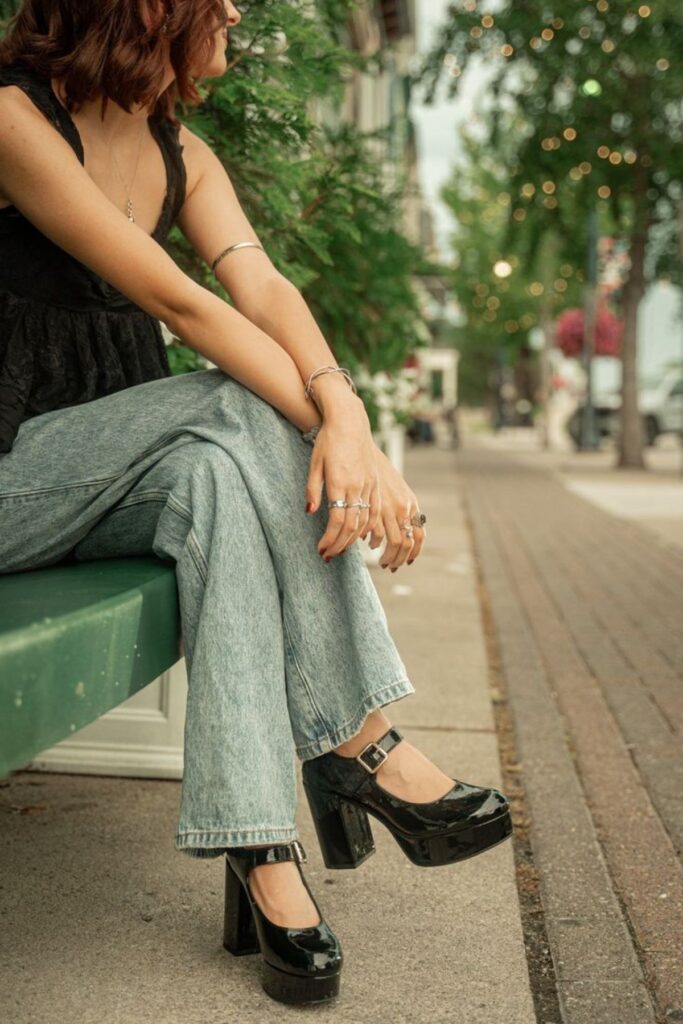
Shoes can quietly change the entire impression of an outfit because they anchor the bottom of your silhouette.
A beautiful dress can lose its polish when paired with worn, dirty, overly bulky, or poorly matched footwear. Your shoes do not need to be expensive, but they need to look intentional.
Start by checking their condition because scuffs, peeling surfaces, and worn heels can quickly distract from your clothing. Clean your shoes regularly and replace pairs that have become visibly damaged.
Even basic footwear looks better when it receives proper care. The shape also matters because certain shoes can make an outfit appear heavier than intended.
For example, a delicate dress may work better with slim sandals than extremely chunky sneakers.
Meanwhile, wide-leg trousers can benefit from shoes with enough structure to balance their volume.
Color provides another opportunity to create polish because coordinated footwear can connect the entire outfit.
Neutral shoes are incredibly useful because they work across many clothing combinations. A carefully chosen statement shoe can also look sophisticated when the rest of your outfit stays restrained.
Pay attention to the condition of your socks and hosiery as well because small details can affect the overall appearance.
A stretched sock or visibly worn stocking can undermine an otherwise polished outfit. These details may seem minor, but they become noticeable when everything else looks carefully considered.
If you keep asking why your clothes never look expensive, take a second look at your shoes. You may discover that the problem is sitting below your ankles rather than inside your closet.
Sometimes changing your footwear can make an old outfit feel completely refreshed.
Read Also: The Best Denim Jackets For Petite Women
Your Clothes Are Missing Structure
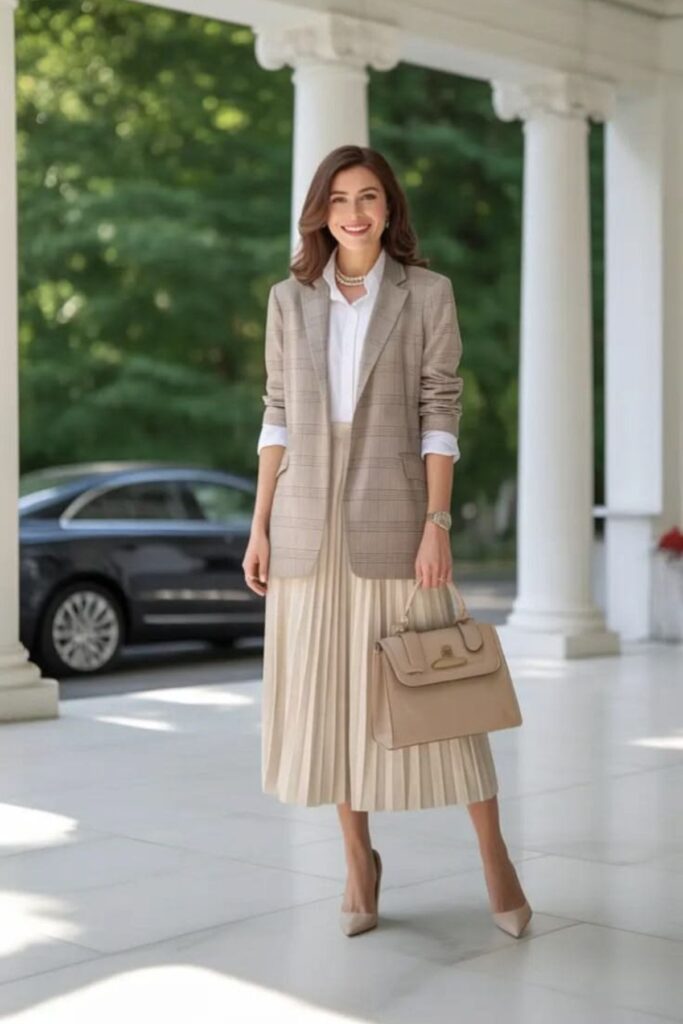
Structure gives clothing a sense of shape, and shape often creates the polished appearance people associate with expensive dressing.
A soft outfit can feel beautiful, but too many loose pieces together may make your silhouette disappear.
Adding one structured item can immediately bring the outfit back into focus. A blazer is one of the easiest ways to introduce structure because it creates definition around your shoulders and waist.
You can wear one over jeans, dresses, skirts, trousers, or relaxed knitwear. Choose a shape that follows your body without feeling restrictive or stiff.
Structured handbags can create a similar effect because they hold their shape instead of collapsing.
A simple rectangular bag can make relaxed clothing feel more polished without adding excessive decoration. Look for clean shapes and practical sizes that work with your daily routine.
Belts can also provide structure by defining your waist and connecting separate pieces. Try adding one to a loose dress, long cardigan, or oversized blazer when the outfit needs more shape.
A belt can sometimes transform a shapeless silhouette within seconds. Structured shoes can help too, particularly when your clothing contains soft fabrics.
A pointed flat, polished loafer, or sleek boot can give an otherwise relaxed outfit a sharper finish.
The contrast between soft and structured pieces often creates more interest than matching everything exactly.
If you are still wondering why your clothes never look expensive, examine the shapes in your outfit.
Ask whether everything is loose, soft, oversized, or unstructured at the same time. Adding one defined element may be enough to make the entire look feel more intentional.
Recommended Post: 37 Quiet Luxury Outfit Ideas for Petite Women
Your Colors Are Fighting Instead Of Working Together
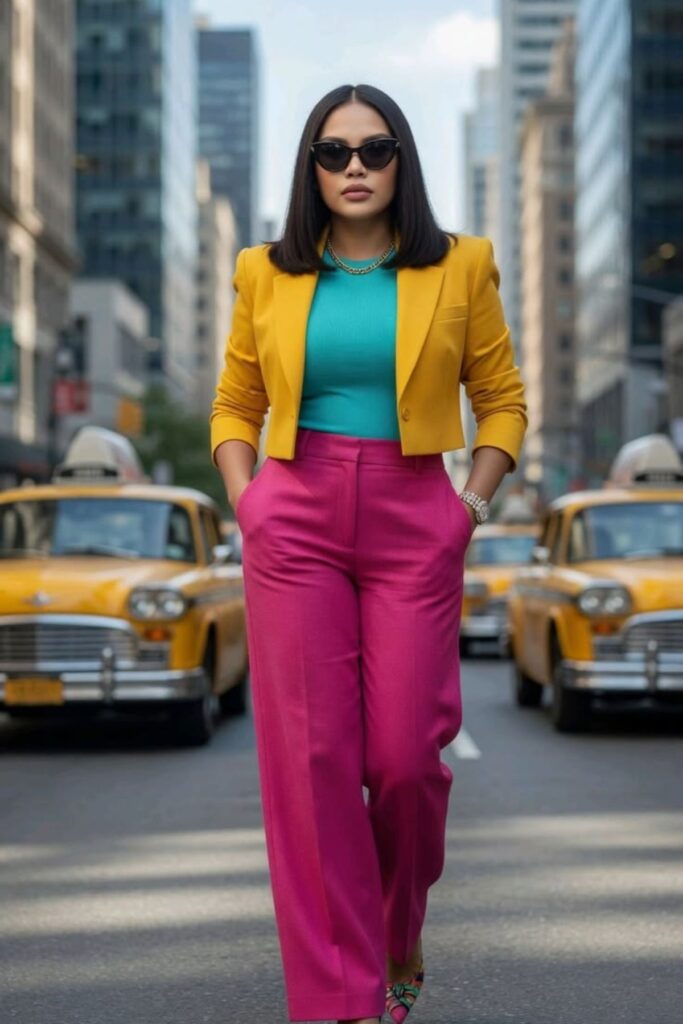
Color coordination can make an outfit feel polished before anyone notices the individual pieces.
When several unrelated colors appear together, however, the outfit can lose the calm appearance often associated with expensive dressing.
This does not mean you need to wear beige from head to toe, because personality still belongs in your wardrobe. Instead, choose a main color and allow the remaining shades to support it.
Neutrals make this especially easy because black, cream, navy, gray, camel, and brown can work with many brighter shades.
You can also create sophistication by wearing different tones from the same color family.
A chocolate sweater with camel trousers and dark brown shoes can look beautifully connected without appearing overly matched.
If you prefer brighter clothing, repeat one color in smaller details so the outfit feels intentional. A red handbag can connect beautifully with red shoes, lipstick, or a subtle pattern in your blouse.
Pay attention to undertones as well because some colors look better together when they share warm or cool qualities.
Cream and camel often create a softer combination than stark white and orange, while navy can feel elegant with cool gray.
If you keep asking why your clothes never look expensive, inspect the color relationships before buying anything else.
Sometimes one mismatched shade creates the visual problem you have been trying to solve with new clothes.
A calmer color story can make affordable pieces appear considerably more refined. You can still have fun with color, but give each shade a reason to be there.
Find Out: How to Wear Oversized Clothes Without Looking Swallowed
Your Fabrics Look Tired Or Too Thin
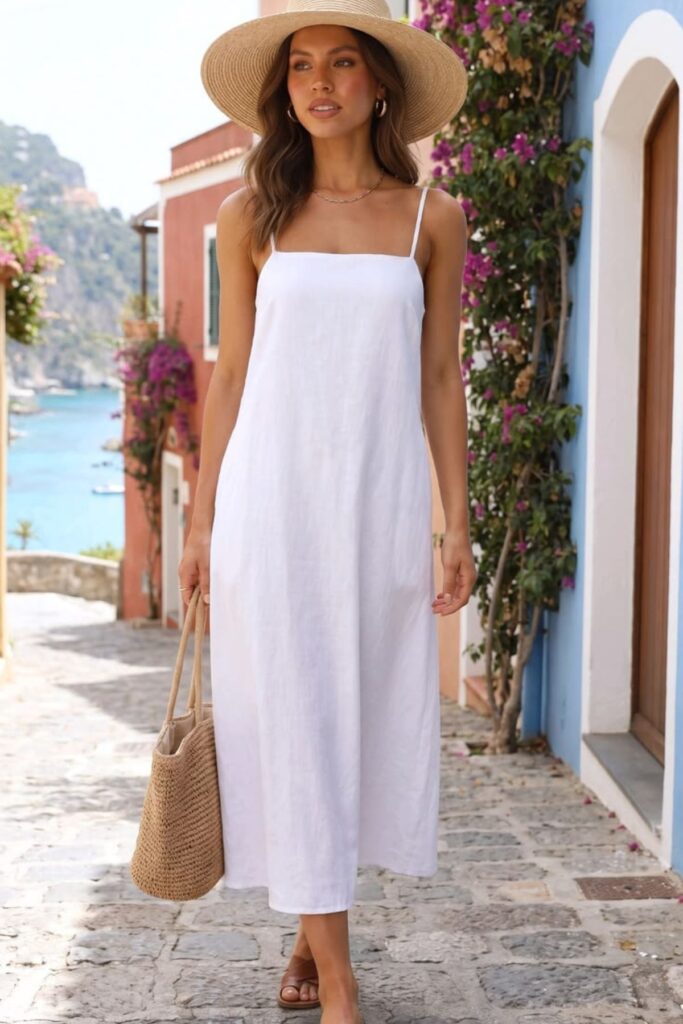
Fabric can strongly influence how clothing appears because texture affects the way garments hang, move, and reflect light.
A thin fabric is not automatically cheap-looking, because lightweight materials can be beautiful when they are well made.
Problems usually appear when fabric becomes overly transparent, loses its shape, pills heavily, or wrinkles after minimal movement.
Start by checking how a garment behaves before buying it because the dressing room can reveal plenty. Sit down, stretch your arms, and examine the fabric under different lighting conditions.
Look for excessive pulling around buttons, shiny areas caused by tension, or strange twisting around seams. These details can reveal construction issues before you spend your money.
Proper care can also keep good fabrics looking fresher for longer. Follow washing instructions, avoid excessive heat, and give delicate garments enough room to dry properly.
Knitwear especially benefits from careful storage because hanging can stretch the shoulders and distort the shape.
If you want to learn how to dress like your clothes look expensive, fabric care should become part of your routine. You can also create contrast by combining different textures within one outfit.
A soft knit with structured trousers can look more interesting than wearing several similar fabrics together.
Denim, leather, wool, cotton, and smooth knitwear can create depth without requiring loud colors.
The hidden reason your clothes never look expensive may therefore involve the condition of the fabric rather than its original price.
Clothing that looks fresh, holds its shape, and feels substantial usually creates a more polished impression.
Read Also: 26 Cocktail Party Outfit Inspiration for Petite Women
Your Underlayers Are Showing In The Wrong Places

Sometimes an outfit looks less polished because of what sits underneath it rather than the clothing itself.
Visible bra straps, bulky seams, uneven camisoles, or underwear lines can interrupt the clean appearance of your outfit.
These details are easy to overlook because you may notice them less than someone viewing the entire outfit.
Start by choosing undergarments according to the clothing you plan to wear. A fitted knit may need smoother underwear, while a lightweight blouse may work better with a simple camisole.
The goal is creating a clean foundation without making yourself uncomfortable.
Your undergarments should also fit properly because excessive compression can create unwanted lines around the waist and back.
On the other hand, loose pieces may shift throughout the day and become visible beneath clothing.
Consider the neckline of your top as well because the wrong bra shape can appear around a low or wide neckline.
Color matters too, particularly with lighter fabrics that can become slightly transparent under bright lighting.
A close match to your skin tone can sometimes appear less visible than stark white underneath pale clothing.
If you are wondering why your clothes never look expensive, examine the outfit from the back and sides. Mirrors often reveal details that you cannot notice from the front.
You can also take a quick photo before leaving home because photographs reveal proportions differently.
This simple check can help you catch visible straps, bunching, and awkward lines before they become an issue.
A polished outfit starts with a smooth foundation, so do not underestimate what happens beneath your clothes.
Next Post: 21 Black-Tie Outfit Ideas for Petite Women
Your Outfit Needs Better Proportions
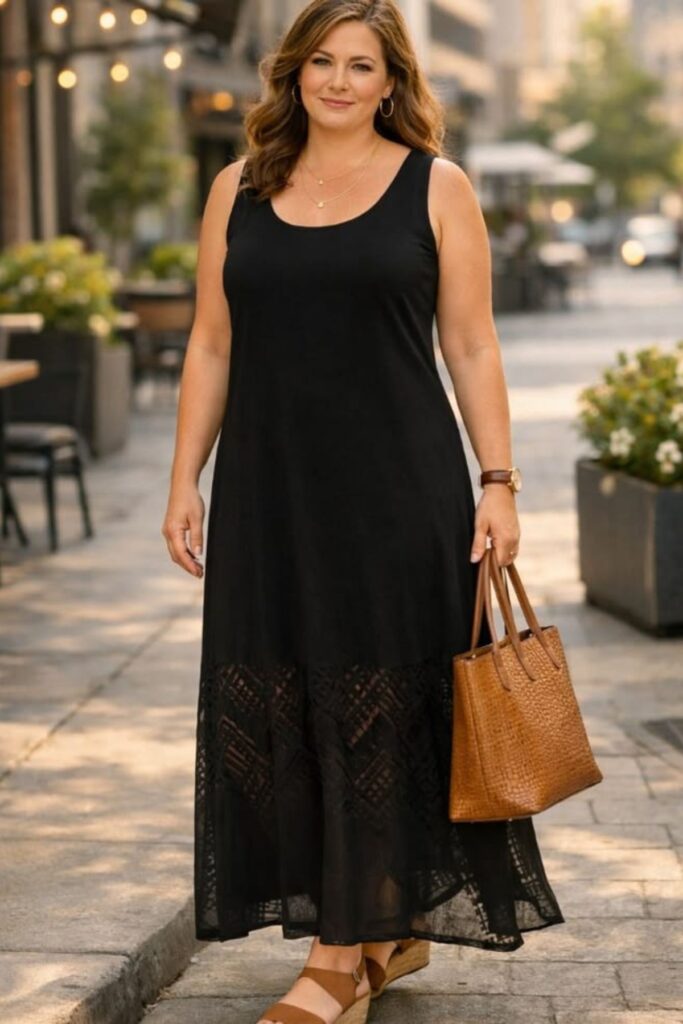
Proportion is one of the quiet forces behind polished dressing because it determines how each garment relates to the others.
A beautiful oversized sweater can look stylish with slim trousers, yet overwhelming with another oversized piece.
Similarly, wide-leg pants can look elegant with a fitted top but lose definition with a very loose blouse. Think about your outfit as a collection of shapes rather than separate clothing items.
If one piece has considerable volume, consider keeping another area more streamlined. This creates contrast and gives the eye somewhere to rest.
You can also play with lengths because a cropped jacket can completely change the appearance of high-rise trousers. A longer coat can create a different effect over a shorter dress or narrow pants.
Petite women can benefit from this approach because excessive fabric can easily dominate a smaller frame.
Taller women can also use proportion to create shape instead of simply adding more oversized clothing.
If you keep wondering why your clothes never look expensive, take a photograph of your full outfit.
Photos can make proportion problems much easier to spot because the entire silhouette appears at once.
Try changing just one element before replacing the entire outfit. Swap wide trousers for a straighter pair, add a shorter jacket, or tuck your shirt differently.
Small proportion changes can completely alter the balance of familiar clothes.
Once you learn to see those relationships, shopping becomes easier because you can recognize what your wardrobe actually needs.




3 Comments