How To Dress Like A Fashion Editor
Learning how to dress like a fashion editor is less about chasing every trend and more about developing a recognizable personal style. Fashion editors often make simple pieces look expensive because they understand proportion, color, texture, and thoughtful styling.
The good news is that you can borrow those ideas without turning your closet into a designer showroom. The secret usually sits in the small choices that make an outfit feel intentional without looking overly planned.
With a little practice, How To Dress Like A Fashion Editor becomes a practical style lesson rather than an impossible fashion fantasy.
Recommended Post: How to Dress a Petite Inverted Triangle Body Shape
How To Dress Like A Fashion Editor
Build Your Outfit Around One Strong Piece

One of the easiest ways to make an outfit feel editorial is choosing one piece that carries the visual conversation.
That piece could be an oversized blazer, sculptural skirt, dramatic coat, colorful handbag, or pair of striking shoes. Everything else can then support that item instead of competing with it.
This approach works because outfits can become messy when every piece demands attention at once.
Imagine wearing a printed blouse, sequined skirt, statement necklace, embellished shoes, and a decorated handbag together.
Each item may look wonderful alone, but together they can sound like five people talking at dinner.
Instead, choose one focal piece and keep the surrounding pieces relatively restrained. For example, a dramatic red coat can look fantastic with straight-leg jeans, a simple sweater, and pointed boots.
A sculptural skirt can work beautifully with a fitted knit and understated shoes.
Color can also help you control the outfit because repeated shades create a stronger connection between separate pieces.
If your statement item contains several colors, choose one shade from it for your shoes or handbag.
That small repetition can make the entire outfit feel more connected.
Texture provides another way to create interest without adding more colors. A leather jacket can look sophisticated with a soft knit, while a wool coat can balance silky trousers.
The contrast makes the outfit interesting without requiring excessive decoration.
Related Post: The Best Blazers for Petite Women
Invest In Excellent Basics

Fashion editors may wear attention-grabbing pieces, but their wardrobes also depend heavily on reliable basics.
A beautiful white shirt, well-fitting trousers, dark jeans, simple knitwear, and polished shoes can support countless outfits.
These pieces give you a strong foundation when you want to experiment with more expressive fashion.
The trick is choosing basics with details that make them feel special rather than completely ordinary.
A white shirt with an interesting collar can feel more sophisticated than a generic button-down.
Straight-leg trousers with a clean waistband can look sharper than heavily decorated alternatives.
Fit should be your first concern because a basic garment exposes poor construction more easily.
A plain blazer with excellent shoulder placement can look expensive, even when the price tag says otherwise.
Meanwhile, a costly jacket with awkward sleeves can still look uncomfortable and poorly chosen.
Fabric also matters because texture influences how clothing hangs and moves throughout the day.
Look for materials that hold their shape without feeling stiff or uncomfortable against your skin.
Natural fibers can be lovely, while quality blends can also provide excellent performance and easier care.
Do not feel pressured to buy everything at once because a strong wardrobe develops gradually.
Replace worn pieces when necessary and choose new basics based on the outfits you already wear.
That approach prevents your closet from filling with beautiful items that have nowhere to go.
Read Also: The Best Trench Coats for Petite Women
Play With Unexpected Proportions

Fashion editors often make ordinary clothing look interesting by changing the expected relationship between pieces.
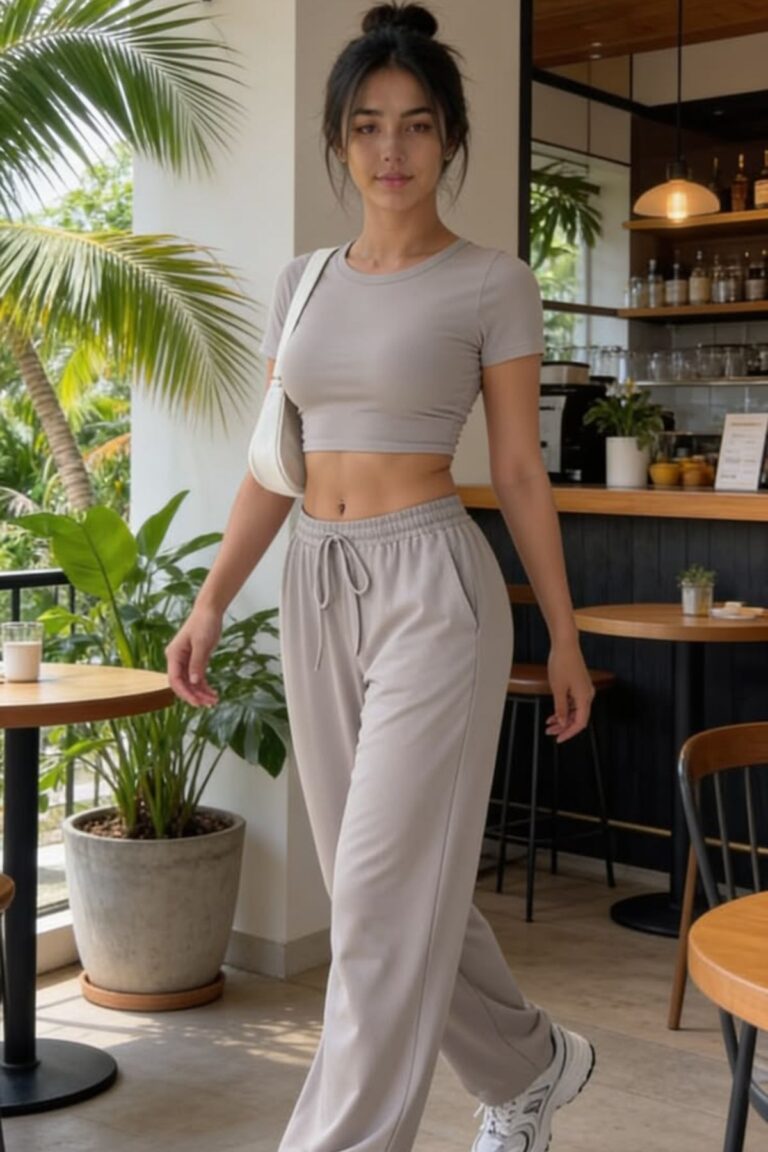
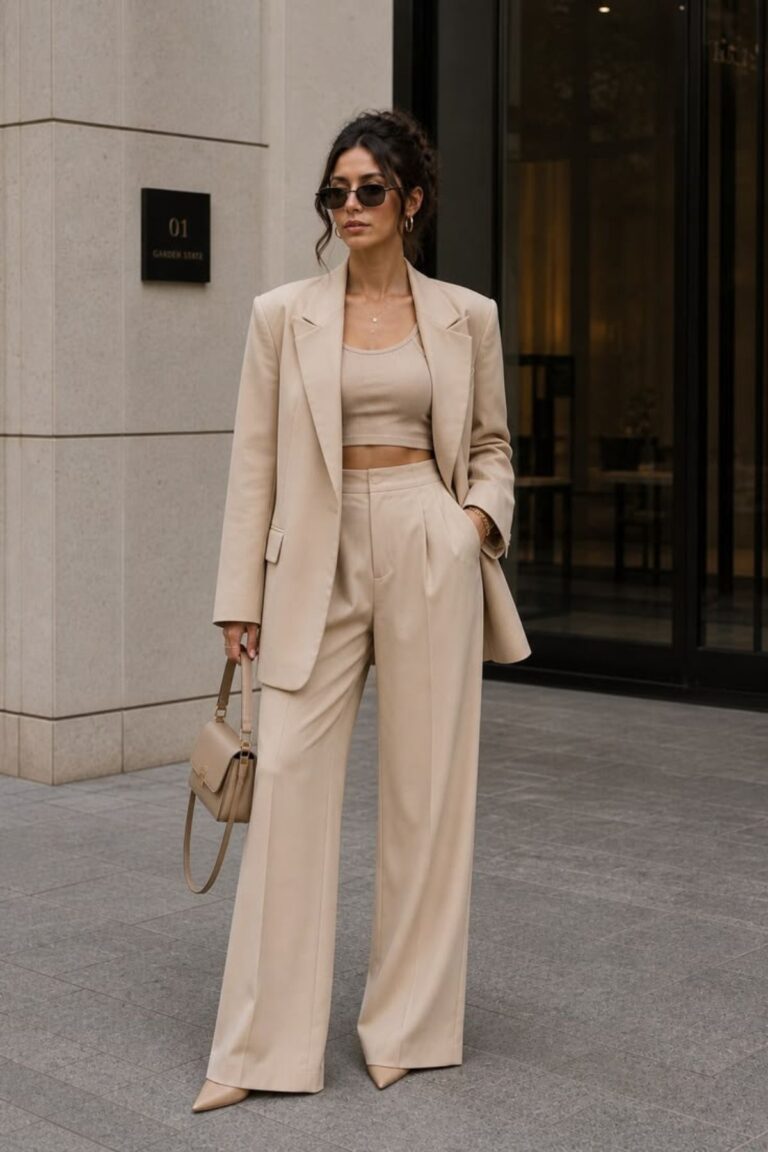
A fitted top with wide trousers can feel modern, while an oversized jacket can work beautifully with a narrow skirt. These contrasts create visual tension, which makes an outfit feel more intentional.
You do not need extreme proportions to try this idea because small adjustments can create enough contrast.
Pair a slightly oversized button-down with slim jeans, or wear a cropped jacket over a longer skirt.
The goal is creating a noticeable difference between shapes without making the outfit uncomfortable.
Pay attention to where each piece ends because hemlines can dramatically change your overall proportions.
A jacket ending near your natural waist can make high-rise trousers appear longer. A longer coat can create a completely different effect when worn over a shorter dress.
Shoes can also influence how your proportions appear because footwear occupies the final part of your silhouette.
A pointed shoe can create a sharper finish, while a chunky loafer can introduce more visual weight.
Choose footwear based on the balance of the entire outfit rather than treating it as an afterthought.
This technique becomes especially useful if your wardrobe consists mostly of simple pieces.
You can make the same white shirt and black trousers feel completely different by changing the proportions around them.
Try rolling your sleeves, adding a cropped jacket, or swapping straight trousers for a wider silhouette.
Learning how to dress like a fashion editor means becoming curious about these small experiments.
Next Post: 26 Cocktail Party Outfit Inspiration for Petite Women
Make Your Shoes Part Of The Outfit

Shoes can completely change the personality of an outfit, which is why fashion editors rarely treat them as an afterthought.
The same jeans and blazer can look polished with pointed pumps, relaxed with sneakers, or fashion-forward with chunky loafers.
Your footwear can quietly determine where the entire outfit sits on the style spectrum.
Start by considering the shape of your clothes before choosing your shoes.
Wide-leg trousers often work well with footwear that has enough visual weight to balance the hem.
Slim trousers can pair beautifully with delicate flats, sleek boots, or pointed heels.
Color can also make shoes more useful because a neutral pair can connect several outfits.
Black, brown, cream, burgundy, and metallic shades can work across different seasons and clothing combinations.
However, a colorful shoe can become the perfect statement piece when the rest of your outfit remains simple.
Pay attention to small details because shoe design can make a basic outfit feel far more polished.
A square toe, interesting heel, unusual buckle, or glossy finish can provide personality without looking excessive. You can also repeat a shoe color elsewhere through your handbag, belt, or jewelry.
Comfort matters because stylish footwear loses its charm quickly when you are limping across the sidewalk.
Choose shoes that allow natural movement, especially if your day involves commuting, walking, or standing.
Fashion editors may photograph beautifully outside shows, but practical shoes still have their place.
Check Out: 35 Petite Wedding Guest Outfit Ideas for Every Dress Code
Use Color With Confidence
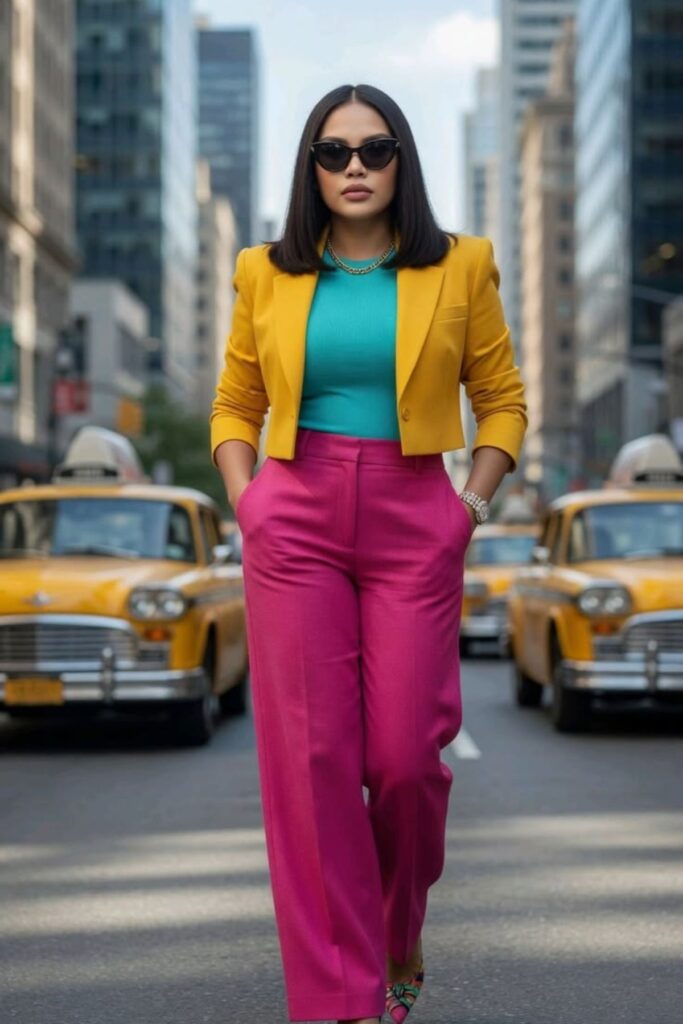
Color can make an outfit memorable, but fashionable dressing does not require wearing several bright shades simultaneously.
Fashion editors often understand how one strong color can create more impact than an entire rainbow of competing tones.
The secret is choosing colors that work together while allowing one shade to take center stage.
Start with a neutral foundation if wearing color makes you nervous.
Black trousers, cream knitwear, denim, gray coats, and white shirts provide easy backgrounds for brighter accessories. Then introduce one strong shade through shoes, a handbag, a scarf, or a jacket.
You can also build outfits around different shades of the same color for a sophisticated monochromatic effect.
A chocolate brown sweater can work with camel trousers and darker brown shoes. A navy jacket can pair beautifully with blue jeans and a lighter blue shirt.
Do not forget that color includes makeup, jewelry, and accessories because those details can influence the entire appearance.
Gold jewelry can warm earthy shades, while silver can create a cooler and sharper effect. Even your handbag can repeat a color that appears subtly in your clothing.
If you love bright colors, give them enough space rather than adding more brightness for the sake of it.
A vivid cobalt coat can become the focal point when worn with simple black trousers and understated shoes.
That combination can look much more sophisticated than several loud pieces competing together.
Understanding how to dress like a fashion editor also means becoming comfortable with your own color preferences.
Read Also: 37 Quiet Luxury Outfit Ideas for Petite Women
Create Interest With Layering
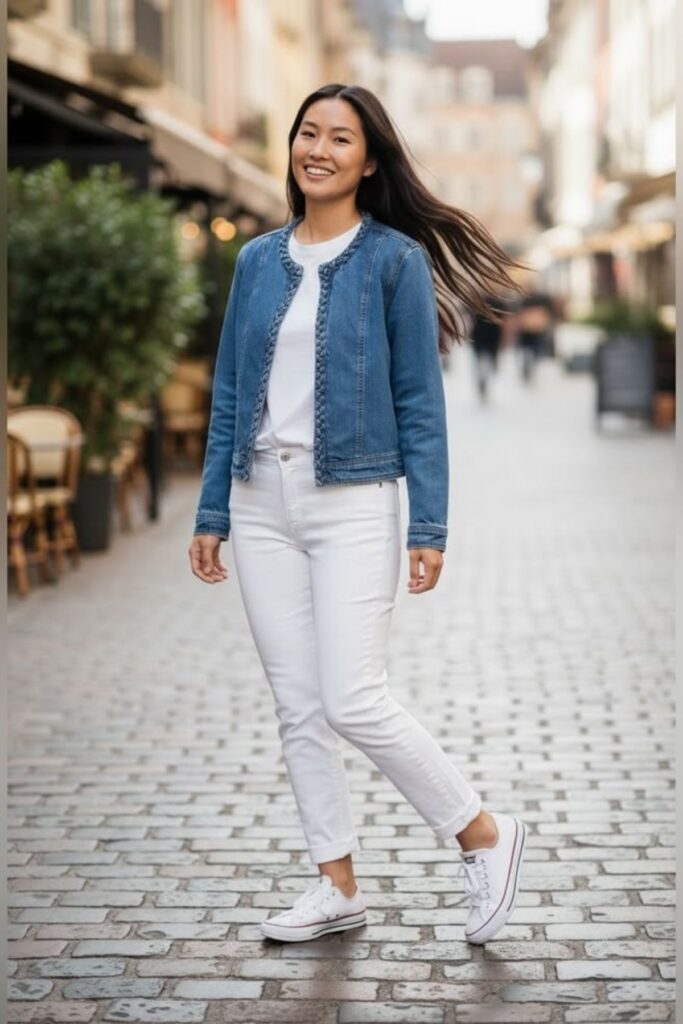
Layering can make a simple outfit look thoughtful because it introduces depth, texture, and movement without requiring complicated pieces.
Fashion editors often use layers to make familiar clothes feel fresh, especially during transitional weather.
The trick is keeping each layer visible enough to contribute without turning your outfit into a clothing pile.
Start with a lightweight base because thin fabrics make layering much easier.
A fitted tank can sit beneath a button-down, while a slim turtleneck can work under a blazer. You can then add a coat, cardigan, or jacket depending on the temperature and occasion.
Length is especially important because layers look better when their proportions create some contrast. A longer shirt underneath a cropped sweater can create an intentional peek of fabric.
Similarly, a short jacket over a longer dress can create a defined waist while keeping the outfit interesting.
Texture can make layering even more appealing because different materials catch light differently. Try combining denim with knitwear, leather with cotton, or wool with a silky blouse.
These contrasts can make neutral outfits feel rich without adding bright colors or elaborate accessories.
Avoid adding layers simply because you can because every piece should serve a purpose. If your outfit already contains several textures, keep the colors relatively connected.
That balance prevents the look from becoming visually noisy while still giving you enough detail to hold attention.
If you are learning how to dress like a fashion editor, layering gives you countless opportunities to experiment.
Read Also: Celebrity Petite Outfits You Can Recreate on a Budget
Choose Accessories With Personality

Accessories can turn an ordinary outfit into something that feels distinctly personal because they reveal your taste.
Fashion editors often use jewelry, bags, sunglasses, belts, and scarves to add character without changing the entire outfit.
You can do the same by choosing accessories that feel connected to your personality.
Instead of collecting dozens of random pieces, look for accessories that work with several outfits. A structured handbag can polish jeans and a sweater just as easily as it can finish a dress.
A pair of sculptural earrings can also make a simple black outfit feel ready for dinner.
Scale matters because oversized accessories can dominate a smaller outfit while delicate pieces can disappear.
Try balancing large earrings with a simple neckline, or pair a statement bag with understated jewelry.
The goal is creating a clear focal point rather than making every accessory compete for attention.
Belts are particularly useful because they can change the shape of an outfit in seconds. Add one over a blazer, cardigan, coat, or flowing dress when you want to define your waist.
A simple belt can also connect your shoes and handbag when they share a similar color.
Sunglasses can create another strong fashion-editor effect because they add structure around your face.
Choose frames that complement your features rather than buying the largest pair available.
A slightly unexpected shape can give a simple outfit an editorial quality without making you look like you borrowed sunglasses from a movie star.
Learning how to dress like a fashion editor becomes much easier when you understand accessories as styling tools.
Mix Expensive-Looking Pieces With Affordable Finds
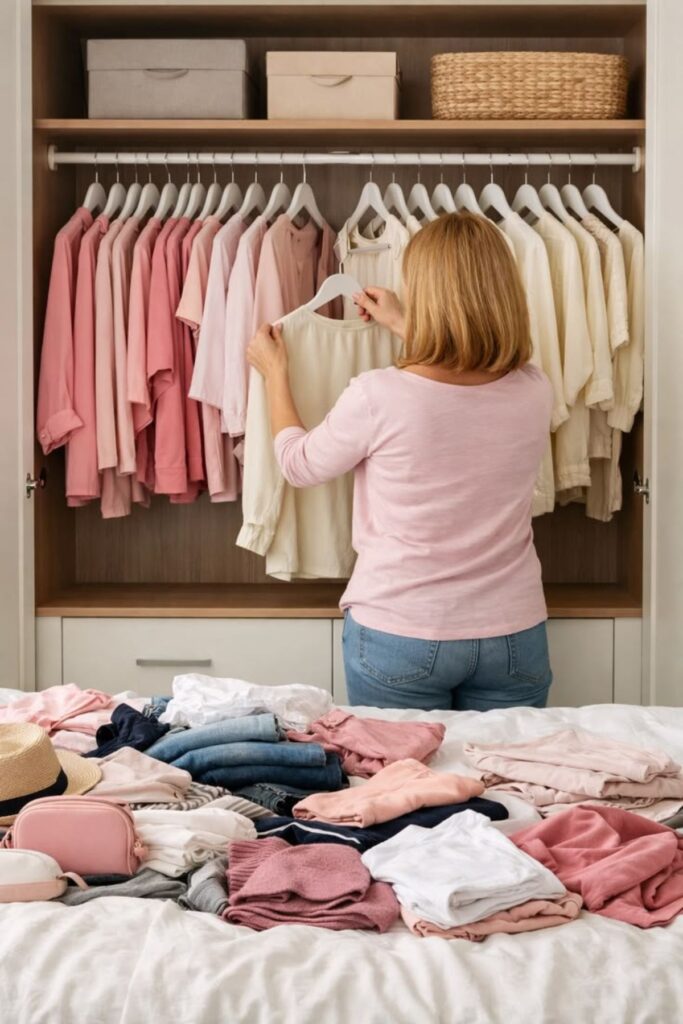
You do not need a designer wardrobe to create outfits that feel polished, because styling often matters more than the label.
Fashion editors regularly combine investment pieces with affordable clothing, vintage finds, and simple basics.
That mixture can make an outfit feel personal instead of looking like it came directly from one store.
Start by identifying which pieces deserve a larger portion of your clothing budget. A great coat, leather handbag, quality shoes, or well-fitting blazer can often earn frequent wear.
Then balance those purchases with affordable tops, jeans, accessories, and seasonal pieces.
Fabric can make inexpensive clothing appear considerably more refined when the garment fits well.
Look for materials that hold their shape and avoid pieces that wrinkle excessively after minimal movement.
A simple garment with good structure can often look better than an expensive piece with poor construction.
Styling also changes how clothing is perceived because small details can make an outfit feel intentional.
Tuck your shirt neatly, adjust your sleeves, polish your shoes, and choose accessories that connect visually. Those little habits can make a major difference without costing anything.
Try shopping your own closet before assuming you need something new. You may discover an old blazer that looks completely different with wide-leg trousers and modern accessories.
A forgotten scarf can become a headband, while a vintage handbag can give jeans and knitwear unexpected personality.
Knowing how to dress like a fashion editor means understanding that style is about choices rather than receipts.
Pay Attention To Grooming And Finishing Details
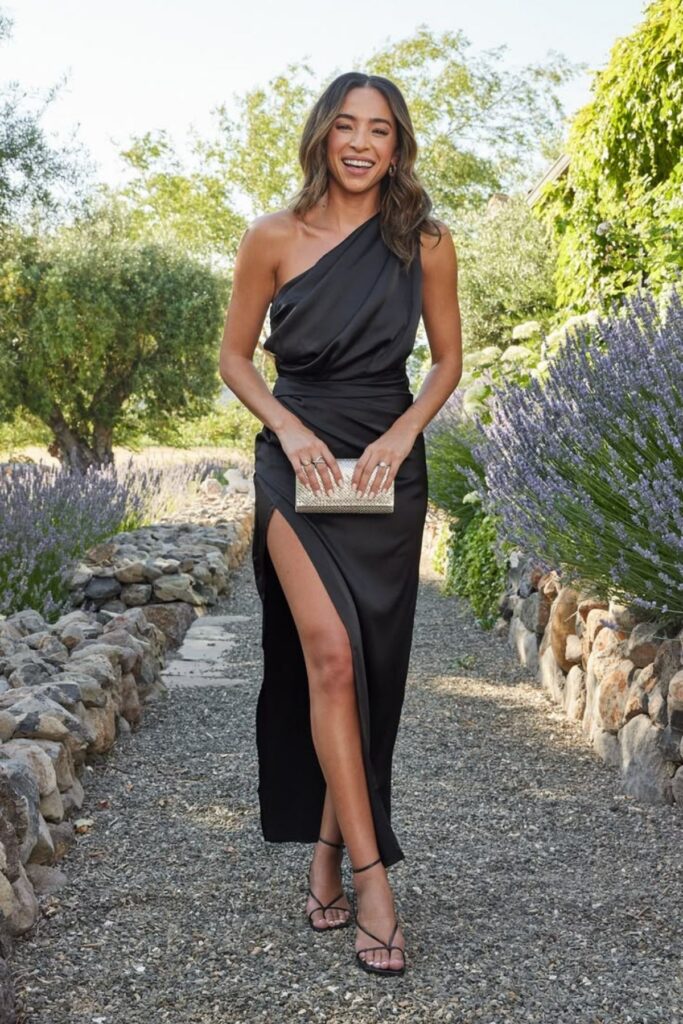
A polished outfit can lose its effect when the finishing details look neglected, which is why grooming matters so much.
Fashion editors understand that clothing is only one part of the overall appearance. Hair, nails, shoes, skin, and even the condition of your handbag can influence how finished an outfit feels.
You do not need elaborate beauty routines because consistency often matters more than complexity.
Clean hair, neat brows, moisturized skin, and tidy nails can support almost any outfit.
The same principle applies to clothing because steamed garments usually look more refined than heavily wrinkled ones.
Shoes deserve special attention because scuffed or dusty footwear can distract from an otherwise polished outfit.
Take a few minutes to clean your shoes before wearing them for an important occasion.
Small maintenance habits can make your existing wardrobe appear fresher without requiring new purchases.
Your handbag also benefits from occasional editing because receipts and random clutter can quickly take over. A structured bag looks more polished when it holds only the things you actually need.
The same applies to jewelry because tangled chains and missing earrings can turn getting dressed into unnecessary chaos.
Fragrance can also become part of your personal style because people often remember how someone smells.
Choose a scent that feels comfortable and appropriate for your routine rather than overwhelming everyone nearby. A subtle fragrance can complement an outfit without becoming the main event.
If you are learning how to dress like a fashion editor, remember that polish happens before you leave home.
Develop A Signature Styling Trick
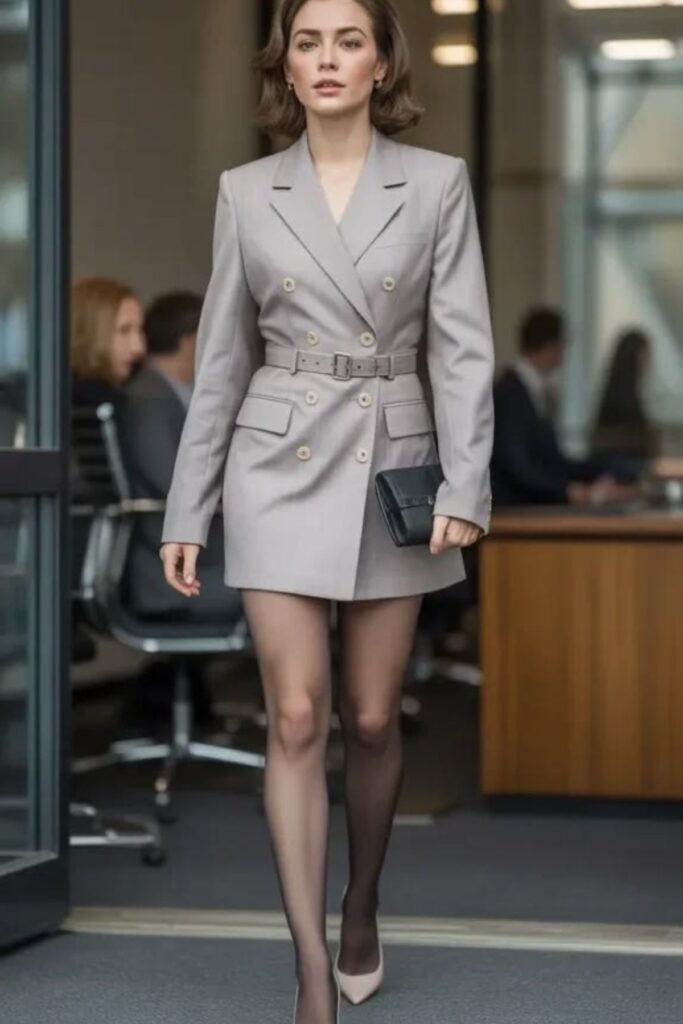
The most memorable dressers often have one styling detail that appears repeatedly without becoming predictable.
It might be rolled sleeves, a particular type of handbag, stacked bracelets, bold glasses, or a favorite lipstick shade. That repeated detail can become part of your visual identity.
Your signature does not need to be dramatic because consistency can make even subtle choices recognizable.
Perhaps you always wear a watch with your blazers, or you prefer pointed shoes with wide-leg trousers.
Those habits can become part of your style language without requiring conscious effort every morning.
Look through your favorite outfits and identify details that keep appearing naturally.
You may notice that you gravitate toward gold jewelry, tucked shirts, structured bags, or monochromatic combinations. Instead of fighting those preferences, consider developing them further.
A signature styling trick should also work with different types of clothing because flexibility keeps it useful. A favorite pair of earrings can work with casual denim, office tailoring, and evening dresses.
A distinctive belt can transform trousers, coats, skirts, and dresses throughout the year.
Avoid forcing a signature simply because someone else looks great wearing it. Your personal detail should feel comfortable enough that you would still choose it on an ordinary Tuesday.
Authenticity becomes much easier when your style choices fit naturally into your actual life.
Learning how to dress like a fashion editor is ultimately about developing an eye rather than copying outfits.
3 Comments