The Biggest Wardrobe Mistake Petite Women Keep Making
If you are petite, the biggest wardrobe mistake can happen before you even leave the fitting room. It often starts with buying clothes that technically fit, yet still feel strangely wrong. The problem usually has little to do with height alone, because proportion can change how an outfit looks and feels.
Many petite women spend years blaming their bodies for clothes that were never cut with their proportions in mind. A sleeve can swallow your hand, while a dress hem lands several inches below the spot you imagined.
That frustration can make shopping feel like a guessing game, but a few smart changes can make your closet work harder.
Related Post: The Ultimate Petite Capsule Wardrobe
The Biggest Wardrobe Mistake Petite Women Keep Making
You Treat Petite As A Size Instead Of A Proportion
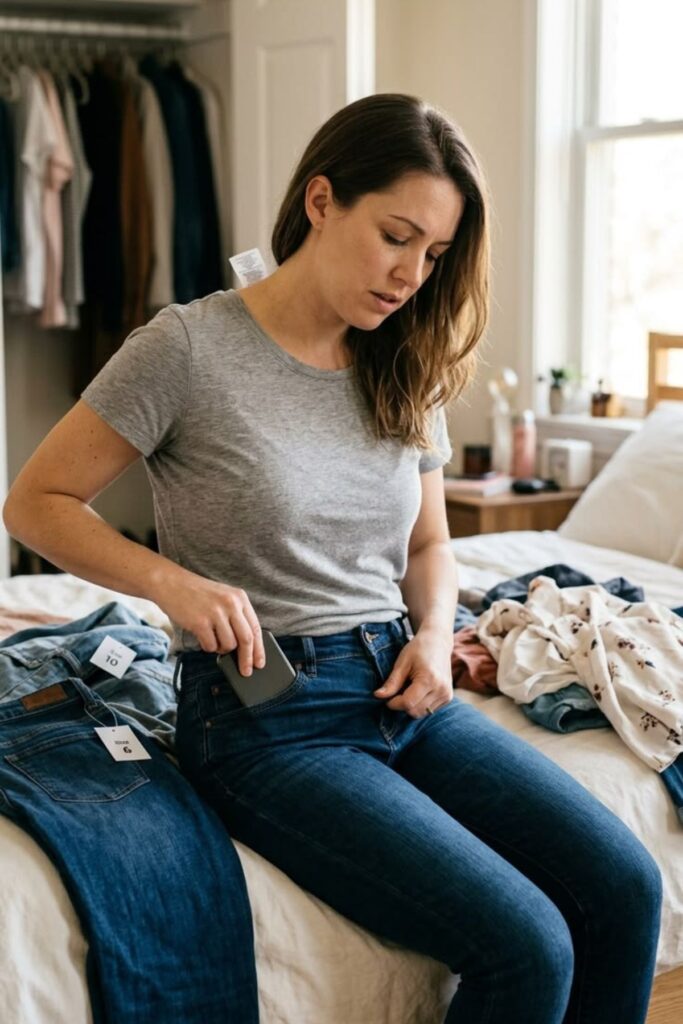
One of the easiest mistakes is assuming petite simply means choosing a smaller clothing size. That approach sounds logical, but it misses the bigger issue.
Petite describes height and proportion, rather than your body weight or dress size.
You can be petite and wear a size two, size eight, or size sixteen. Your clothing size tells you about measurements, while petite sizing considers where those measurements are placed.
A petite blazer may have shorter sleeves and a narrower shoulder area. A petite dress may also have a raised waistline and adjusted neckline.
This difference can completely change how an outfit sits on your body. Imagine buying your usual size in a regular blazer because the buttons close perfectly.
The shoulders may still extend too far, while the sleeves cover part of your hands. The jacket fits technically, but it does not look balanced.
That is why the biggest wardrobe mistake often begins with the words, “This is my normal size.” Your normal size is useful, but it should never be your only checkpoint.
Before buying anything, look at the shoulder seams, waist placement, sleeve length, and overall garment length. These details tell you much more than the number on the tag.
If several areas look too long, try the petite version before sizing down. A smaller regular size may become too tight without fixing the proportions.
Next Post: 39 Old Money Style Guide for Petite Women
You Buy Oversized Pieces Without Checking Their Scale
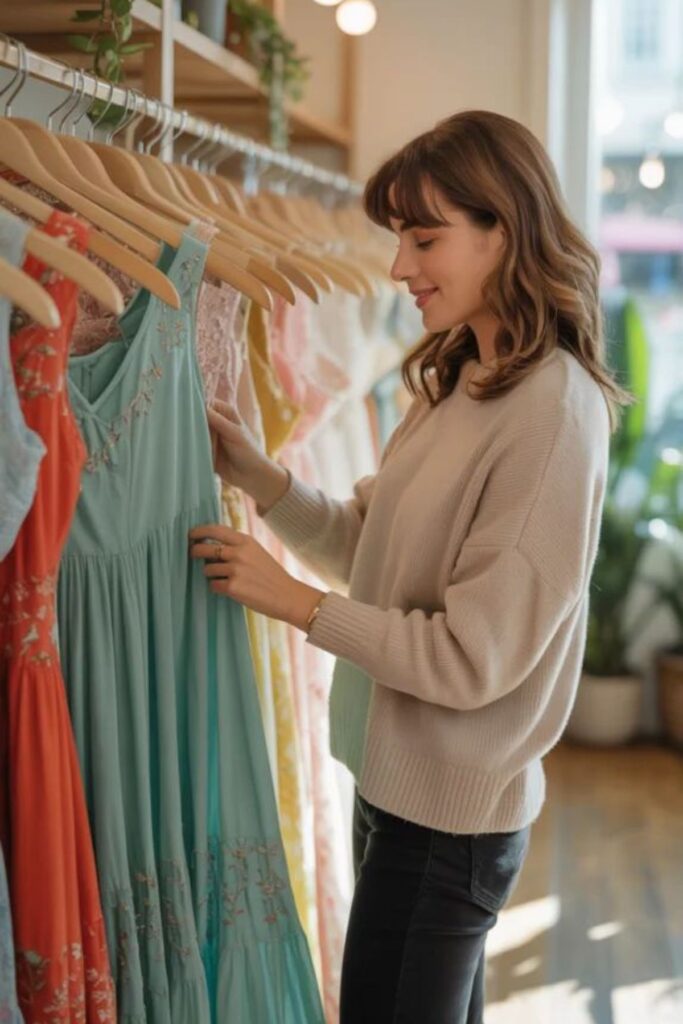
Oversized clothing can look effortlessly cool, but petite women need to consider scale.
A roomy sweater can look relaxed and stylish, while an oversized sweater can make your frame disappear completely.
The difference often comes down to where the fabric ends and how much volume surrounds your body.
A large blazer with broad shoulders, long sleeves, and a low hem can create several heavy horizontal breaks.
Your outfit may then appear shorter because your body becomes buried underneath the fabric.
This does not mean petite women should avoid relaxed silhouettes. In fact, a roomy jacket can look fantastic when the proportions are controlled.
Try pairing a relaxed blazer with a fitted tank and high-rise jeans. The contrast gives the outfit shape without making everything cling tightly.
You can also choose oversized pieces with shorter lengths. A cropped oversized jacket can provide volume while keeping your waist visible.
That small adjustment can make the difference between stylishly relaxed and completely swallowed.
The biggest wardrobe mistake is assuming that oversized automatically means fashionable. The cut still needs to relate to your frame.
Before purchasing a dramatic piece, stand sideways in the fitting room. Check where the shoulder seam falls and watch how the hem moves around your legs.
If the garment hides every defining point, try a smaller scale.
Learn: How to Wear Oversized Clothes Without Looking Swallowed
You Ignore Where Your Clothes End
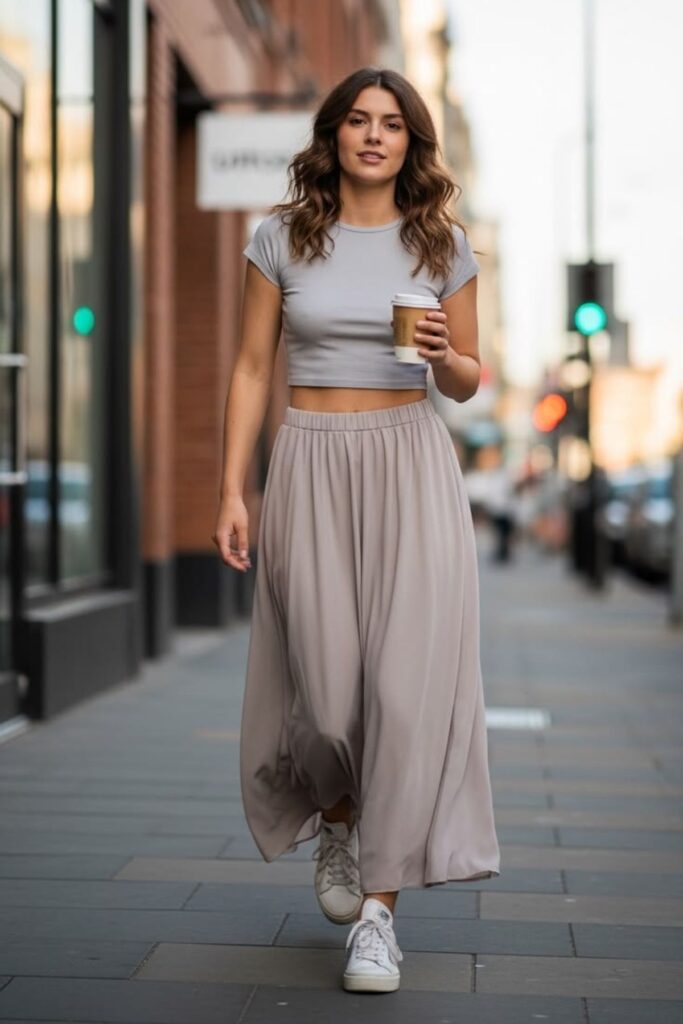
Hemlines might seem like a tiny detail, but they can completely change your outfit. A skirt ending two inches above your ankle creates a different effect from one ending across your widest calf area.
Petite women often notice this problem with dresses, trousers, jeans, and coats. Something intended as a midi dress can become almost ankle length on a shorter frame.
The garment may still look attractive, but the altered proportion can make the outfit feel heavier.
The same issue happens with sleeves. A sleeve that falls over your hand can make an otherwise polished blouse look oversized.
A coat reaching much farther down your leg can also dominate the entire outfit.
There is no single perfect length for every petite woman. Your personal proportions, footwear, and outfit shape all matter. The goal is to notice where the garment creates visual stopping points.
Try taking a quick mirror photo before buying a questionable piece. Look at the image instead of relying only on your first impression.
Photos can reveal proportion issues that are easy to miss while standing close to a mirror.
The biggest wardrobe mistake is buying something because the style looks beautiful on the hanger. Clothes need to work on your body, rather than simply look appealing under store lighting.
When a piece feels almost right, check its ending points first. A small hem adjustment may completely change its appearance.
Recommended Post: The Only Wardrobe Basics Petite Women Need
You Choose The Right Size But The Wrong Rise

The rise of your pants can quietly change the proportions of your entire outfit. That makes it one of the first details petite women should check before judging a pair of jeans.
A low-rise pair can create a longer-looking torso and make your legs appear shorter. A higher rise can visually move the waist upward, giving the lower half more presence.
This does not mean every petite woman needs extremely high-rise jeans. The waistband should still feel comfortable and sit naturally on your body.
If the rise is too high, the fabric can bunch around your stomach and create another fit problem.
The biggest wardrobe mistake is choosing pants based only on waist and hip measurements. Rise placement matters because it changes where your top meets your bottom.
Try different rises while wearing the shoes you usually wear. Then tuck in your shirt and look at your full silhouette. You may notice that one rise creates a cleaner transition between your torso and legs.
High-rise straight jeans can work beautifully with tucked-in shirts and cropped jackets. Mid-rise trousers can also look polished when the waistband sits at a flattering point.
Your goal is not to follow a strict fashion rule. Your goal is to find the waistband position that makes your proportions feel balanced.
Once you understand your preferred rise, shopping becomes much easier. You can stop forcing yourself into cuts that look fashionable but never feel quite right.
Check Out: 35 Petite Wedding Guest Outfit Ideas for Every Dress Code
You Keep Buying Clothes That Need Too Many Fixes

There is nothing wrong with taking a favorite garment to a tailor. A simple hem or sleeve adjustment can rescue an excellent piece and make it feel far more personal.
The problem starts when almost everything in your closet requires major alterations.
If your regular clothes consistently need shoulder adjustments, waist changes, sleeve shortening, and significant hemming, the original proportions may simply be wrong.
That can become expensive very quickly. You might spend less on the garment itself, then quietly spend more trying to make it wearable.
After several purchases, your bargain wardrobe may cost far more than expected.
The biggest wardrobe mistake is ignoring the difference between a simple alteration and a major reconstruction.
A two-inch hem can be reasonable, while changing the shoulder structure of a jacket can become complicated.
Before buying, ask yourself how much work the garment needs. If the answer includes several major changes, put it back on the rack and compare it with a petite option.
Petite clothing can save time because many proportions are already adjusted for shorter frames.
Petite styling guidance also emphasizes that proportion matters alongside garment length.
That does not mean every petite garment will fit perfectly. Bodies differ, and clothing brands use different measurements.
Still, starting with a garment closer to your proportions can make shopping far less frustrating.
A good wardrobe should support your life, rather than creating a weekly appointment with your tailor.
Next Post: Celebrity Petite Outfits You Can Recreate on a Budget
You Let Trends Decide What Belongs In Your Closet
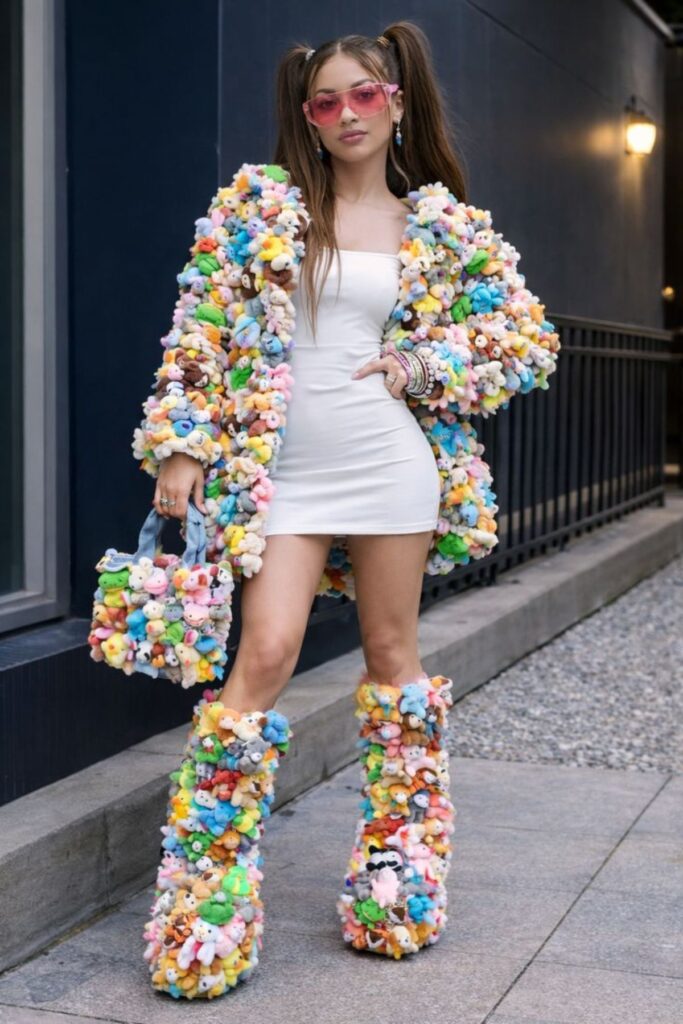
Trends can be exciting, especially when a new silhouette suddenly appears everywhere. Still, following every trend can make petite dressing much harder than it needs to be.
A dramatic oversized coat might look incredible on a taller model. A very long skirt may also create an elegant shape on someone with a longer frame.
When those same proportions land on a petite body, the effect can change considerably.
The biggest wardrobe mistake happens when you copy the garment without considering its scale. Fashion inspiration should give you ideas, rather than dictate exactly what you must wear.
Instead of asking whether something is trendy, ask how the garment interacts with your proportions.
Look at the shoulder width, hemline, sleeve length, waist position, and overall volume. Those details will tell you more than the trend itself.
You can also adapt trends instead of rejecting them completely. If floor-length skirts feel overwhelming, try a shorter version with a similar shape.
If oversized blazers dominate your frame, choose one with slightly narrower shoulders and shorter sleeves.
The same approach works with current denim styles. Wide-leg jeans can look polished on petite women when the rise, length, and shoe combination work together.
A cropped jacket can also balance a fuller trouser shape beautifully.
Your closet should reflect your personality, rather than becoming a museum of passing trends. If something looks great but makes you uncomfortable, it may simply need a different proportion.
The biggest wardrobe mistake is giving a trend more authority than your own mirror. You should wear the trend, rather than allowing the trend to wear you.
Recommended Post: Why That Trend Doesn’t Work For Every Petite Woman
You Confuse Petite With Skinny
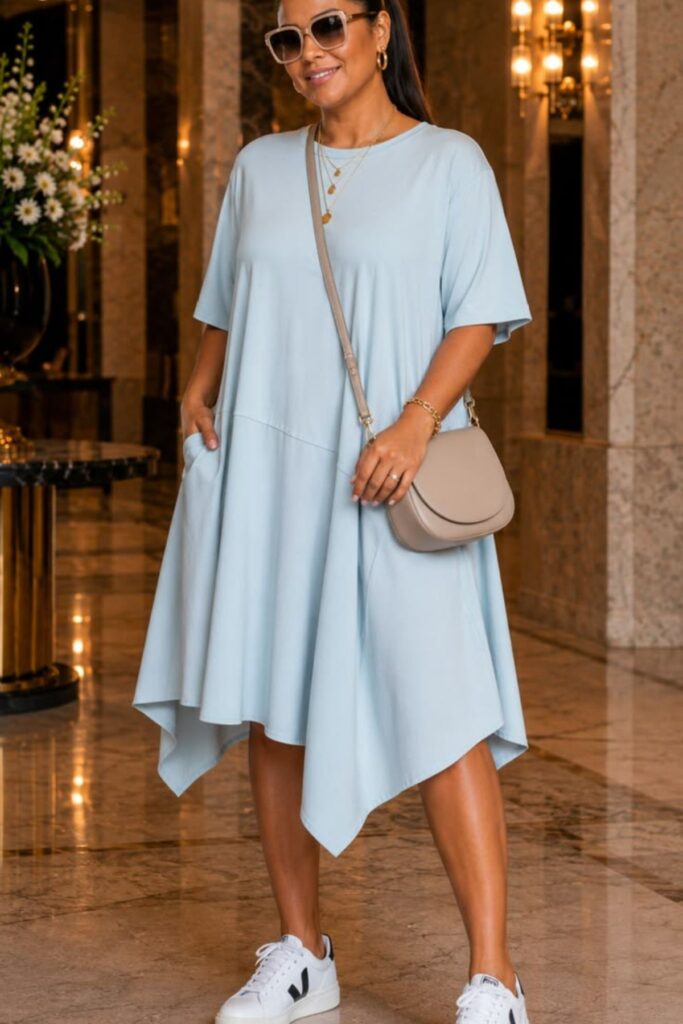
Petite and skinny describe completely different things, yet clothing shoppers sometimes treat them as interchangeable. Petite refers to height and garment proportions, while body size can vary widely.
A petite woman can have curves, a fuller bust, broader shoulders, strong thighs, or a fuller midsection. None of those features cancel out the need for petite proportions.
This matters because buying smaller clothing simply to appear more petite can create uncomfortable outfits.
A jacket might pull across your chest while still having sleeves that are too long. Jeans might fit your waist while becoming restrictive around your hips.
The biggest wardrobe mistake is believing that smaller clothing will automatically make a petite body look more balanced.
Clothing should fit your actual measurements first, then create the visual effect you want.
Instead of sizing down, pay attention to garment construction. A fitted blazer with a shorter length can provide shape without squeezing your body.
A high-rise trouser can define your waist while giving your legs a longer visual line.
Fabric also matters. Stretch denim can provide comfort around the hips, while structured trousers can create a cleaner shape. Soft knitwear can skim the body without adding unnecessary bulk.
Your body does not need to become smaller for your clothes to look better. The better approach is choosing pieces that respect your actual proportions.
Once you separate petite sizing from body size, shopping becomes much less emotional. You stop arguing with the size label and start paying attention to how the garment actually fits.
See Also: Classic Trends That Never Go Out of Style
You Choose Every Piece Separately Instead Of Studying The Full Outfit
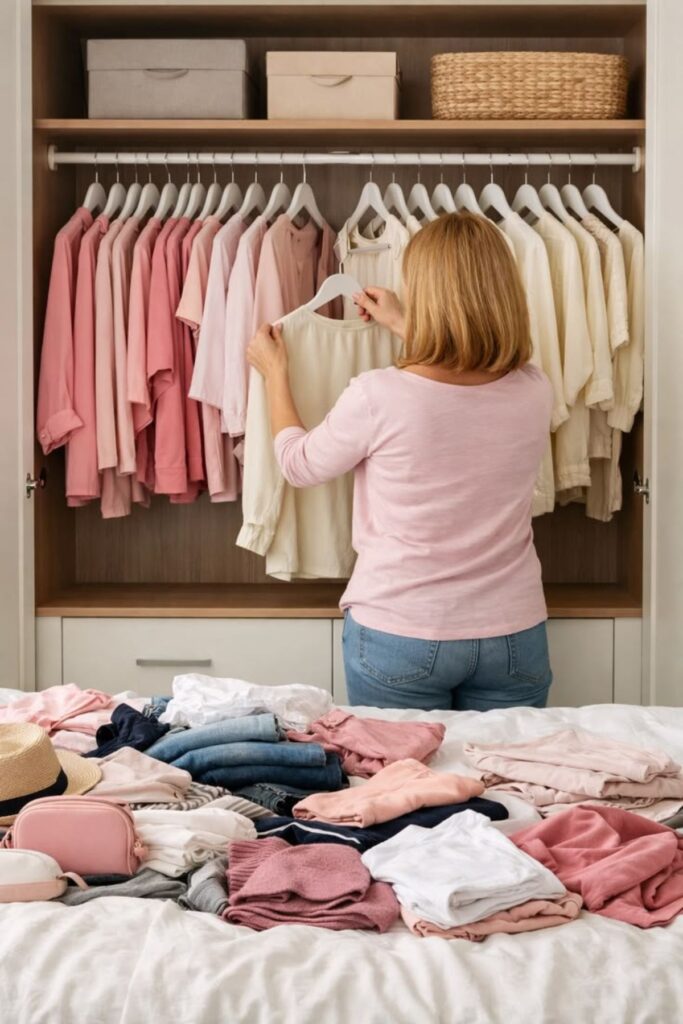
A garment can look perfect by itself and still create a confusing outfit. This happens because clothing works as a group, with each piece affecting the proportions around it.
Petite women can notice this especially with layered outfits. A long cardigan, wide-leg pants, and chunky shoes might each look stylish alone.
Together, however, they can create too much visual weight around a shorter frame.
The biggest wardrobe mistake is judging every purchase separately without imagining how it will work with your existing clothes.
Before buying something, think about at least three outfits you could create with it. Consider your usual shoes, jackets, bags, and tops.
If you cannot imagine wearing the piece with anything you own, pause before purchasing it.
Proportion becomes easier to manage when you view the outfit as one complete picture. A cropped jacket can balance wide-leg pants because it keeps the waist visible.
A fitted top can also create contrast beneath a longer coat.
Shoes deserve attention too. A bulky shoe can visually shorten a trouser leg, while a streamlined shoe can keep the line cleaner.
The right footwear can sometimes make an average outfit suddenly look polished.
You do not need a closet filled with complicated combinations. A few dependable formulas can make getting dressed much easier.
Try taking a quick full-body photo after creating an outfit. The camera can reveal where your outfit feels visually heavy. That little trick can teach you more than staring at the mirror for ten minutes.
Read Also: Runway Trends That Actually Work For Petite Women
You Let Long Layers Cover Your Natural Shape
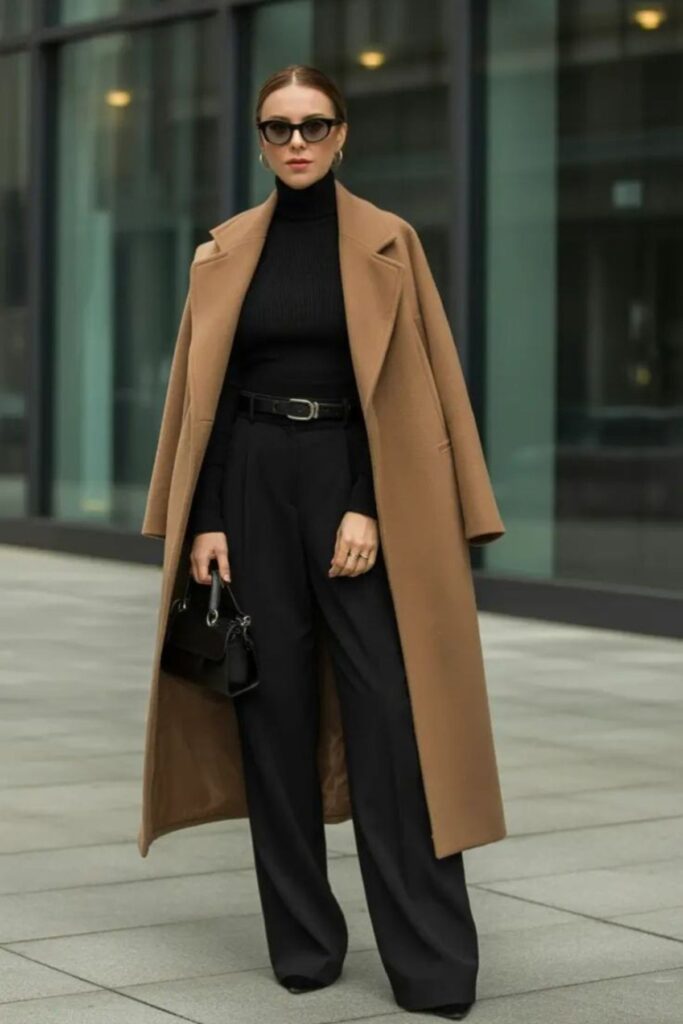
Long layers can create beautiful movement, but petite women should watch where those layers finish.
A cardigan or coat that extends too far can hide the waist and shorten the visible leg line.
This becomes especially noticeable when the bottom layer and outer layer have similar lengths. Your body can appear surrounded by fabric, leaving very little definition between your torso and legs.
The biggest wardrobe mistake is assuming that longer automatically means more flattering. Length can be elegant, but placement matters just as much.
Try opening long layers instead of wearing them completely closed. An open coat creates two vertical lines that can visually frame your body.
This works especially well when the outfit underneath has a clear waistline.
You can also choose lighter fabrics for longer layers. Heavy material can add volume, while a softer fabric often falls closer to your body.
That difference can make a long cardigan feel relaxed rather than overwhelming.
Cropped outerwear offers another easy option. A jacket ending around your natural waist can show more of your legs and create a clearer proportion.
You do not need to avoid long coats just because you are petite. Instead, pay attention to the coat’s shoulder width, fabric weight, sleeve length, and hemline.
A long layer can become one of your strongest wardrobe pieces once you understand its scale. The key is giving the eye somewhere to find your shape underneath it.
Learn: How To Wear This Season’s Biggest Trends If You’re Petite
You Ignore The Importance Of Your Shoes
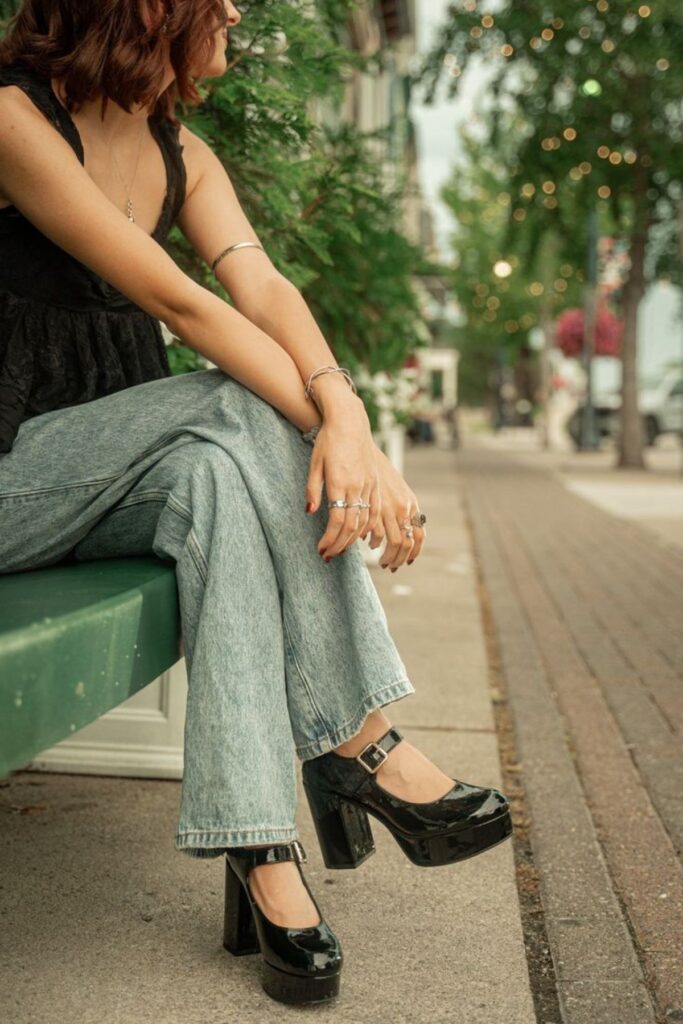
Shoes can quietly change the entire appearance of an outfit. They influence where the eye sees the leg ending, especially when paired with cropped pants, skirts, or dresses.
Petite women sometimes spend considerable time choosing their clothes, then grab any comfortable shoe at the last minute. Comfort matters, but the shoe still needs to cooperate with the outfit.
A visually heavy shoe can make a delicate outfit feel bottom-heavy. A shoe with a contrasting ankle strap can also create a noticeable horizontal break.
That effect may be appealing for some outfits, but it can change the overall proportion.
The biggest wardrobe mistake is treating footwear as an afterthought. Your shoes are part of the silhouette, rather than a separate decision.
Try matching your shoes with the color or tone of your pants when you want a longer visual line.
Pointed-toe shoes can also create a more extended appearance because they add length beyond the toes.
That does not mean you need heels every day. Sneakers, flats, loafers, and boots can all work beautifully for petite women.
The important part is choosing footwear that suits the shape and length of your clothing.
Pay attention to where ankle boots meet your pants or skirt. A strong contrast at that point can create a visual break, while similar tones can make the transition feel smoother.
Your most comfortable shoes can still become your best styling tools. You simply need to consider their relationship with the rest of the outfit.
For more practical petite styling ideas, this petite styling guide offers useful advice about proportions and garment lengths.

9 Comments