25 Fashion Mistakes That Make Petite Women Look Shorter
Getting dressed as a petite woman can feel frustrating when an outfit looks great on the hanger but somehow swallows you once you put it on. Many fashion mistakes that make petite women look shorter come from small proportion issues rather than the clothes themselves.
The good news is that you do not need to avoid every oversized trend or live in high heels to look taller. A few smart adjustments can create better balance, cleaner lines, and a more flattering overall appearance. Here are the fashion mistakes that make petite women look shorter, plus simple ways to fix them.
Related Post: 25 Styling Tricks That Make Petite Women Look Taller
25 Fashion Mistakes That Make Petite Women Look Shorter
1. Wearing Clothes That Are Too Oversized
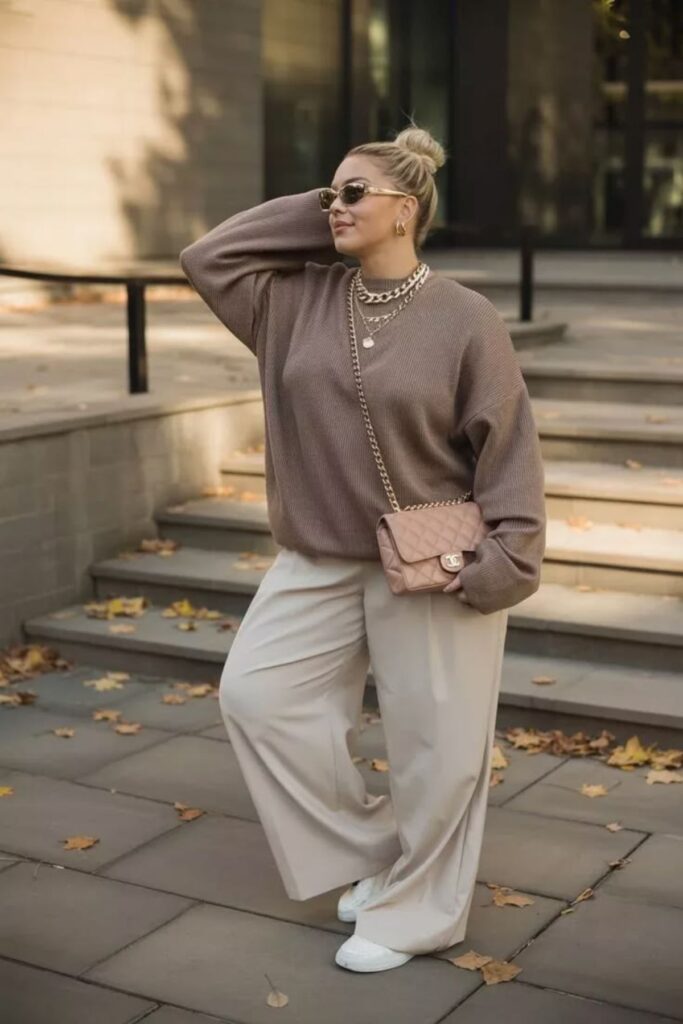
Oversized clothing can look effortlessly cool, but too much volume can overwhelm a petite frame.
When a sweater covers your hips, your sleeves hide your hands, and your pants pool around your shoes, your body can disappear inside the outfit.
That does not mean petite women need to avoid relaxed clothing altogether. The trick is choosing one roomy piece instead of making every part of your outfit oversized.
For example, try pairing a loose sweater with slim straight-leg jeans. You could also wear wide-leg pants with a fitted or cropped top that defines your waist.
Petite clothing often adjusts details such as inseams, sleeve lengths, rises, and hemlines for smaller proportions.
If you love an oversized coat, look for one with a shorter length or defined shoulders. A little structure can keep the outfit from looking like you borrowed someone else’s clothes.
The goal is balance, because clothes should complement your frame rather than completely hide it.
2. Choosing Pants With Too Much Fabric At The Ankle
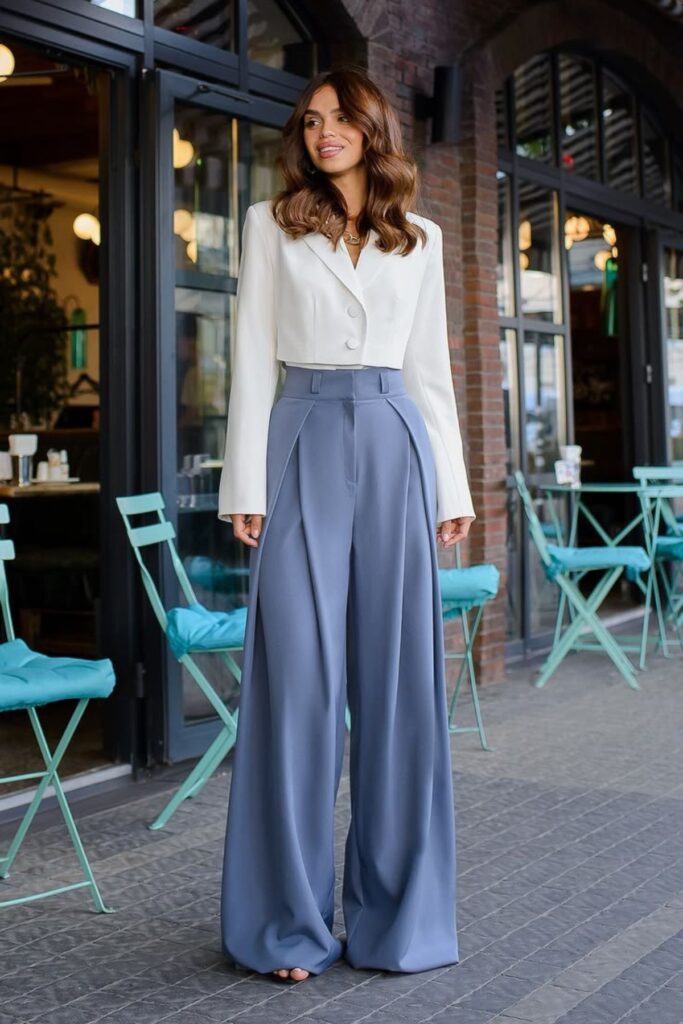
Extra fabric around your ankles can make your legs look shorter, especially when the pants bunch heavily above your shoes.
This happens frequently with jeans and wide-leg trousers because regular lengths are often too long for petite women.
Instead of creating a long, clean line, the excess fabric creates several horizontal folds that interrupt the shape of your legs.
Try petite inseams when available, or have your favorite trousers shortened to the right length. The hem should usually skim your shoe rather than pile dramatically around it.
High-rise jeans can also help because they visually place your waist higher and give your legs more room to appear longer.
If you enjoy wide-leg pants, you do not need to give them up. Choose a pair with enough length to create a clean line, but not so much that your shoes disappear.
A good hem can make an ordinary pair of pants look surprisingly polished.
Related Post: Wide-Leg Pants for Petite Women and How to Wear Them
3. Wearing Tops That Fall Too Far Below The Hips
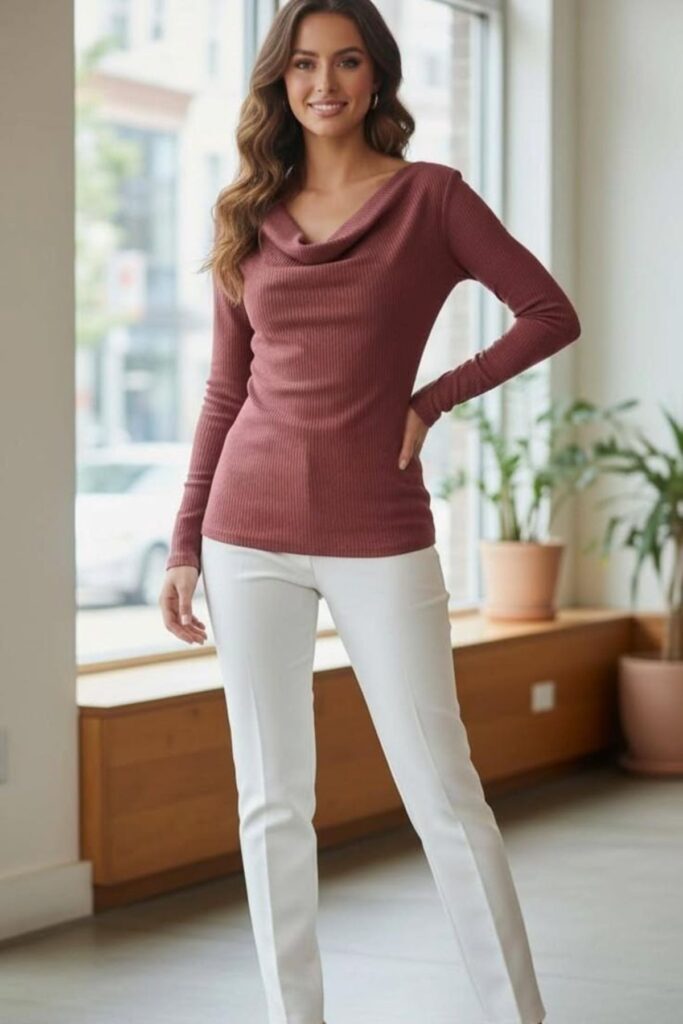
A long top can visually shorten your legs because it covers the area where your lower body begins.
This is especially noticeable when the shirt ends at the widest part of your hips and you pair it with low-rise pants.
Instead of creating a clean vertical shape, the outfit can make your torso appear longer and your legs appear shorter.
Try tops that finish around your natural waist or upper hip. Cropped styles can work particularly well because they reveal more of your lower body and create a clearer waistline.
You can also tuck a longer shirt into high-rise jeans or trousers. That simple move changes the visual starting point of your legs without requiring a completely new wardrobe.
If you prefer longer tops, choose one with a slimmer shape and pair it with fitted bottoms.
Think of your waist as the outfit’s punctuation mark. Giving it some definition can make the entire look feel more organized.
4. Ignoring Your Natural Waistline
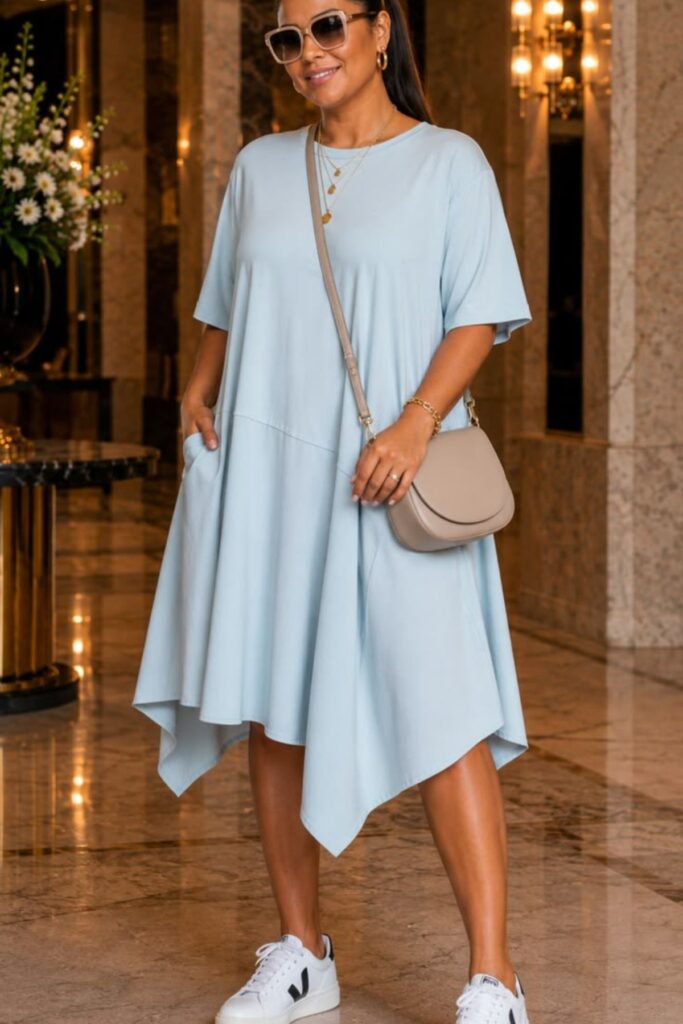
Your natural waist can be one of your best styling tools, yet it is easy to hide beneath loose sweaters, long jackets, or shapeless dresses.
When your waist disappears, your torso and legs can visually blend together. That can make your entire body look shorter, even when the clothes themselves fit correctly.
Try tucking your blouse into high-rise pants or adding a slim belt to a dress. A cropped jacket can also stop around the waist and create a clear break between your upper and lower body.
You do not need to wear tight clothing to define your waist. A softly fitted blouse, wrap dress, or structured cardigan can create shape without feeling restrictive.
This is especially useful when wearing wide-leg pants because the volume below your waist needs some visual balance above it.
If belts are your thing, choose a narrower style that does not overpower your outfit. Keeping the belt close to the color of your clothing can create a smoother appearance.
The idea is simple: give the eye a clear place to recognize your proportions.
5. Wearing Dresses With An Awkward Hemline
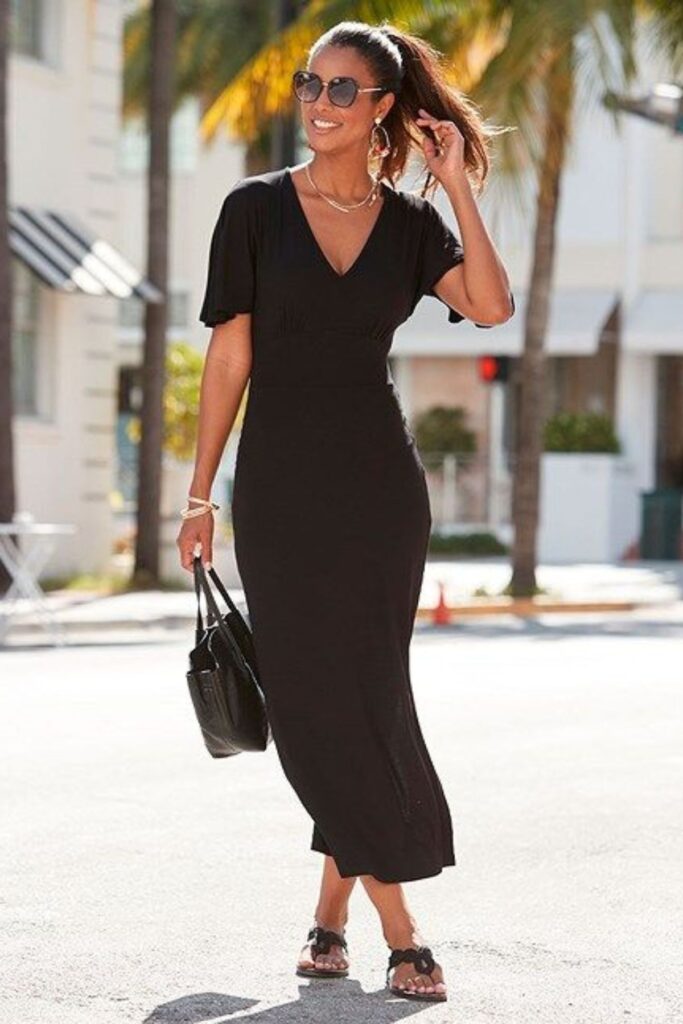
The wrong dress length can completely change how a petite frame looks.
A dress that ends at an awkward point on your calf can create a strong horizontal line, making your legs appear shorter. This can be especially noticeable with midi dresses that fall directly across the widest part of the calf.
That does not mean petite women should avoid midi dresses. Far from it. The key is finding a length that works with your proportions.
Try dresses that finish above the ankle or around a narrower part of your lower leg. You can also experiment with shorter hemlines if you feel comfortable showing more leg.
Shoes can help, too. A pointed-toe flat or low-cut shoe can reveal more of the foot and create a longer visual line.
Before buying a dress online, check the garment measurements instead of relying only on the model’s photograph.
Models can have very different proportions from yours, which can make the same dress look completely different.
A good hemline should feel intentional rather than accidental.
6. Breaking Your Outfit Into Too Many Contrasting Colors
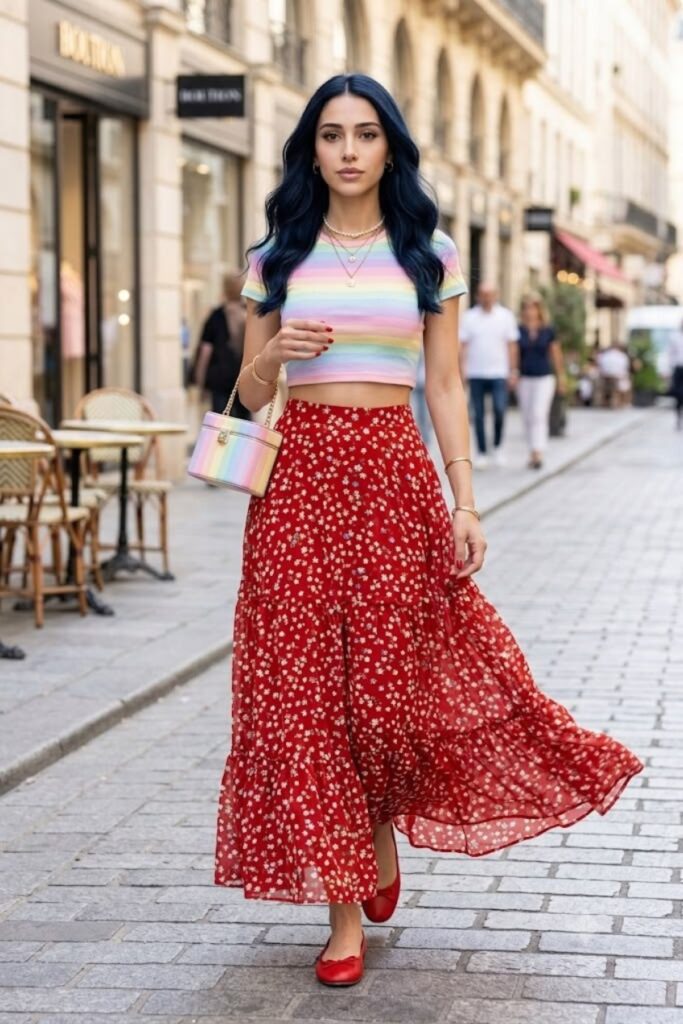
Color can be fun, expressive, and incredibly flattering, but too many strong color breaks can visually divide a petite frame.
Imagine wearing a bright top, a contrasting belt, a different-colored skirt, and bold shoes. Each piece may look fantastic alone, but together they can create several horizontal stopping points.
Those visual breaks can make your body appear shorter because the eye keeps jumping from one color to another.
Try wearing shades that belong to the same color family when you want a longer-looking silhouette. A cream top with beige pants or a navy blouse with dark blue jeans can create a smoother transition.
You can still add personality through jewelry, handbags, shoes, or a colorful jacket.
Monochromatic dressing is another useful option because one dominant color creates a more continuous visual line.
You do not have to dress in black from head to toe. Think of tonal dressing as keeping the colors friendly rather than making every garment compete for attention.
7. Choosing Extremely Wide Leg Pants Without Balance
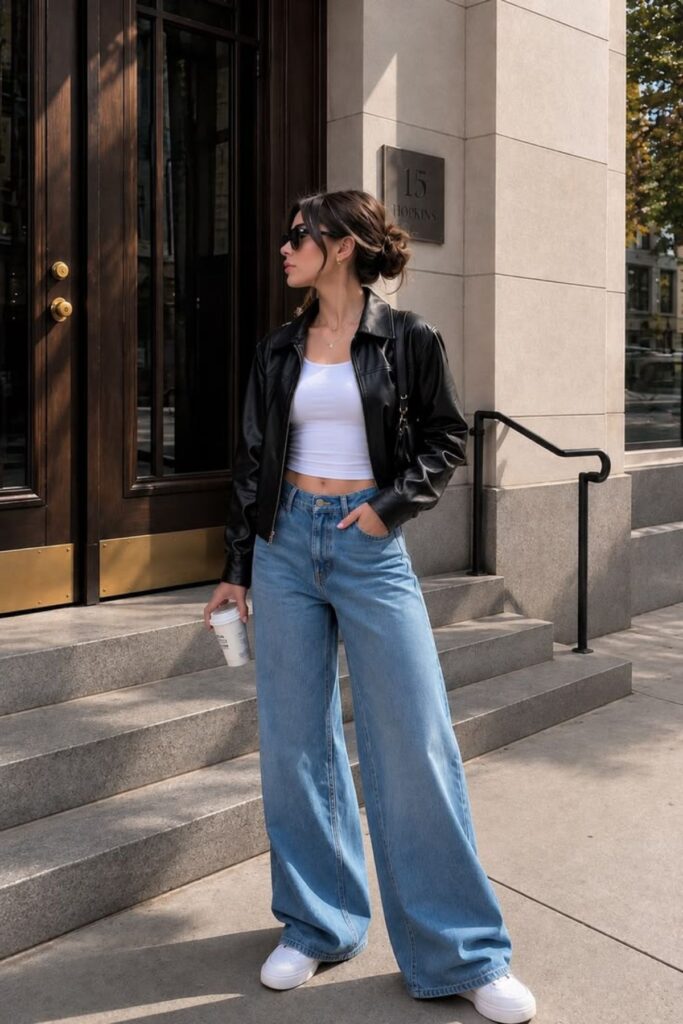
Wide-leg pants can look fantastic on petite women, but the wrong combination can overwhelm a smaller frame.
The problem usually is not the width itself. It is the relationship between the pants, the top, the waistline, and the hem.
If your pants are extremely wide, very long, and paired with a long oversized top, your body can disappear inside the fabric.
That combination creates a lot of volume without giving the eye a clear waist or leg line.
Try a high-rise wide-leg pant with a tucked blouse or fitted top. A cropped jacket can also work beautifully because it keeps your waist visible.
The hem matters just as much. Your pants should create a smooth line over your shoes instead of dragging across the floor.
8. Wearing Jackets That Are Too Long
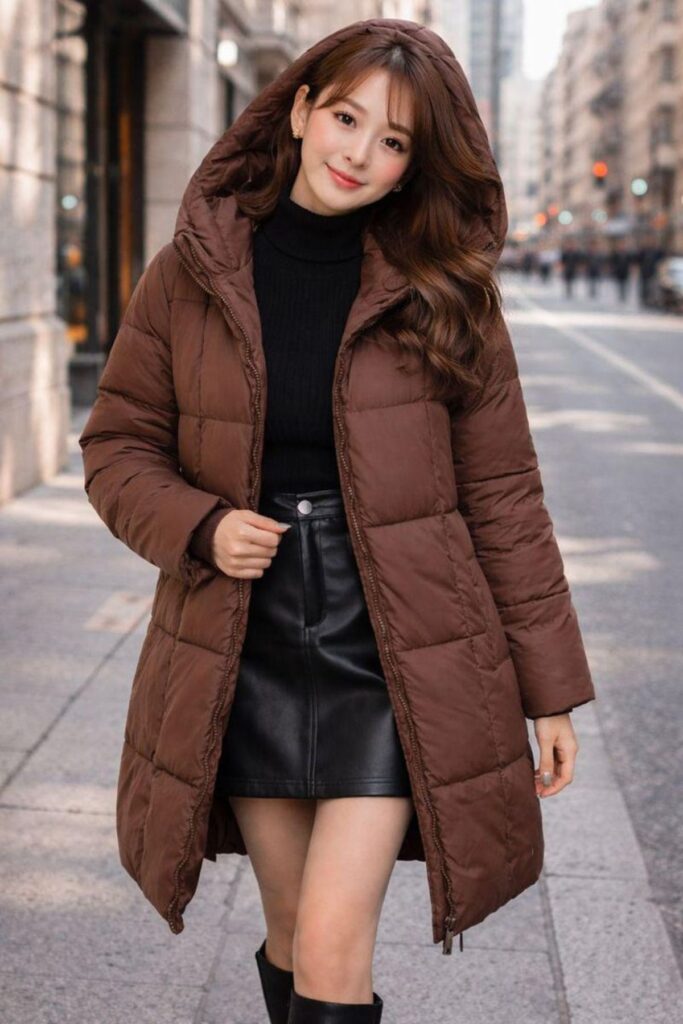
A long jacket can be beautiful, but the wrong length can make a petite body look shorter by covering too much of the legs.
This is especially noticeable when the jacket ends near the middle of your thigh and you wear it with pants that already have a low waist.
The combination can make your legs look like they start much lower than they actually do.
Try cropped jackets, waist-length styles, or jackets that finish around the upper hip. These lengths can reveal more of your lower body and create a stronger sense of proportion.
If you love longer coats, look for styles with a defined waist or a clean, narrow silhouette. A belt can also help create shape instead of allowing the coat to hang straight from your shoulders.
Unbuttoned jackets can sometimes create a long vertical line, especially when the layers underneath use similar colors.
9. Choosing Shoes That Visually Cut Off Your Legs
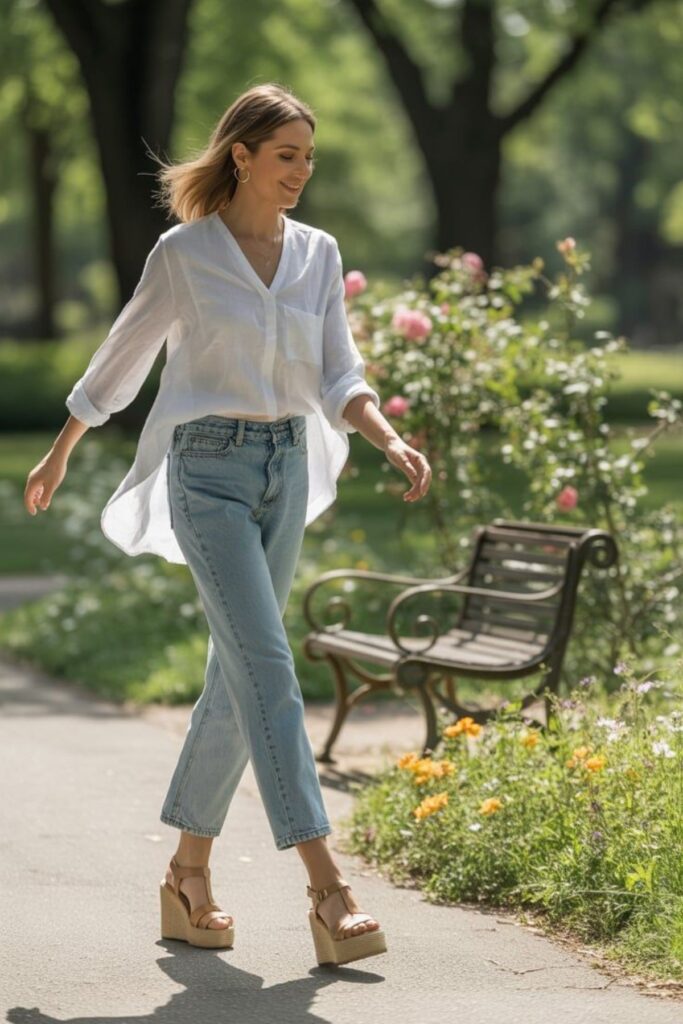
Shoes can either help your outfit flow or create another visual break.
A thick ankle strap, high-contrast shoe, or boot that stops at an awkward point can make the leg appear divided.
This effect becomes stronger when the shoe color contrasts sharply with your pants or bare legs.
Try shoes that create a smoother transition with what you are wearing. Nude or skin-toned shoes can blend with bare legs, while shoes close to the color of your pants can continue the line downward.
Pointed-toe flats are another useful choice when you want a little extra visual length without wearing heels.
That said, you absolutely do not need heels to look taller. Comfort matters, and there are plenty of flats that create a sleek shape.
See Also: 51 Minimalist Fashion Ideas For Petite Women
10. Wearing Low-Rise Bottoms With Long Tops

Low-rise bottoms can make petite women look shorter because they visually move the waist downward.
When a long top is added, the effect becomes even stronger because the legs appear to begin much lower than they actually do.
If you enjoy low-rise jeans or trousers, try pairing them with a shorter top that stops around your natural waist. This creates a clearer division between your torso and legs.
High-rise bottoms are often easier to style when your goal is a longer-looking silhouette. They place the waistband higher and give your legs more visual space.
You can also tuck a longer blouse into your pants, then pull a small amount of fabric loose for a relaxed appearance. That keeps the waist visible without making the outfit feel stiff.
Check Out: The Best Petite Clothing on Amazon
11. Wearing Large Prints That Overwhelm Your Frame
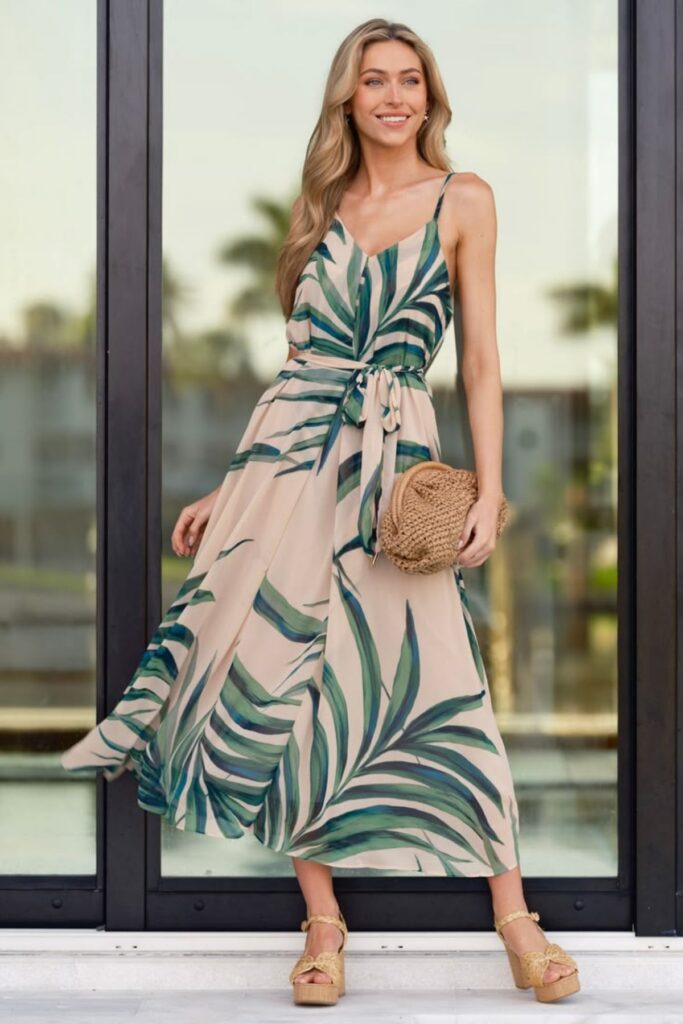
Bold prints can bring personality to an outfit, but extremely large patterns may overpower a petite frame.
A huge floral design, oversized geometric pattern, or very large graphic can become the first thing people notice. When the print dominates the clothing, your actual proportions can become less visible.
That does not mean petite women should stick to tiny patterns forever. The better approach is choosing prints that complement your scale.
Medium-sized patterns can offer enough visual interest without making the garment feel larger than your body. Vertical or elongated patterns can also help create a more continuous appearance.
If you love a dramatic print, consider wearing it on one piece while keeping the rest of your outfit relatively simple.
A printed blouse with solid trousers can look much more balanced than several competing patterns.
You can also use prints strategically. A patterned top can draw attention upward, while a simpler bottom keeps the lower half visually clean.
Discover: Luxury Petite Brands Worth The Investment
12. Letting Your Sleeves Cover Your Hands
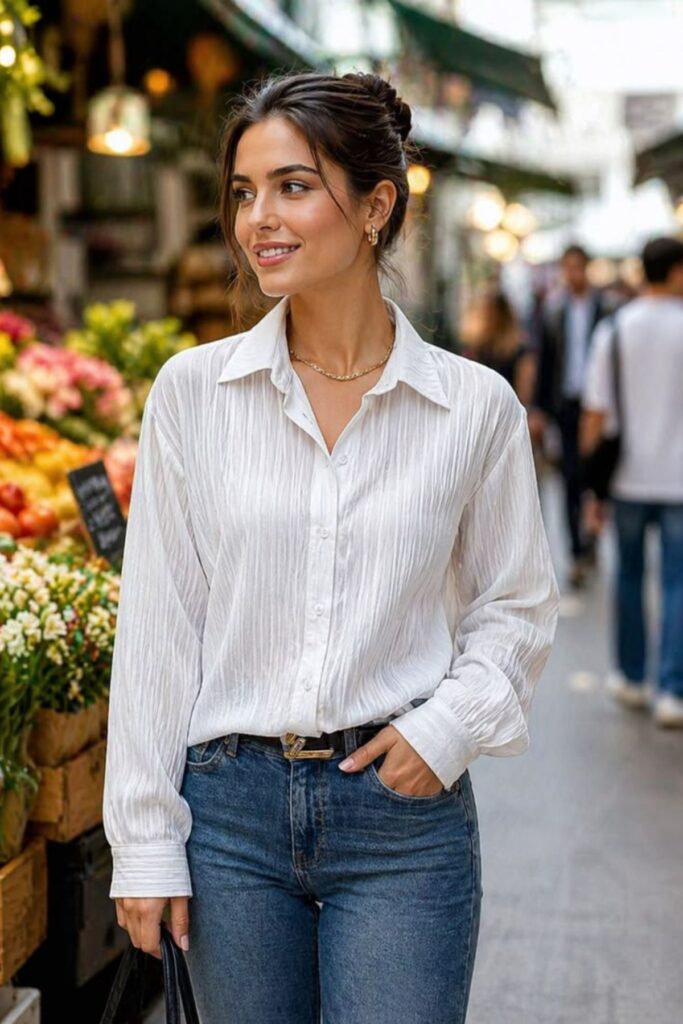
Sleeves that extend far beyond your wrists can make a petite outfit look oversized, even when the rest of the garment fits reasonably well.
This issue is easy to overlook because many shoppers focus on the bust, waist, and hip measurements first. Yet sleeve length can dramatically affect how polished an outfit appears.
When sleeves cover your hands, they add visual bulk around your arms and can make your entire upper body look smaller by comparison.
Try petite blazers, jackets, and sweaters when possible, since their sleeve proportions are often adjusted for shorter frames.
You can also roll or push up sleeves on casual pieces. Showing a little wrist creates a lighter appearance and gives your outfit some breathing room.
Three-quarter sleeves can work particularly well for petite women because they reveal more of the arm without requiring a drastic change to the garment.
If you are buying a jacket online, check the sleeve measurement before ordering. A jacket that fits perfectly across your shoulders may still need a simple alteration at the wrists.
13. Wearing A Belt That Is Too Wide
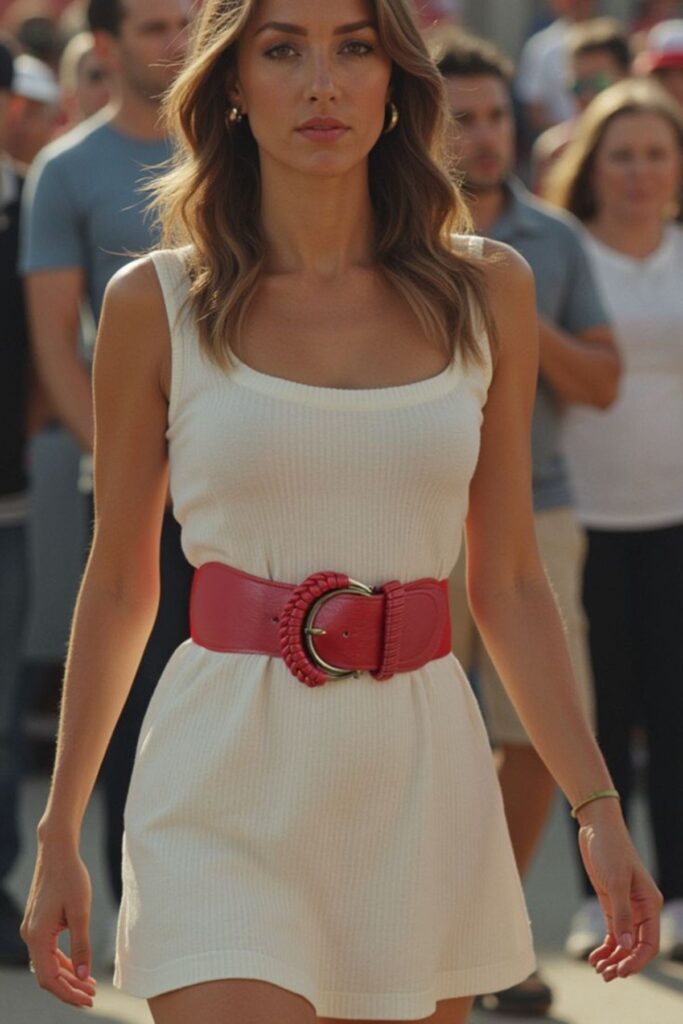
A belt can define your waist beautifully, but an extremely wide belt can create a strong horizontal line across your body.
That line can visually divide your outfit and make your torso look shorter. The effect becomes stronger when the belt contrasts sharply with the clothing around it.
Petite women can often get a smoother result from narrow or medium-width belts. These styles define the waist without becoming the main feature of the outfit.
Color also matters. A belt that closely matches your dress or pants creates less contrast and allows the overall outfit to flow more smoothly.
You can use belts with dresses, skirts, trousers, and jeans, so there is no need to treat them as a special-occasion accessory.
If you love statement belts, try wearing one with a simple monochromatic outfit. The belt can become the focal point while the rest of your clothing provides a clean background.
Another useful trick is placing the belt at your natural waist rather than letting it sit low on your hips.
The goal is to define your proportions without cutting your outfit into two visually separate sections.
14. Choosing Cropped Pants At The Wrong Length
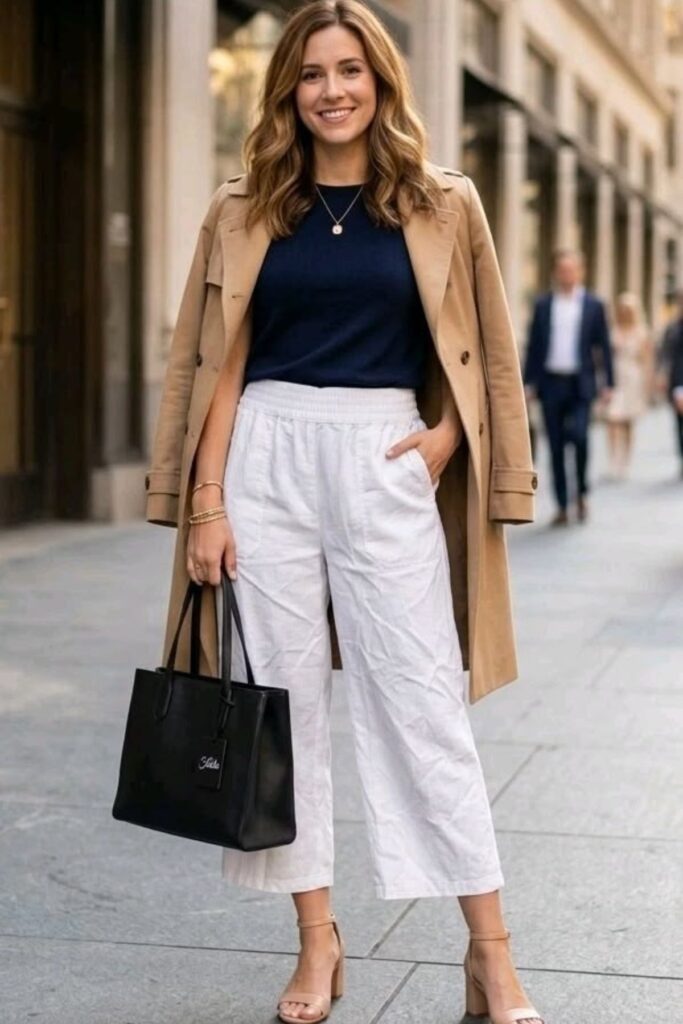
Cropped pants can be incredibly flattering, but the exact stopping point matters.
A pair that ends at a narrow part of the ankle can look intentional and stylish. Another pair that stops at the widest part of the calf may create a strong horizontal line that makes your legs appear shorter.
This is one reason petite women sometimes feel confused about cropped trousers. The same style can look completely different depending on where the hem lands.
Try cropped pants that finish just above the ankle or at another naturally narrow point on your leg. Then pair them with shoes that reveal some of your foot.
If your pants are cropped but the hem sits awkwardly, a tailor may be able to adjust the length without changing the overall shape.
Color can also help. Wearing shoes close to the color of your pants can reduce the visual break between the hem and your feet.
You can still enjoy cropped denim, ankle pants, and culottes. Just check the proportions before assuming the style is working against you.
Sometimes the problem is not the garment itself, but those extra two inches that nobody thought would matter.
15. Wearing Too Many Horizontal Lines
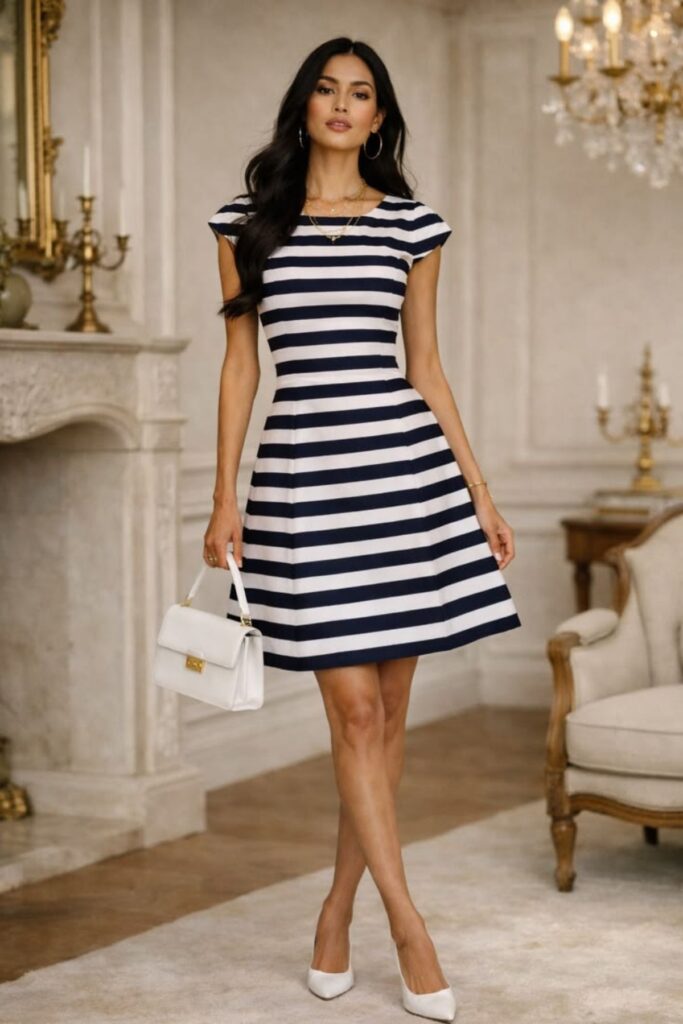
Horizontal lines naturally draw the eye from side to side, so too many of them can make a petite frame appear wider and shorter.
This can happen through striped shirts, contrasting belts, cropped jackets, cuffed pants, color-blocked outfits, and shoes that create sharp breaks between the legs and feet.
None of these pieces is automatically wrong. The problem usually appears when several of them are combined in one outfit.
For example, a striped cropped sweater with a contrasting belt, cuffed jeans, and ankle-strap shoes creates several horizontal stopping points.
Instead, try balancing one horizontal element with longer vertical lines. A striped top can work beautifully with high-rise trousers and a long open cardigan.
You can also choose thinner stripes when you want a softer visual effect.
Vertical seams, open jackets, long necklaces, and trousers with a clean crease can help direct the eye up and down.
The goal is not to eliminate every horizontal detail from your closet. That would make getting dressed about as exciting as eating plain toast every morning.
Use horizontal lines sparingly, then let the rest of your outfit create movement from top to bottom.
16. Carrying A Handbag That Is Too Large
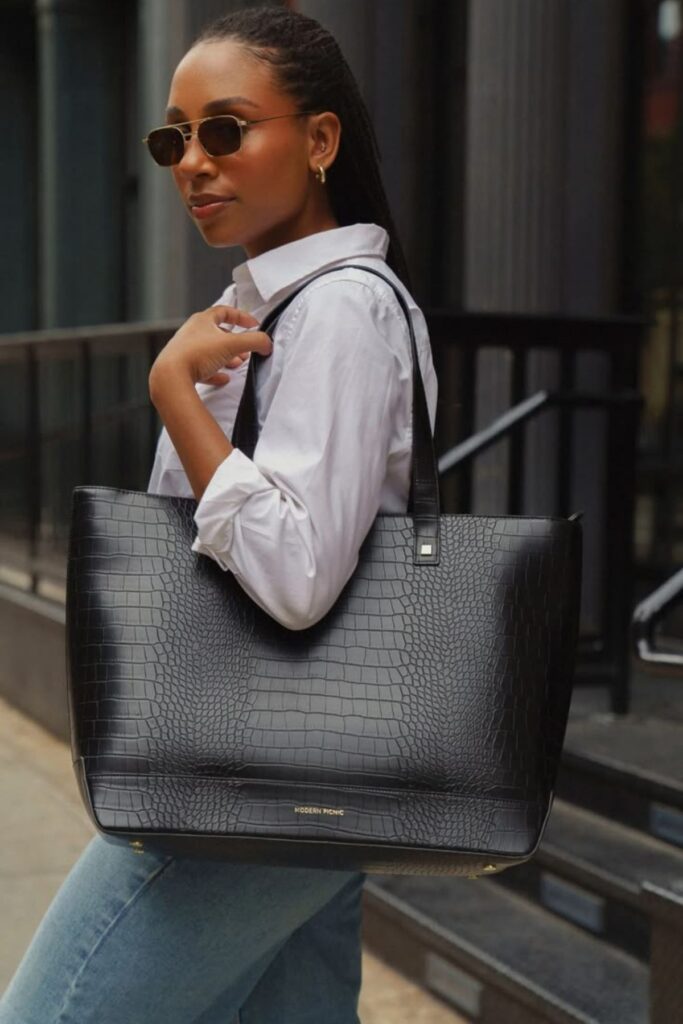
A giant handbag may seem practical, especially when you carry half your life around every day, but it can overwhelm a petite frame.
When the bag is almost as large as your torso, it can become a major visual block. That can make your body appear smaller and shorter beside it.
You do not need to switch to a tiny purse that barely holds your phone. Instead, choose a bag with proportions that feel compatible with your frame.
Medium-sized shoulder bags, structured crossbody bags, and smaller totes can provide plenty of space without dominating your outfit.
The way you carry the bag also matters.
A crossbody that falls around your upper hip can create a diagonal line, while a shoulder bag positioned around your waist can help keep the visual weight closer to your body.
Color can make a difference too. A bag that coordinates with your clothing tends to blend more easily than one that creates a dramatic contrast.
If you love oversized bags, keep the rest of the outfit relatively streamlined. Your handbag should carry your essentials, not steal the starring role from you.
17. Wearing Long Necklaces That Hang Too Low
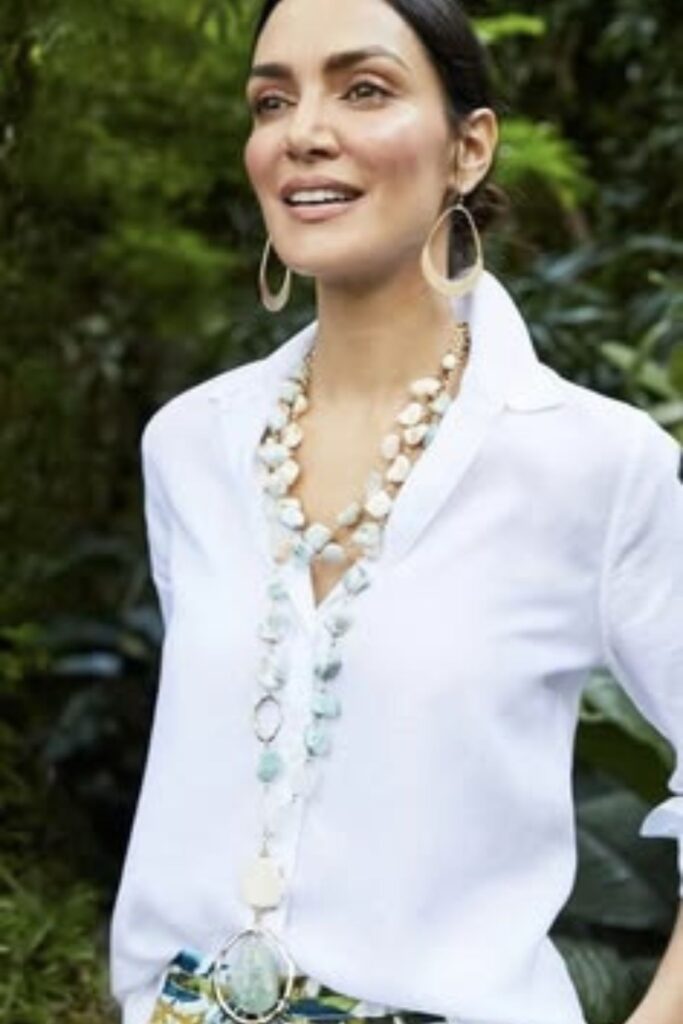
Long necklaces can add elegance to an outfit, but a necklace that extends too far down your torso can sometimes make your upper body look longer.
This can be especially noticeable when the necklace ends near your stomach or below your natural waist.
Shorter necklaces can keep attention closer to your face and neckline. Pendant necklaces can also work well when the pendant falls around the upper chest rather than much lower.
The neckline of your top matters, too. A V-neck with a simple pendant can create a natural downward line without adding unnecessary length.
If you enjoy long necklaces, try wearing them with a shorter top or a high-waisted bottom. That can prevent the accessory from creating an overly long torso.
You can also layer shorter necklaces instead of relying on one extremely long piece.
Accessories should support the proportions of your outfit, and necklaces are no exception.
A petite frame can carry statement jewelry beautifully, but scale and placement make a difference. Sometimes moving a necklace just a few inches higher can make the entire outfit feel more balanced.
The right accessory should frame you rather than visually stretch one part of your body too far.
18. Wearing Oversized Shoes
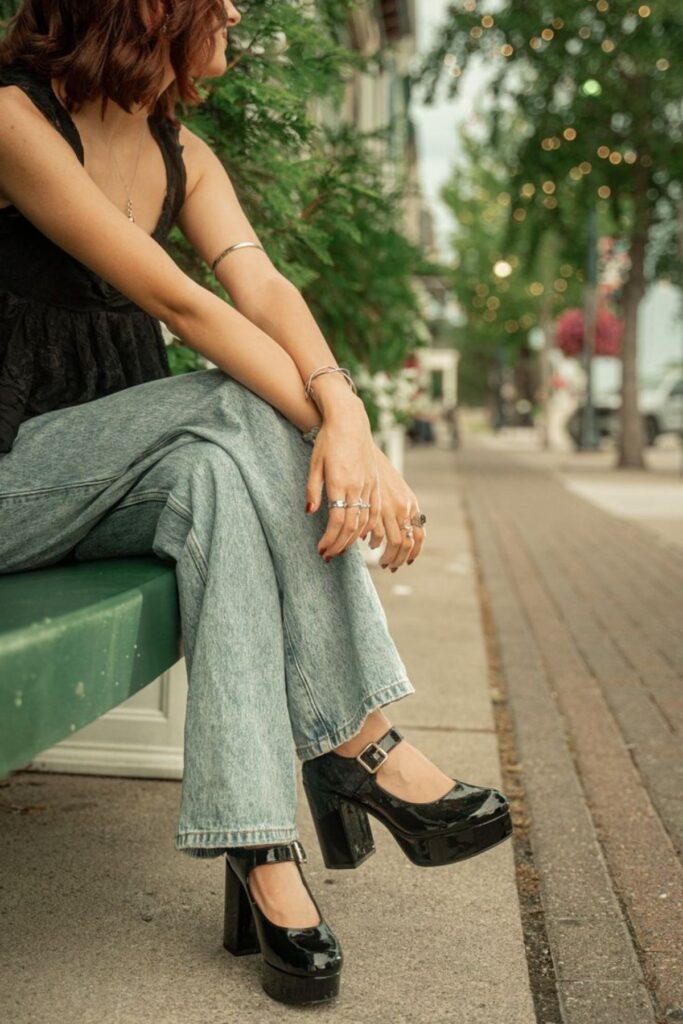
Chunky sneakers and oversized boots have become popular, and petite women can absolutely wear them.
However, very bulky footwear can sometimes make your feet look disproportionately large while making your legs appear shorter.
The effect becomes stronger when oversized shoes are paired with cropped pants or a wide-leg silhouette.
If you love chunky footwear, balance it with clothing that has some structure. A high-rise straight-leg jean can create a cleaner transition into a substantial sneaker.
You can also choose shoes with a slightly elongated shape instead of extremely rounded or bulky designs.
Pointed-toe flats, sleek loafers, streamlined sneakers, and low-profile boots can create a lighter visual finish.
This does not mean you need to give up comfort for the sake of looking taller. A comfortable shoe that works with your outfit is far more useful than a beautiful shoe you cannot walk in.
Pay attention to the entire leg line instead of judging the shoe by itself.
19. Wearing Dresses With A Dropped Waist
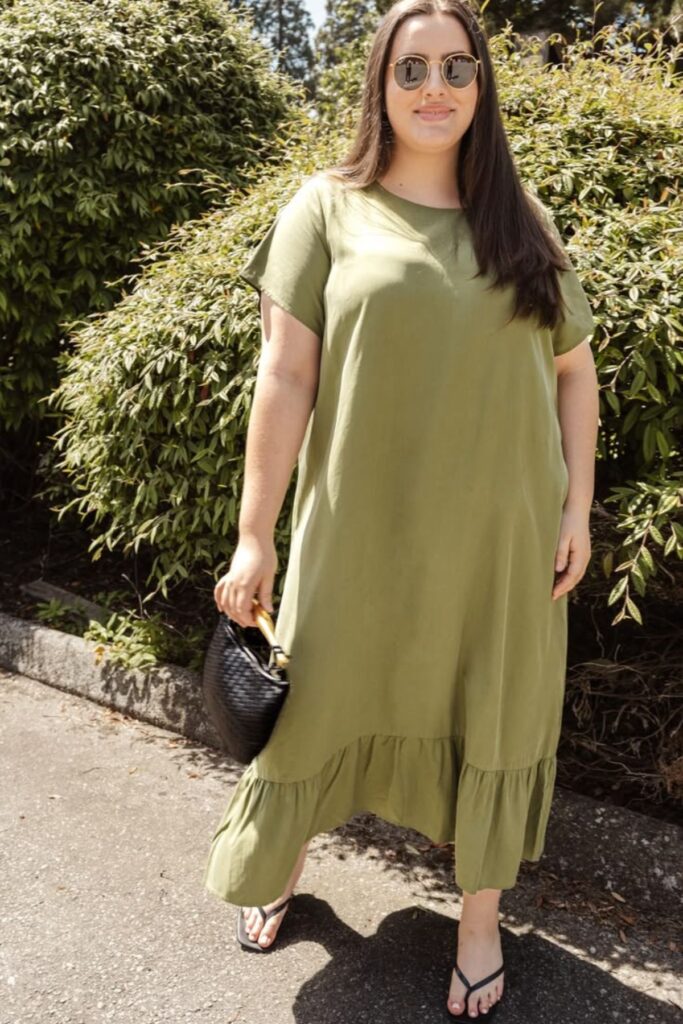
Dropped-waist dresses can look fashionable and playful, but their construction can make petite women appear shorter.
The style moves the waistline lower than your natural waist, which can visually lengthen your torso while reducing the apparent length of your legs.
If your goal is to create a taller-looking silhouette, dresses with a defined natural waist are often easier to style.
Wrap dresses, fit-and-flare dresses, and high-waisted styles can help place the visual focus higher on your body.
You can also use a slim belt to bring definition back to your natural waist when a dress feels too loose or low.
That small adjustment can completely change the appearance of the garment.
If you love dropped-waist dresses, you certainly do not have to banish them from your closet. Try choosing shorter versions or wearing them with shoes that create a continuous line with your legs.
20. Wearing A Tunic Over Low-Rise Pants
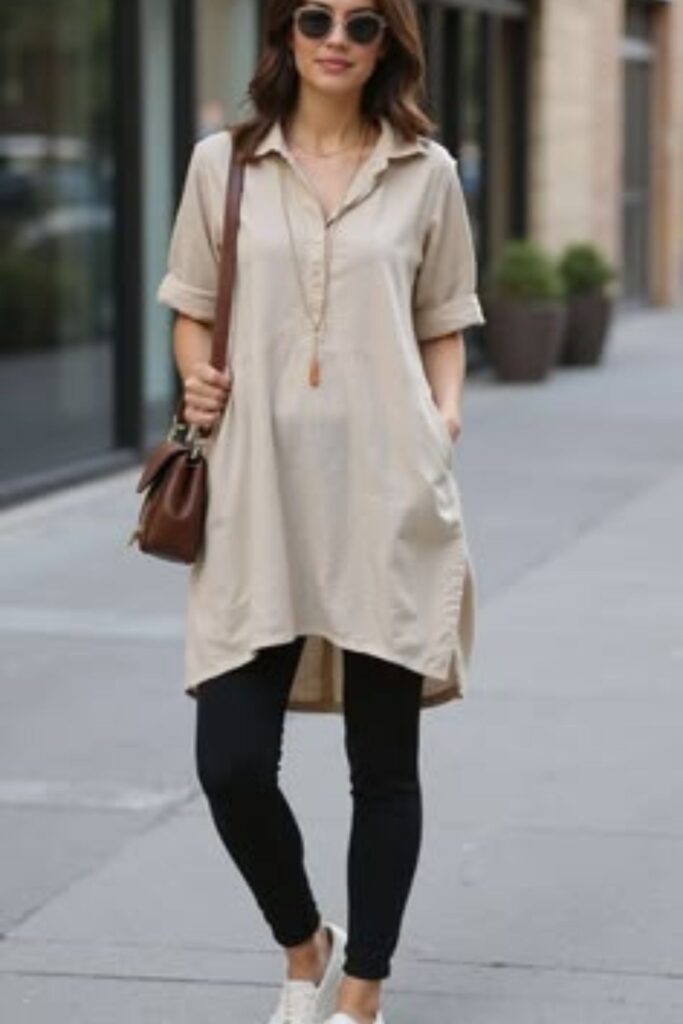
Long tunics can be comfortable and stylish, but pairing one with low-rise pants can make a petite frame look compressed.
The tunic covers much of your hips and upper legs, while the low waistband pushes the apparent starting point of your legs even lower.
The result can make your torso look longer and your legs look noticeably shorter.
If you love tunics, try wearing them with higher-rise pants instead. The higher waistband creates a better foundation and gives your legs more visual space.
You can also choose a tunic with side slits or a slightly shorter front hem. Those details can reveal more of your legs without sacrificing the relaxed feel.
Another option is wearing a shorter fitted top underneath an open cardigan or lightweight jacket. This gives you the comfort of layers while keeping some waist definition visible.
The same principle applies to oversized button-down shirts and long sweaters.
21. Wearing Pants With An Extremely Long Rise
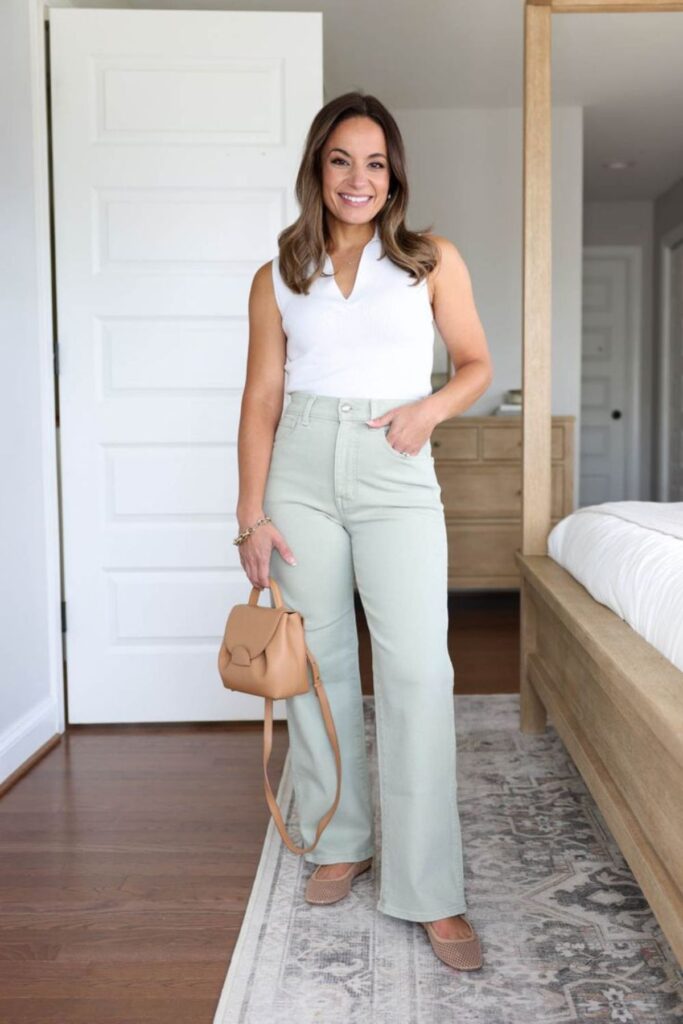
The rise of your pants can have a surprising effect on how your proportions look. If the rise is excessively long, the waistband may sit higher than your natural waist and create an unusual amount of fabric through the torso.
For petite women, that can make the upper body appear longer while making the legs seem less prominent. The problem becomes more noticeable when the pants also have a very loose fit through the hips and thighs.
Instead, look for high-rise pants with a rise that actually matches your body. The waistband should sit comfortably around your natural waist without bunching or creating excess fabric.
A properly fitted high-rise pair can still give you the leg-lengthening effect you want without making your torso look stretched.
Pay attention to the rise measurement when shopping online, especially if you have a shorter torso.
Trying different cuts can help you discover whether a standard high rise, ultra-high rise, or mid-rise works best for you.
22. Choosing Coats That Swallow Your Frame
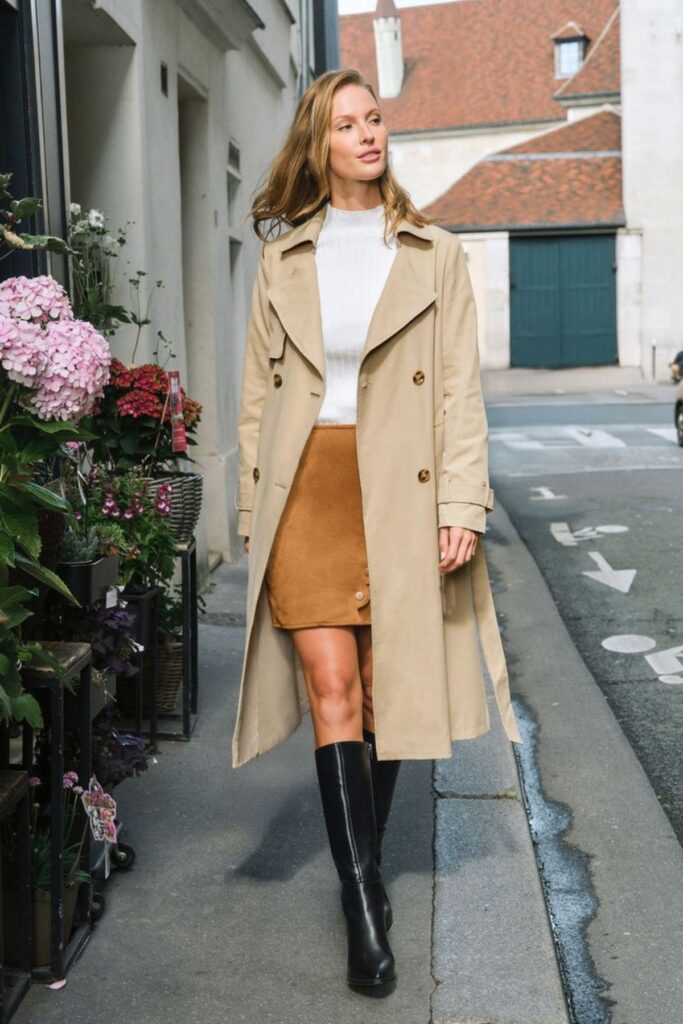
A beautiful winter coat can quickly become a petite woman’s biggest styling challenge when it is too bulky or excessively long.
Oversized shoulders, thick fabric, wide sleeves, and a hem that reaches far below the knees can make your entire body look smaller underneath the coat.
Instead of avoiding long coats completely, look for designs with some structure.
A coat with defined shoulders, a clean front, and a narrower shape can provide warmth without creating unnecessary bulk.
Shorter coats can also be useful, especially when they finish around the hip or upper thigh. These lengths reveal more of your legs and can make everyday outfits feel lighter.
If you prefer a longer coat, try one with a belt or shaped waist. Creating some definition prevents the garment from hanging like a large rectangle around your body.
23. Wearing Too Many Oversized Layers At Once
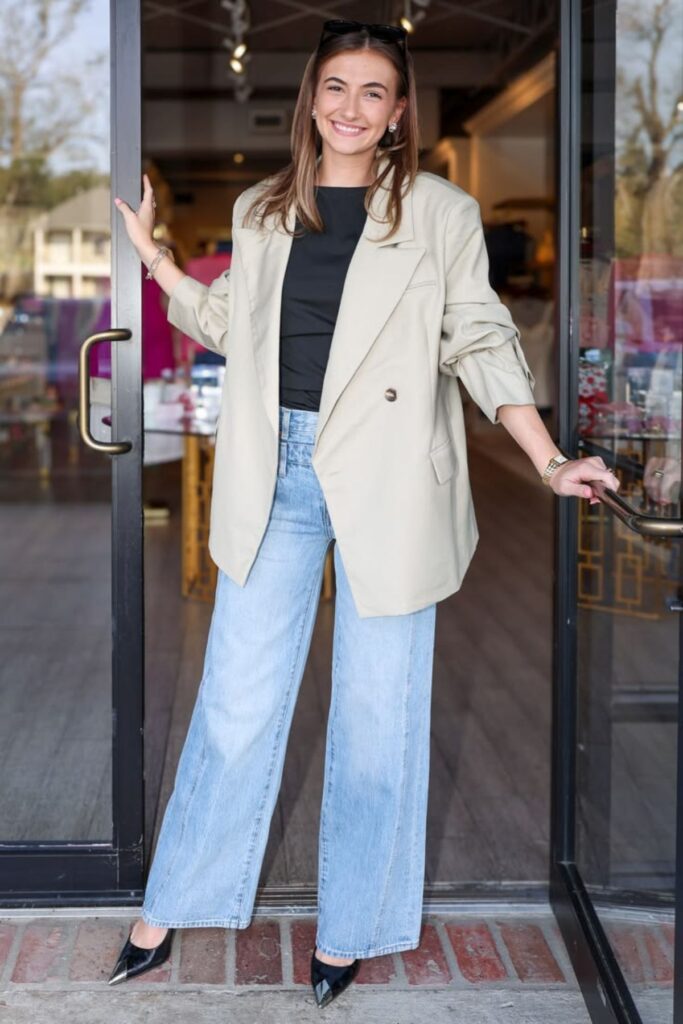
Layering can make an outfit interesting, but stacking several oversized pieces can quickly overwhelm a petite frame.
Imagine a chunky sweater underneath a long cardigan, followed by a large coat and wide-leg pants. Every piece may be comfortable, but the combined volume can hide your shape completely.
Instead, vary the proportions of your layers. A fitted turtleneck can work underneath a relaxed cardigan, while a shorter jacket can balance wide-leg trousers.
You can also keep one layer oversized while making the other pieces more streamlined.
Another useful trick is showing some wrist, ankle, neckline, or waist. Those small areas of exposed skin can prevent a layered outfit from feeling heavy.
You do not have to avoid cozy clothing just because you are petite. The goal is to make the layers look intentional rather than stacked randomly.
24. Wearing The Wrong Bra Or Undergarment Fit
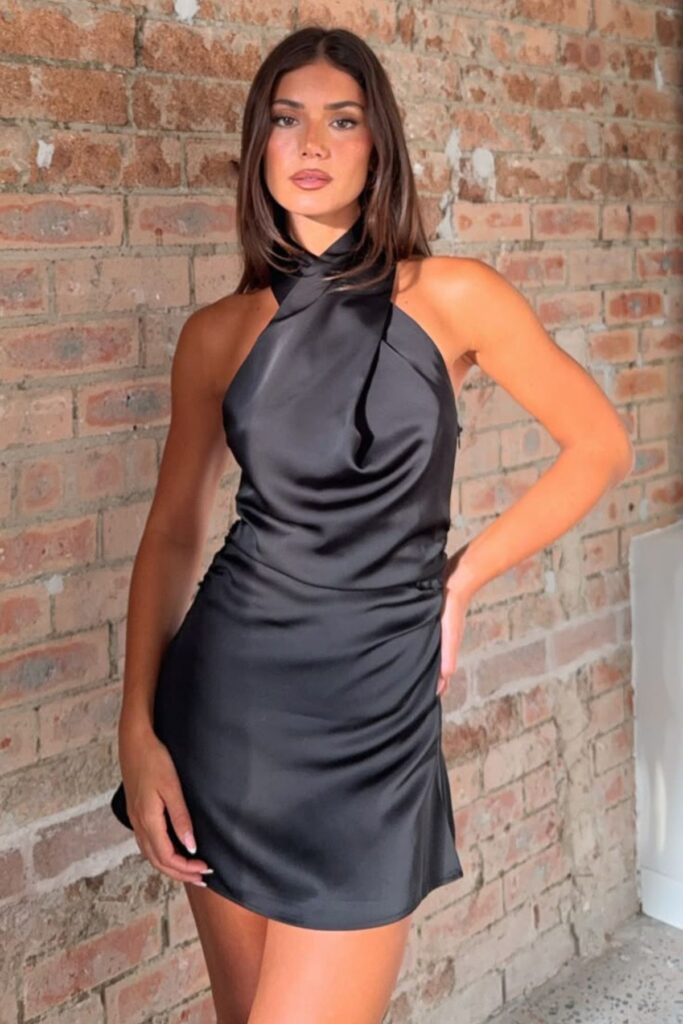
The clothes you see on the outside are only part of the equation because your foundation pieces can affect the entire shape of an outfit.
A bra that does not fit properly can change where your bust sits, which can alter the appearance of your torso and waist.
Similarly, bulky underwear lines or poorly fitted shapewear can create unnecessary bumps beneath clothing.
For petite women, these details can become especially noticeable because small proportion changes can have a big visual impact.
A properly fitted bra can help your tops and dresses sit closer to their intended shape. Smooth underwear can also help lightweight fabrics fall more naturally over your body.
This does not mean you need restrictive shapewear or uncomfortable undergarments. Comfort should still come first.
Instead, focus on pieces that fit your body and work well with the clothing you actually wear.
25. Buying Every Trend Without Considering Your Proportions
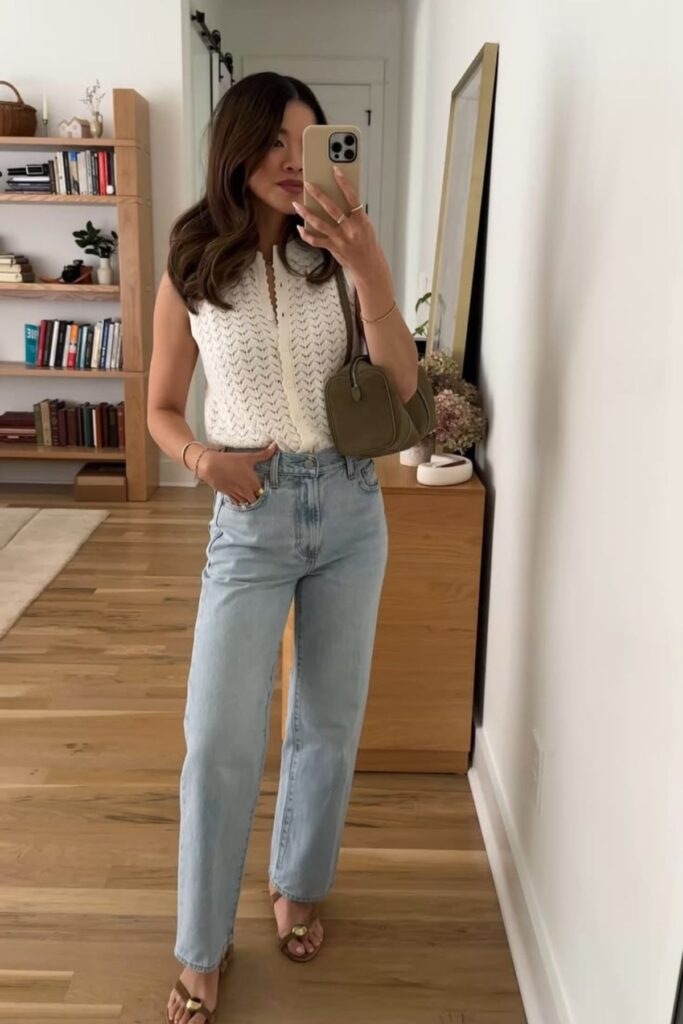
Following every fashion trend can be tempting, especially when social media makes a new style appear every five minutes.
However, a trend that looks fantastic on a tall model may have a very different effect on a petite frame.
That does not mean petite women should avoid fashionable clothing. It simply means you should consider how each trend interacts with your proportions before buying it.
For example, you can wear oversized jeans, long coats, chunky sneakers, and dramatic sleeves. The key is styling them with pieces that create balance.
Try adapting trends instead of copying an entire outfit exactly.
A cropped version of a popular jacket may work better than an extremely long one, while a slightly shorter wide-leg pant may create a cleaner silhouette.
Your height does not limit your personal style, and there is no universal petite wardrobe that everyone needs to follow.

3 Comments