You’re Probably Buying The Wrong Clothing Size
Have you ever bought your usual size, tried it on at home, and wondered why it suddenly feels completely wrong? The problem may be your wrong clothing size rather than your body, because clothing numbers vary dramatically between brands.
A size that fits beautifully at one store can feel tight, loose, short, or strangely shaped somewhere else. Once you stop treating the label as a rule and start paying attention to fit, shopping becomes much easier.
Related Post: The Secret to Better Outfit Proportions
You’re Probably Buying The Wrong Clothing Size
You Trust The Number On The Tag Too Much
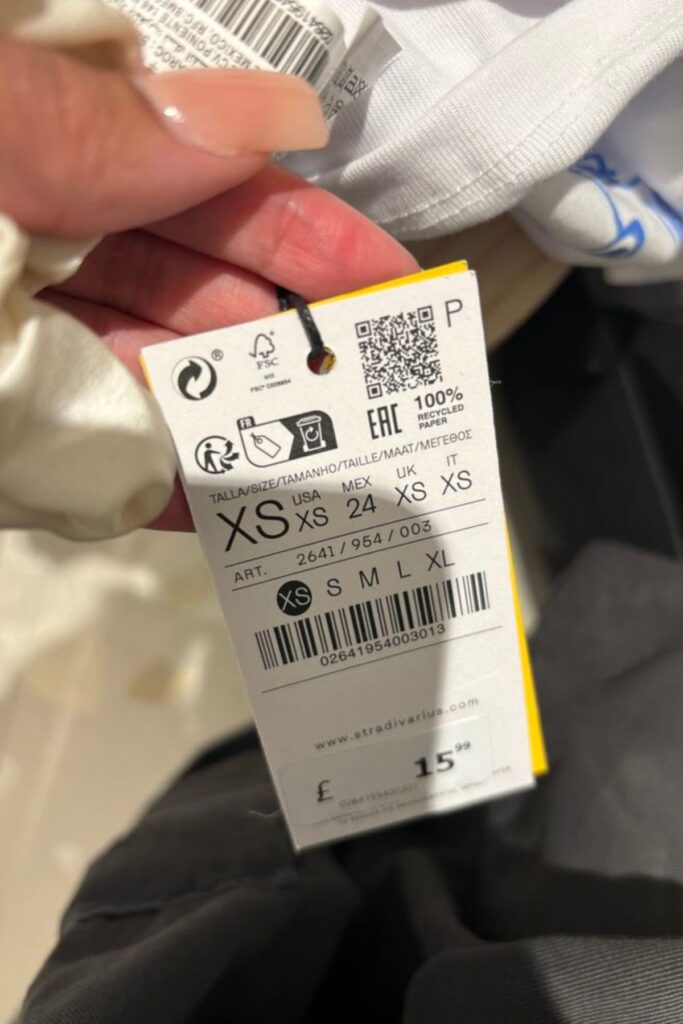
One major sign of a wrong clothing size is relying on the number instead of checking how the garment actually fits.
Many shoppers walk into a store, grab their usual size, and head straight toward the fitting room.
That habit seems convenient until a brand changes its measurements and your favorite size suddenly feels completely different.
Clothing sizes can vary considerably between brands, styles, and fabrics. Stitch Fix recommends focusing on how clothing fits rather than becoming attached to the number printed on the tag.
That advice can save you plenty of frustration because your body has not changed simply because another store uses different measurements.
Try two or three sizes whenever you have access to a fitting room. Start with your usual size, then try one size smaller and one larger.
Pay attention to comfort, movement, and how the garment sits across your body.
If the larger size fits better, wear it proudly. The label does not get a vote in how good you look.
Recommended Post: 25 Fashion Mistakes That Make Petite Women Look Shorter
You Rarely Check The Size Chart
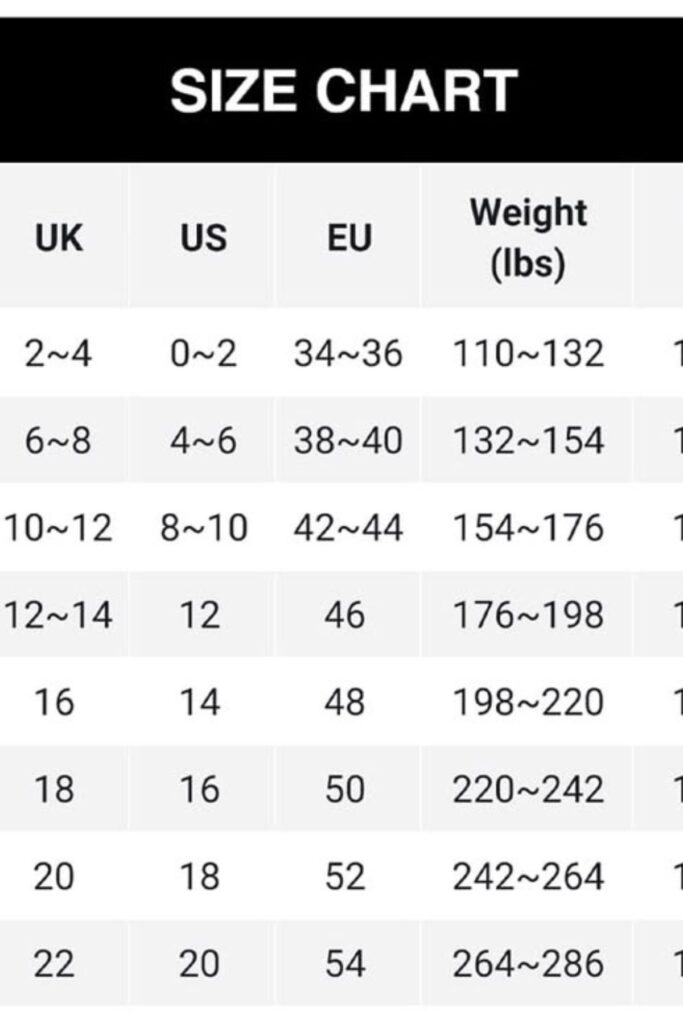
Online shopping makes it incredibly easy to choose a size within seconds, but that convenience can lead straight to the wrong clothing size.
Instead of checking the measurements, many shoppers simply select the size they usually wear. Unfortunately, your usual size may mean something completely different from one retailer to another.
A size chart gives you more useful information because it shows the actual measurements behind the label.
Grab a soft measuring tape and record your bust, waist, and hip measurements. Keep those numbers somewhere convenient on your phone, so you can check them while shopping.
Then compare your measurements with the retailer’s chart before adding something to your cart.
Pay attention to garment measurements when they are available, especially for dresses, jackets, jeans, and fitted tops.
That extra minute can save you from ordering something that looks beautiful online but fits like it belongs to somebody else.
Read Also: The Ultimate Petite Shopping Guide
You Assume Every Brand Fits The Same

If your jeans fit perfectly at one store, it is tempting to assume another brand’s jeans will fit exactly the same.
Unfortunately, clothing does not follow such a tidy little system.
Brands use different measurements, cuts, fabrics, and construction methods, so the same labeled size can feel completely different.
One company’s medium might feel roomy, while another company’s medium might feel closer to a small.
This variation is one reason why you may keep buying the wrong clothing size without realizing it.
Instead of memorizing one size and ordering it everywhere, learn which brands tend to work best for your measurements.
Once you find a brand that fits your body well, take note of the specific styles that work.
You can then use those pieces as references when trying something new.
Pay attention to customer reviews as well, especially comments about whether an item runs large, small, narrow, or short.
Those comments can provide useful clues before you spend money. Your closet will become easier to shop when you stop treating every size label as interchangeable.
Also Read: The Best Necklines for Petite Women
You Size Down Because You Want A Smaller Label

Buying a smaller size can feel satisfying for a moment, but it can quickly become frustrating when the clothing pulls, pinches, or restricts movement.
A smaller label does not automatically make you look slimmer, and an oversized garment does not automatically make you look larger.
Fit matters much more than the number inside the garment.
If a blouse pulls across your chest, the buttons strain when you sit, or the shoulder seams sit too high, you may need a larger size.
The same applies to jeans that dig into your waist or trousers that pull across your hips.
Instead of asking whether you can squeeze into the smaller size, ask whether you can move comfortably and naturally.
A well-fitting garment should allow you to sit, walk, reach, and breathe without constant adjustments.
Give yourself permission to choose the larger size when it fits better.
Nobody walking past you knows what size you are wearing, and honestly, they probably have no idea what size they are wearing either.
Find Out: Where to Buy Trendy Petite Clothing
You Size Up Too Quickly Because Something Feels Tight
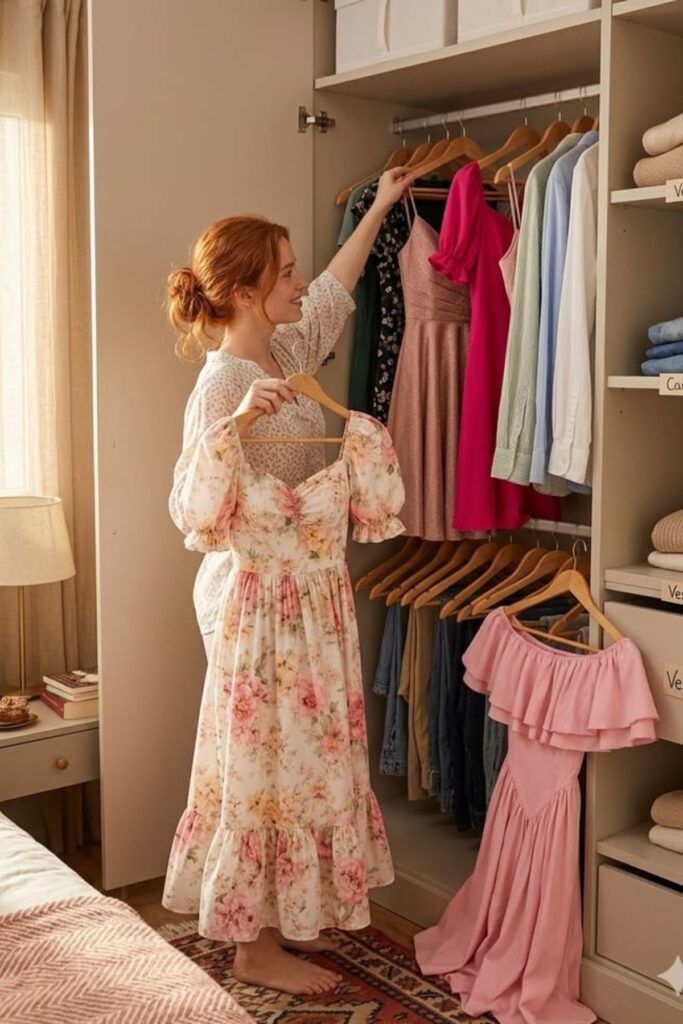
The opposite problem can also lead to the wrong clothing size.
Sometimes a garment feels tight because the cut is wrong rather than because you need a larger size.
A blazer may feel restrictive across your shoulders, while the waist fits perfectly. Sizing up might solve the shoulder issue, but then the entire jacket could become too loose elsewhere.
This is where understanding garment shape becomes useful. Look at where the tightness occurs before choosing another size.
If the problem is limited to one area, try a different cut or style instead of automatically moving up.
For example, someone with broader shoulders may need a jacket with more room through the upper body.
Someone with fuller hips may find that a different trouser cut works better without changing the waist size.
Stretch fabrics can also provide extra comfort when the garment is close to fitting.
The goal is finding clothing that works with your proportions instead of forcing every body into the same shape.
If you repeatedly experience the same fitting problem, the answer may be a different cut rather than a different size.
That small distinction can completely change your shopping experience.
You Ignore How The Fabric Behaves
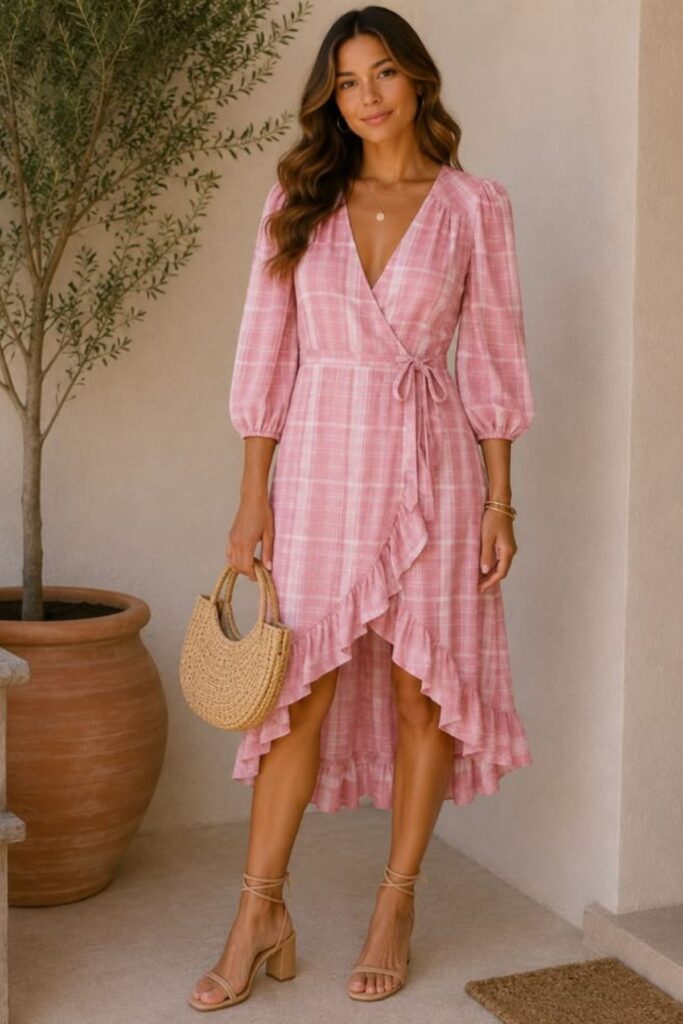
Fabric can change the way clothing fits, even when the measurements appear correct.
A stretchy knit may comfortably fit a range of body shapes, while stiff denim can feel restrictive around the hips or waist.
This is another reason why buying the wrong clothing size can happen even after checking measurements.
Pay attention to the fabric composition before choosing your size. Materials with stretch can offer more flexibility, while structured fabrics usually need a more precise fit.
A pair of jeans with a little elastane may feel comfortable in your regular size. Rigid denim might require a different size or cut.
The same idea applies to dresses, blouses, sweaters, and jackets.
Fabric weight matters as well because heavier materials can hang differently from lightweight ones.
When shopping online, read the product description carefully and look for information about stretch, thickness, and fabric content.
Customer reviews can also reveal how the material behaves after wearing.
Instead of asking only whether the measurements match your body, consider how the fabric will move with you.
The right size should work with both your measurements and the material.
Discover: Luxury Petite Fashion Brands You’ll Love
Your Jeans Fit Your Waist But Not Your Hips
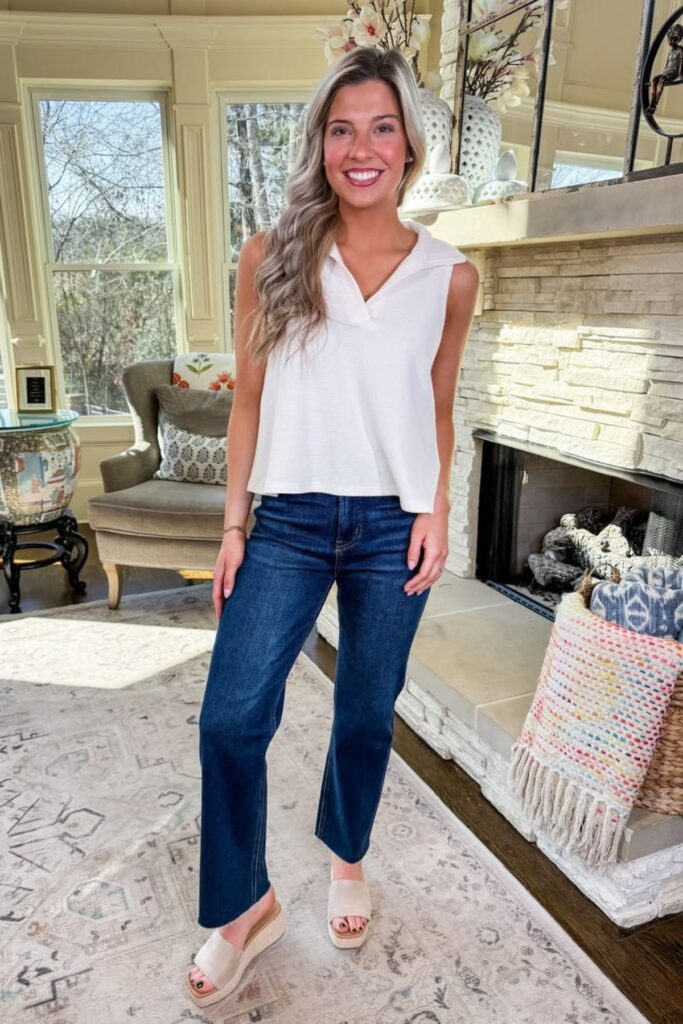
Finding jeans that fit perfectly everywhere can feel like winning a tiny fashion lottery.
If your jeans fit comfortably around your waist but pull across your hips, you may be choosing the wrong clothing size or the wrong cut.
Some denim styles are narrower through the hips, while others provide more room through the seat and thighs.
Sizing up may solve the hip problem, but then the waistband could become too loose. That is when a different jean shape can be more helpful than simply changing sizes.
Look for styles with more room through the hips and thighs if those areas need additional space.
Curvy cuts can also provide a different waist-to-hip ratio, which may reduce the gap at the waistband.
Stretch denim can offer extra flexibility, although rigid denim can provide a more structured appearance.
Pay attention to how the jeans feel when you sit down, bend, and walk.
If the waistband digs into your stomach or the pockets pull open, the fit probably needs another look.
A good pair of jeans should stay comfortable throughout your day rather than requiring constant tugging and adjusting.
Your Shoulders Tell You A Lot About Jacket Fit
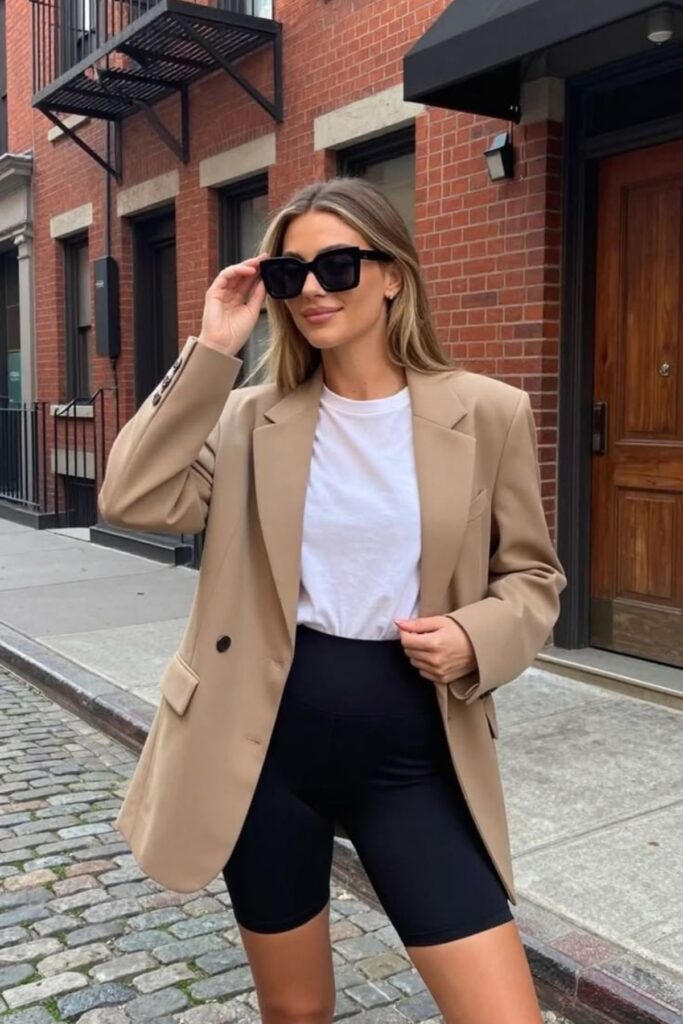
Jackets can reveal a wrong clothing size faster than almost any other garment.
If the shoulder seams sit far beyond your natural shoulders, the jacket may be too large.
If the seams pull inward or restrict your arms, the garment may be too small.
The shoulders are particularly important because alterations can be more complicated in this area.
A jacket should sit smoothly across your upper back without creating excessive pulling or bunching.
Try moving your arms forward, reaching upward, and crossing them comfortably before deciding whether the size works.
The sleeves should also finish around the appropriate point for the style. If everything fits except the sleeves, a simple alteration may solve the problem.
However, if the shoulders, chest, and back all feel restrictive, going up a size may be the better choice.
You should also consider the intended shape of the jacket. An oversized blazer will naturally have more room, while a fitted blazer should sit closer to your body.
Knowing the difference can prevent you from mistaking a relaxed design for a bad fit.
Your Dresses Pull In Places They Should Not
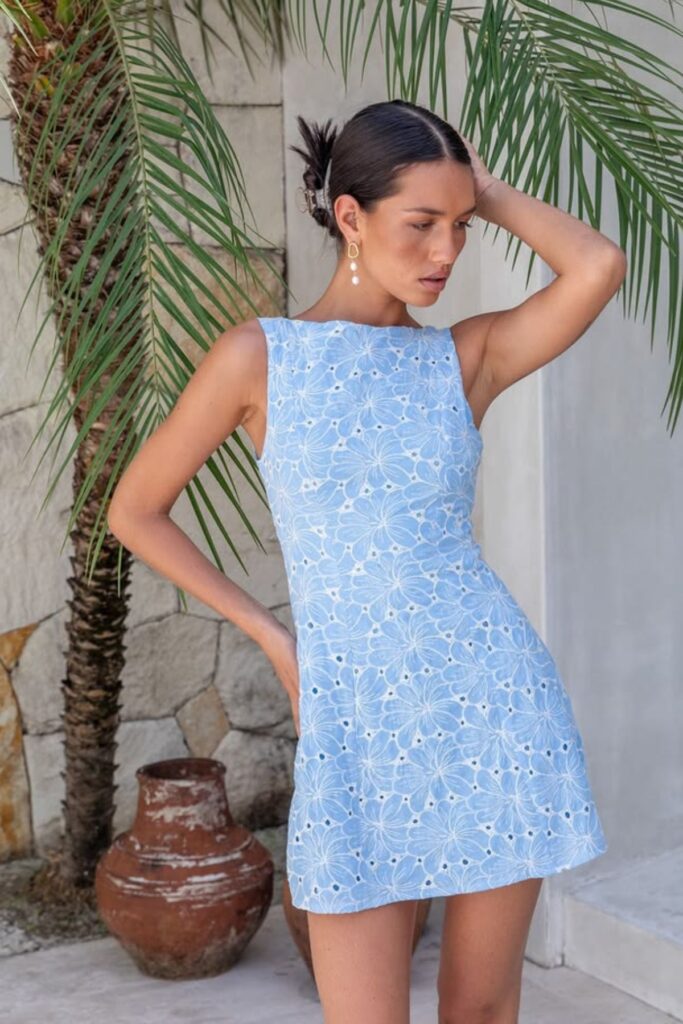
A dress can reveal sizing problems because one garment needs to work across several parts of your body.
If the fabric pulls across your chest, waist, hips, or back, the dress may be too small.
Horizontal wrinkles around the bust or hips can provide useful clues because they often indicate tension in the fabric.
On the other hand, excessive fabric around the waist or shoulders may suggest that the dress is too large.
Pay attention to where the seams sit because they should generally follow the intended structure of the garment.
A waist seam that sits several inches above or below your natural waist can change the entire shape.
The wrong clothing size can also affect how comfortable you feel throughout the day.
Try sitting down, walking, and raising your arms before deciding that a dress fits well.
If the garment looks beautiful while standing but becomes uncomfortable after five minutes of movement, it probably needs another size or cut.
Wrap dresses and styles with adjustable details can offer more flexibility.
Still, even adjustable clothing needs to sit correctly across the main areas of your body.
You Keep Ignoring The Fit Of Your Sleeves
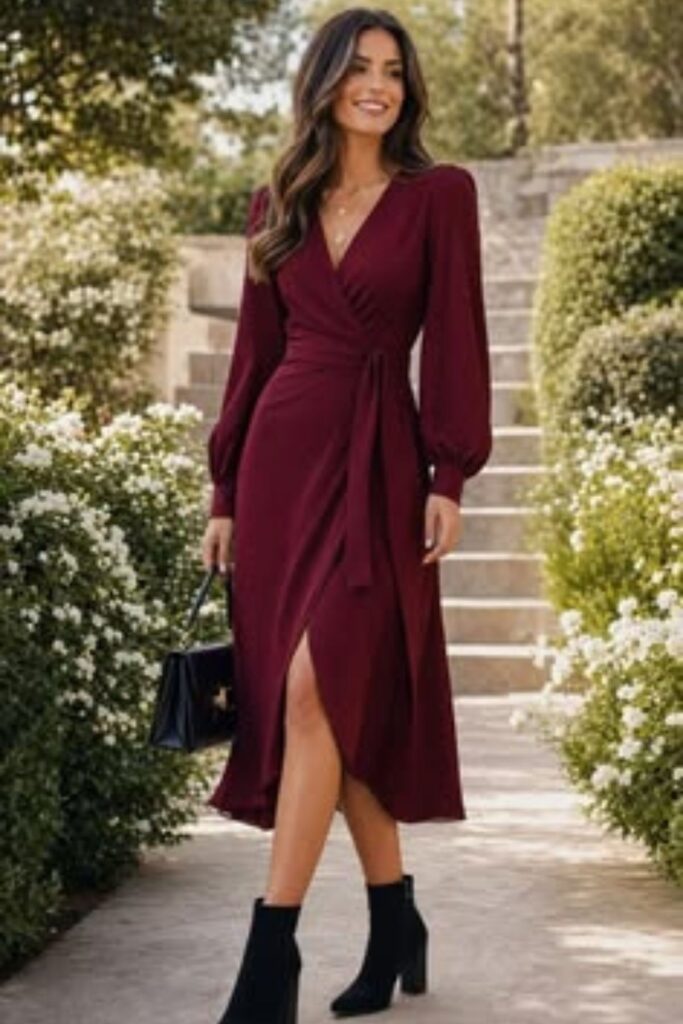
Sleeve length is easy to overlook, especially when the rest of a shirt or sweater appears to fit.
However, sleeves that extend too far can make an outfit look oversized, while sleeves that stop too high can make the garment feel strangely proportioned.
This becomes especially important with blazers, button-down shirts, sweaters, and coats.
Check where the sleeve ends when your arms rest naturally at your sides.
For long sleeves, the cuff should generally sit around the wrist unless the garment has a deliberately oversized design.
Also examine the sleeve width. A sleeve that is extremely loose can create unnecessary volume, while one that hugs your arm too tightly may restrict movement.
If your shoulders and body fit well but the sleeves are slightly long, an alteration could solve the problem.
You do not necessarily need a completely different size.
This is an important distinction because many shoppers replace an otherwise excellent garment simply because one measurement is off.
Learning which fit problems can be fixed easily can save money and reduce unnecessary returns. Your perfect size may sometimes need a small adjustment rather than a complete replacement.
Check Out: The Best Petite Clothing on Amazon
You Buy Clothes Based On Your Old Measurements

Bodies can change over time, even when your clothing size has stayed familiar for years.
Weight changes, muscle development, pregnancy, aging, and changes in body composition can all affect how clothing fits.
Yet many people continue buying the same size because that is what they have always worn.
This can quietly lead to a wrong clothing size without you realizing it.
You do not need to measure yourself every week, but checking your measurements periodically can help.
Take your bust, waist, and hip measurements and compare them with current size charts. You may discover that your preferred size has changed in some categories but not others.
For example, you might still wear the same shirt size while needing a different jeans size. That is completely normal because clothing proportions vary between garments.
Your body is not a fixed shape, and your wardrobe does not need to pretend otherwise.
Instead of forcing yourself into older sizes, focus on how your current clothes fit. If your favorite jeans suddenly feel uncomfortable, that does not mean something is wrong with you.
It may simply mean your body changed and your wardrobe needs to catch up.
Discover: Why That Trend Doesn’t Work For Every Petite Woman
You Mistake Oversized Clothing For A Larger Size
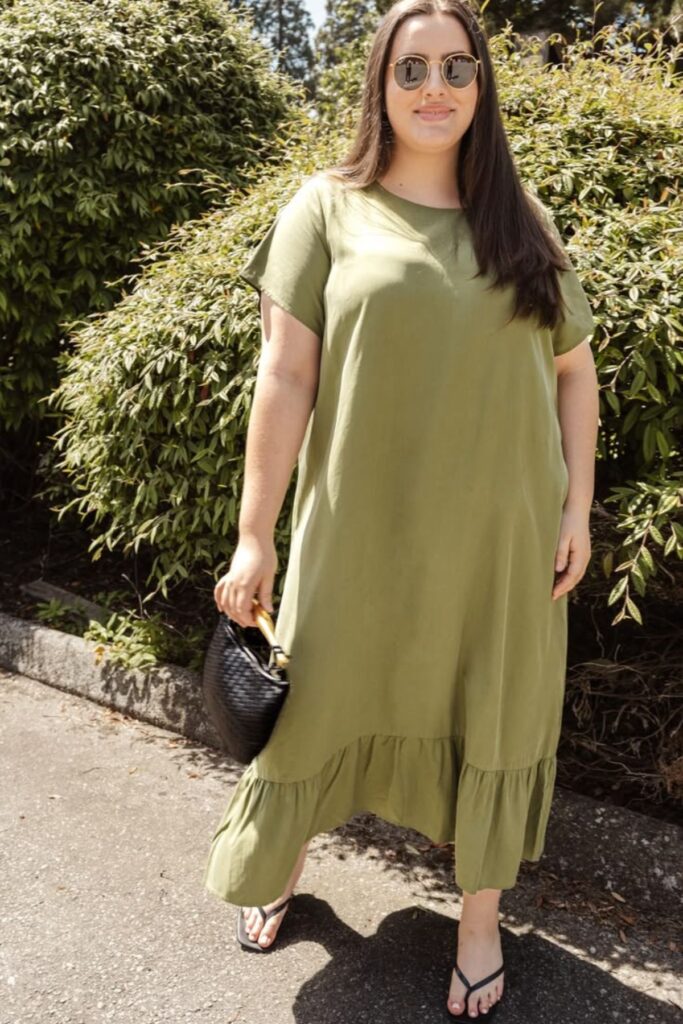
Oversized clothing is intentionally cut with extra room, so it should not fit like a standard garment.
This distinction matters because an oversized sweater in your normal size may already have substantial extra fabric.
Buying another size larger can turn a relaxed look into a shapeless one.
Before sizing up, check whether the garment is already labeled oversized, relaxed, loose, or boyfriend fit.
Those descriptions tell you something about the intended shape.
If you want a relaxed appearance, your usual size may already provide enough room. You can also compare the garment measurements with a similar item you already own.
Lay your favorite sweater flat and measure its width and length, then compare those numbers with the new item.
This can give you a much clearer idea of how oversized the piece will actually feel. The same approach works with blazers, shirts, jeans, and coats.
Sometimes you are not buying the wrong clothing size at all.
You are simply buying a deliberately oversized garment in a size that is already larger than you expected.
Understanding the intended fit can save you from unnecessary returns and a closet full of clothes that feel far too big.
See Also: Luxury Petite Brands Worth The Investment
You Keep Buying The Same Size In Every Category
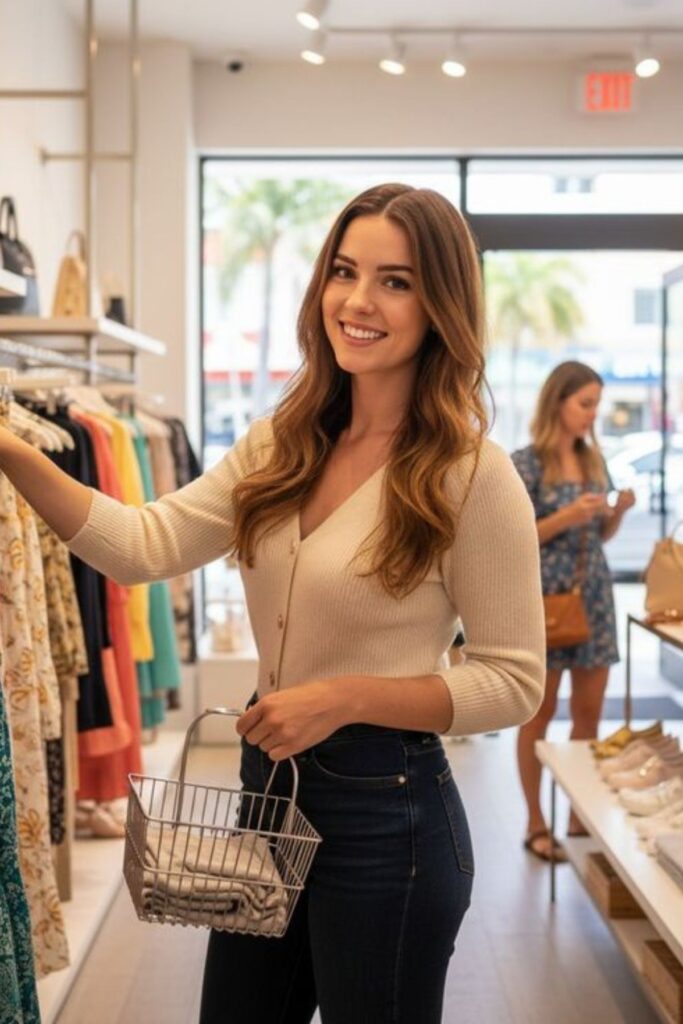
Your clothing size does not have to remain identical across shirts, pants, dresses, jackets, and outerwear.
Different garments interact with different parts of your body, so expecting one size to work everywhere can create unnecessary frustration.
You may need a larger size in a fitted blouse because of your bust, while your usual size works perfectly for skirts.
A jacket may require another size because of your shoulders, while your jeans need a different size because of your hips.
That does not mean your body is difficult to dress. It means clothing has different construction and proportions.
The wrong clothing size often appears when shoppers treat their size as a permanent identity instead of useful information.
Think of your size as a starting point rather than a rule. Check the garment measurements, examine the fabric, and consider the cut before deciding.
Once you stop expecting every category to match, shopping can become much less frustrating. You might even discover that different sizes give you better results in different pieces.
Your wardrobe does not need matching labels to look beautifully coordinated.



One Comment